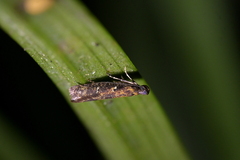
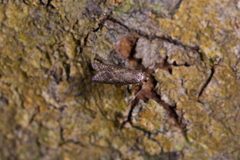
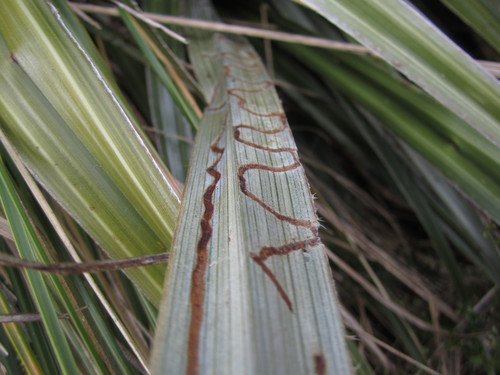
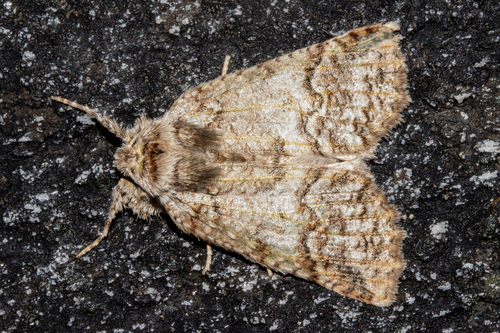
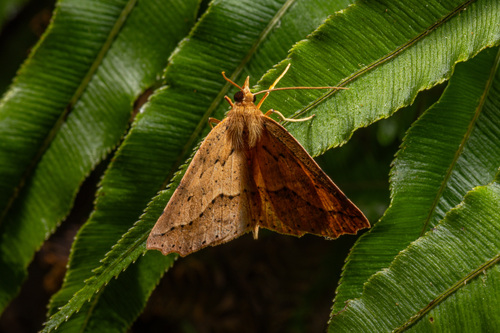
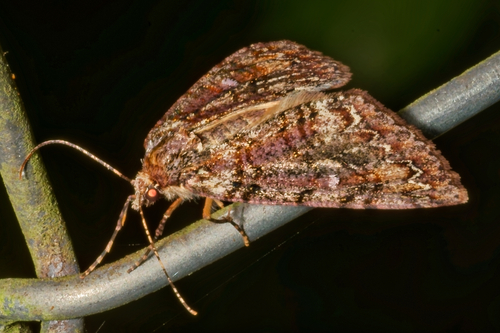
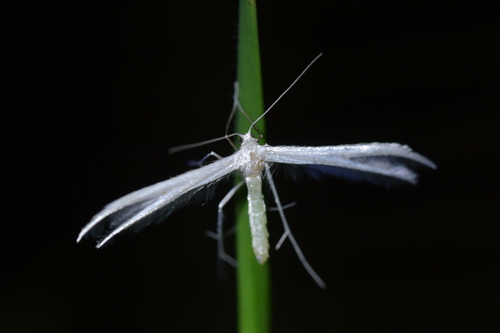
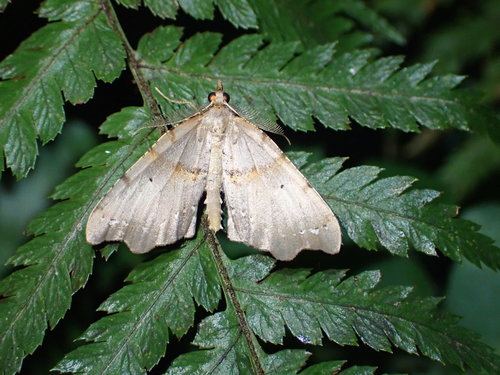
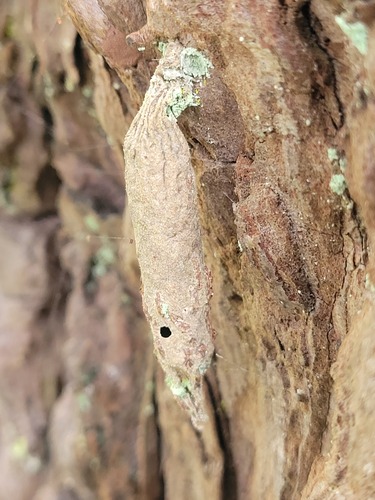
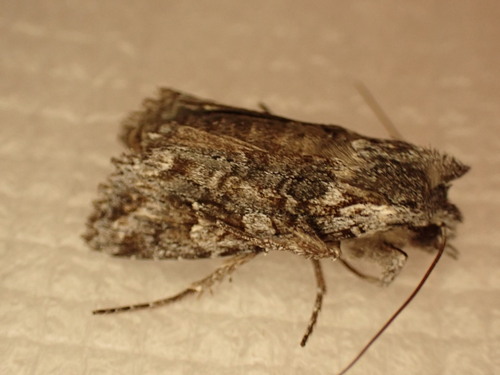
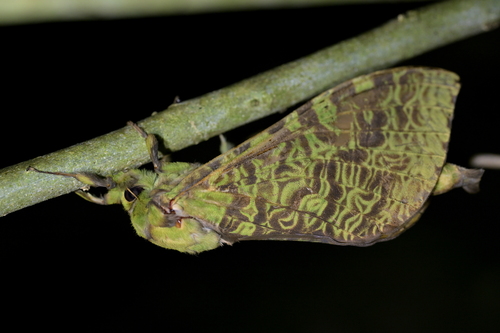
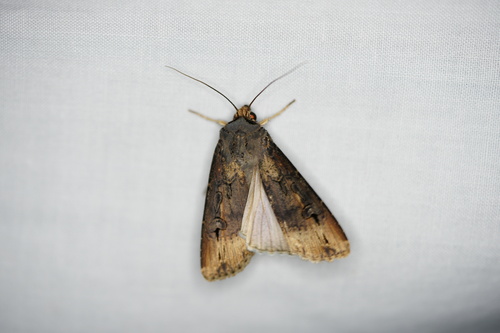
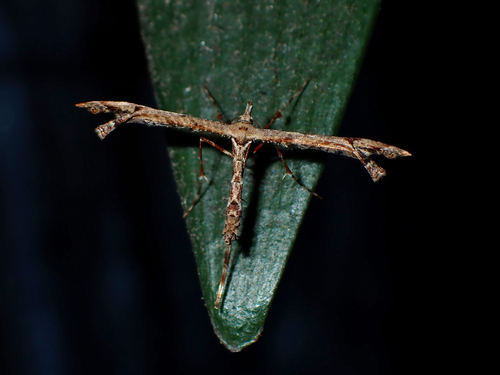
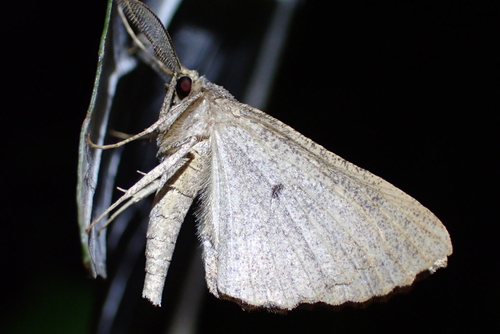
Cadmogenes literata

Cadmogenes literata

Cadmogenes literata

Endemic
Daily sighting probability ~10% · With luck
at Egmont National Park

In 3 days ~30% in a week ~50%

11 Verified sightings at Egmont National Park From 2019 to 2026
11 In 1 park
October Best month
🌙 Nocturnal When it's spotted

About the Cadmogenes literata

Cadmogenes is a genus of moths of the family Plutellidae. It contains only one species, Cadmogenes literata, which is found in New Zealand. This species is endemic to New Zealand. It has been classified as "Not Threatened" by the Department of Conservation.

The genus Cadmogenes was described in the family Plutellidae, but is considered an enigmatic unplaced genus (along with the genus Titanomis) and may require its own family. Cadmogenes literata was first described by Edward Meyrick in 1923 using specimens collected at Silverstream and Auckland in January. George Hudson described and illustrated this species in his 1928 book The Butterflies and Moths of New Zealand. The lectotype specimen was collected at Kauri Gully, Birkenhead, Auckland by George Hudson and is held at the Natural History Museum, London.

Meyrick described the species as follows: ♂︎. 15-17 mm. Head and thorax dull rosy or purple-fuscous. Palpi rosy irrorated with dark fuscous, tip whitish. Abdomen light-greyish. Forewings elongate, costa gently arched, apex obtuse-pointed, very slightly prominent, termen rounded, rather strongly oblique; dull crimson suffusedly speckled with dark... Wikipedia →
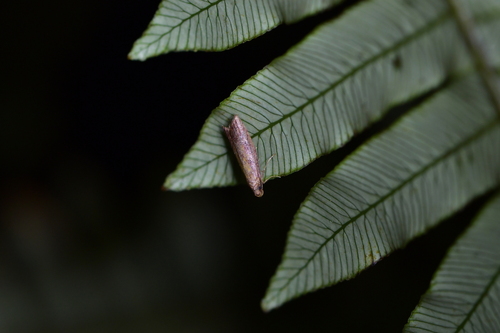
Global Distribution

Parks Where Found

# Park Country Daily sighting probability
1 Egmont National Park 🇳🇿 New Zealand
~10%

More parks will be added in future updates.

Before you go

What are the chances of seeing a Cadmogenes literata in Egmont National Park?

With luck

About 10% of wildlife watchers report a Cadmogenes literata sighting in Egmont National Park on a given day, based on 11 verified sightings from GBIF citizen-science data from 2019 to 2026. It is the 99th most-seen of the 191 insects we can rate there. Over three days the chance rises to about 30%, and over a week to about 50%, if each day is a fresh chance.

When is the best time to see a Cadmogenes literata in Egmont National Park?

October

In that month about 40% of wildlife watchers report a Cadmogenes literata in Egmont National Park on a given day, against under 5% in November to July, the lowest months.

What time of day is best to see a Cadmogenes literata?

Between 7 and 10 pm

Across all the parks we cover, that three-hour window holds the most Cadmogenes literata sightings with a recorded time, and nearly all of them come between 6 pm and 6 am: it is mostly seen at night.

Where else can you see a Cadmogenes literata?

Only Egmont National Park, in our data

Egmont National Park is the only park on Wallace's Line with enough records to rate Cadmogenes literata sightings: about 10% of wildlife watchers there report one on a given day.

Where does the Cadmogenes literata sighting chance come from?

GBIF citizen-science records

It is estimated from how often the Cadmogenes literata is recorded against all the insects logged in Egmont National Park (11 verified sightings from 2019 to 2026), calibrated against known sighting rates. Figures are rounded to the nearest 10% because citizen-science data supports honest approximations, not decimals, and months with records from fewer than five people show "—". How it works.

← Back to Egmont National Park