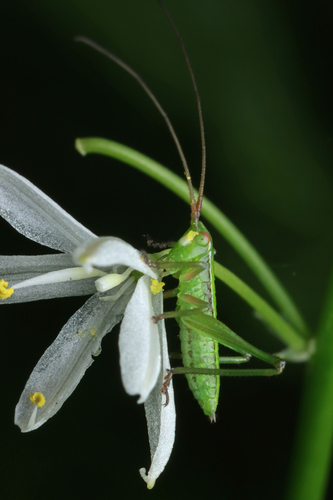
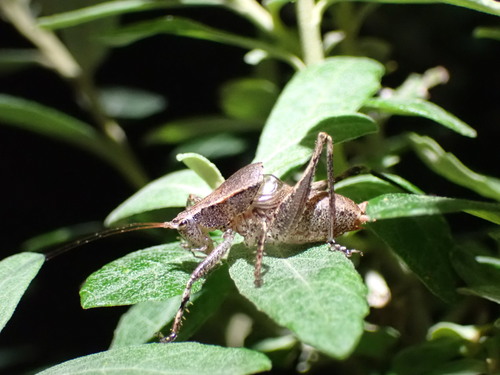
Australian Black Field Cricket

Australian Black Field Cricket

Teleogryllus commodus

Silhouette: Thomas Hegna · PhyloPic

Daily sighting probability ~10% · With luck
at Great Otway National Park

In 3 days ~20% in a week ~30%

9 Verified sightings at Great Otway National Park From 2019 to 2026
26 In all 4 parks
March Best month
☀️🌙 Day & Night When it's spotted

About the Australian Black Field Cricket

Teleogryllus commodus, commonly known as the black field cricket, is a cricket species native to Australia. They are significant pests to most plants in Australia and New Zealand. T. commodus belongs to the order Orthoptera, the family Gryllidae which are characterized by wings that are folded on the side of the body, chewing mouthparts and long, thin antennae. T. commodus has the ability to learn via the recognition of rewards. They are also capable of odour recognition and thus can be taught via odour pairing.

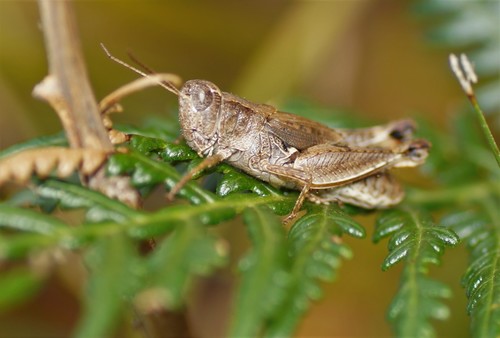
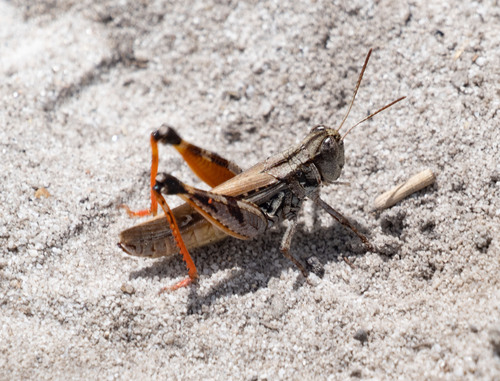
T. commodus can grow up to 30 mm long, with long antennas and legs adapted for jumping. Their coloration is usually black or brown. Nymphs can be recognized by a white stripe on the abdomen. Adult females are characterized by ovipositors which are long structures used for laying eggs. In contrast, males have modified veins in forewings with hard pegs that play a role in song production. Another fact about black field crickets is that their tegmina (leathery forewing) is asymmetrical.

T. commodus undergo hemimetabolous (the lack of pupal stage from larva to adult) development with 3 main stages: egg, nymph (multiple stages~8), and adulthood Females age faster... Wikipedia →

Global Distribution

Parks Where Found

# Park Country Daily sighting probability
1 Abel Tasman National Park 🇳🇿 New Zealand
~10%
2 Egmont National Park 🇳🇿 New Zealand
~10%
3 Great Otway National Park 🇦🇺 Australia
~10%
4 Blue Mountains National Park 🇦🇺 Australia
<5%

Cities Where Found

# City Country Daily sighting probability
1 Auckland 🇳🇿 New Zealand
~10%
2 Melbourne 🇦🇺 Australia
~10%
3 Sydney 🇦🇺 Australia
<5%
4 Brisbane 🇦🇺 Australia
<5%

Before you go

What are the chances of seeing an Australian Black Field Cricket in Great Otway National Park?

With luck

About 10% of wildlife watchers report an Australian Black Field Cricket sighting in Great Otway National Park on a given day, based on 9 verified sightings from GBIF citizen-science data from 2019 to 2026. It is the 253rd most-seen of the 418 insects we can rate there. Over three days the chance rises to about 20%, and over a week to about 30%, if each day is a fresh chance.

When is the best time to see an Australian Black Field Cricket in Great Otway National Park?

February and March

In those months about 10% of wildlife watchers report an Australian Black Field Cricket in Great Otway National Park on a given day, against under 5% in April to January, the lowest months.

What time of day is best to see an Australian Black Field Cricket?

Between 9 am and noon

Across all the parks we cover, that three-hour window holds the most Australian Black Field Cricket sightings with a recorded time, and about 7 in 10 of them come between 6 am and 6 pm: it is seen both by day and at night.

Is Great Otway National Park the best place to see an Australian Black Field Cricket?

Among the best

Of the 4 parks where we can rate Australian Black Field Cricket sightings, Great Otway National Park ranks 3rd at about 10%, level with the leaders once rounded. The best odds are in Abel Tasman National Park (New Zealand, about 10%) and Egmont National Park (New Zealand, about 10%).

Which relatives of the Australian Black Field Cricket live in Great Otway National Park?

Same order: Orthoptera

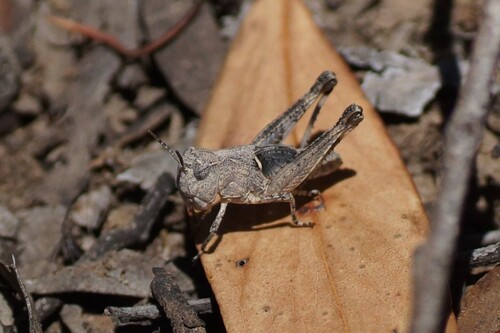
The closest relatives of the Australian Black Field Cricket that you can see in Great Otway National Park (order Orthoptera, Grasshoppers, Crickets, and Katydids) are Wingless Grasshopper (about 10%), Bark-Mimicking Grasshopper (about 10%) and Giant Green Slantface (about 10%), with each one's daily chance of a sighting.

Where does the Australian Black Field Cricket sighting chance come from?

GBIF citizen-science records

It is estimated from how often the Australian Black Field Cricket is recorded against all the insects logged in Great Otway National Park (9 verified sightings from 2019 to 2026), calibrated against known sighting rates. Figures are rounded to the nearest 10% because citizen-science data supports honest approximations, not decimals, and months with records from fewer than five people show "—". How it works.

← Back to Great Otway National Park