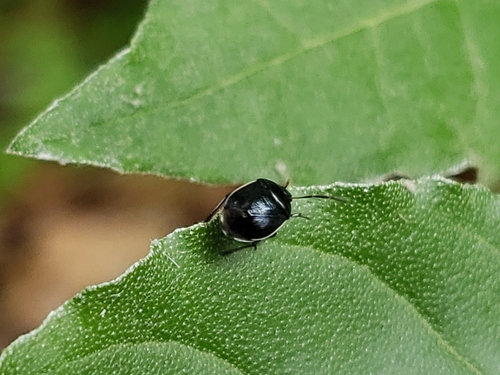
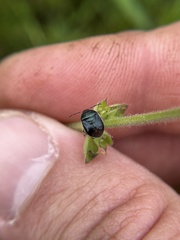
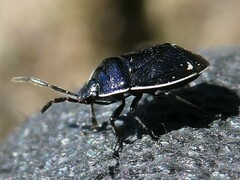
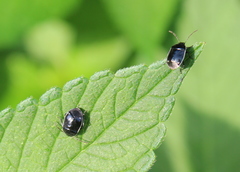
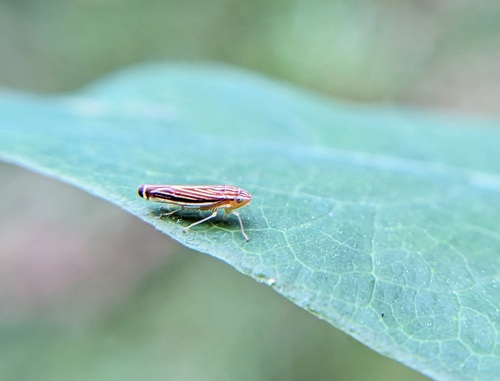
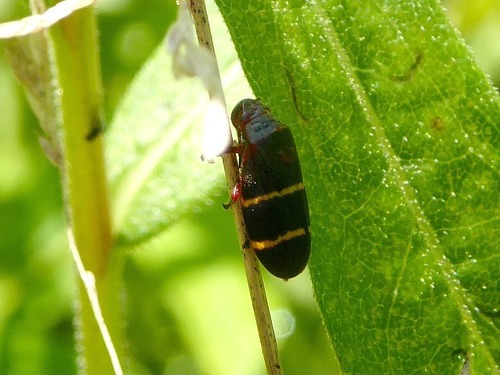
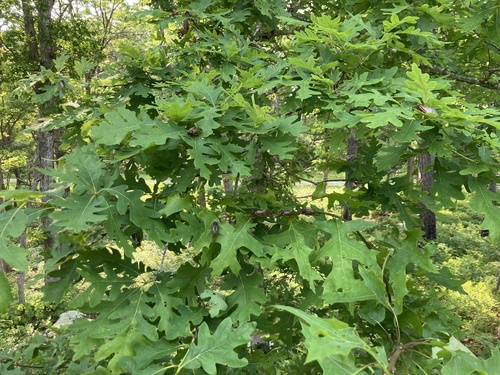
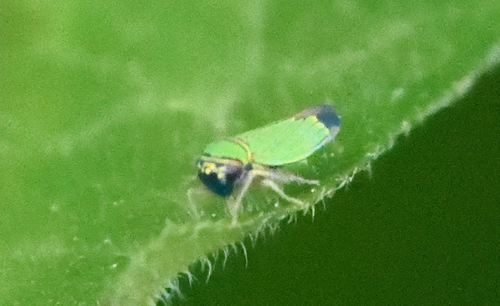
White-Margined Burrowing Bug

White-Margined Burrowing Bug

Sehirus cinctus

Daily sighting probability ~10% · With luck
at Great Smoky Mountains National Park

In 3 days ~20% in a week ~30%

15 Verified sightings at Great Smoky Mountains National Park From 2019 to 2026
20 In all 2 parks
July Best month
☀️ Diurnal When it's spotted

About the White-Margined Burrowing Bug

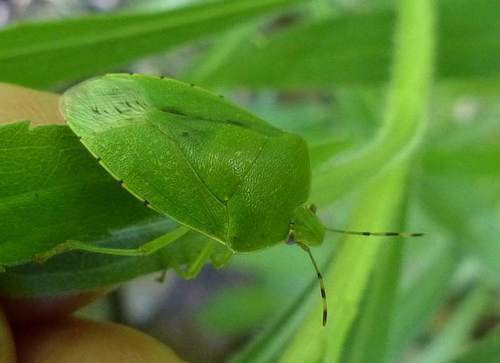
Sehirus cinctus, also known as the white-margined burrower bug, is within the genus of burrowing bugs belonging to the family Cydnidae, subfamily Sehirinae. Belonging to the suborder Heteroptera, they are true bugs. They feed on plants in the Urticaceae (nettle) and Lamiaceae (mint) families. These bugs are somewhat unusual in that they exhibit brooding behavior. The female deposits eggs, about 120–150, in shallow burrows and watches over them. After the young hatch, the mother will bring food to them in the burrow for 1–3 days, after which the young will leave and forage on their own. Females can have up to two broods, and parental care is initiated from chemical cues in the eggs. Wikipedia →

Global Distribution

Parks Where Found

# Park Country Daily sighting probability
1 Great Smoky Mountains National Park 🇺🇸 United States
~10%
2 Shenandoah National Park 🇺🇸 United States
<5%

Cities Where Found

# City Country Daily sighting probability
1 Dallas 🇺🇸 United States
~10%
2 Baltimore 🇺🇸 United States
~10%
3 Austin 🇺🇸 United States
~10%
4 Washington 🇺🇸 United States
~10%
5 Minneapolis [Saint Paul] 🇺🇸 United States
<5%
6 Edmonton 🇨🇦 Canada
<5%
7 San Antonio 🇺🇸 United States
<5%
8 Philadelphia 🇺🇸 United States
<5%
9 Montreal 🇨🇦 Canada
<5%
10 New York City 🇺🇸 United States
<5%

Before you go

What are the chances of seeing a White-Margined Burrowing Bug in Great Smoky Mountains National Park?

With luck

About 10% of wildlife watchers report a White-Margined Burrowing Bug sighting in Great Smoky Mountains National Park on a given day, based on 15 verified sightings from GBIF citizen-science data from 2019 to 2026. It is the 334th most-seen of the 822 insects we can rate there. Over three days the chance rises to about 20%, and over a week to about 30%, if each day is a fresh chance.

When is the best time to see a White-Margined Burrowing Bug in Great Smoky Mountains National Park?

March and June–August

In those months about 10% of wildlife watchers report a White-Margined Burrowing Bug in Great Smoky Mountains National Park on a given day, against under 5% in April–May and September–February, the lowest months.

What time of day is best to see a White-Margined Burrowing Bug?

Between noon and 3 pm

Across all the parks we cover, that three-hour window holds the most White-Margined Burrowing Bug sightings with a recorded time, and nearly all of them come between 6 am and 6 pm: it is a daytime animal.

Is Great Smoky Mountains National Park the best place to see a White-Margined Burrowing Bug?

Yes

Of the 2 parks where we can rate White-Margined Burrowing Bug sightings, Great Smoky Mountains National Park has the highest daily chance: about 10%. Next come Shenandoah National Park (United States, under 5%).

Which relatives of the White-Margined Burrowing Bug live in Great Smoky Mountains National Park?

Same order: Hemiptera

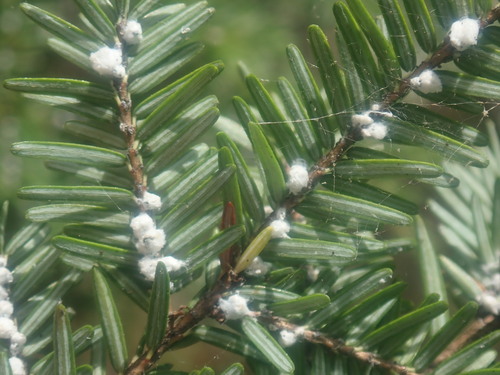
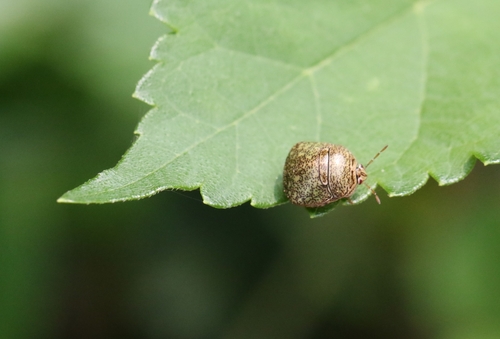
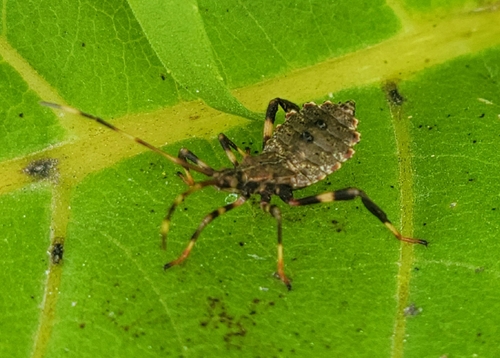
The closest relatives of the White-Margined Burrowing Bug that you can see in Great Smoky Mountains National Park (order Hemiptera, True Bugs, Hoppers, Aphids, and allies) are Hemlock Woolly Adelgid (about 20%), Kudzu Bug (about 20%) and Acanthocephala terminalis (about 20%), with each one's daily chance of a sighting.

Where does the White-Margined Burrowing Bug sighting chance come from?

GBIF citizen-science records

It is estimated from how often the White-Margined Burrowing Bug is recorded against all the insects logged in Great Smoky Mountains National Park (15 verified sightings from 2019 to 2026), calibrated against known sighting rates. Figures are rounded to the nearest 10% because citizen-science data supports honest approximations, not decimals, and months with records from fewer than five people show "—". How it works.

← Back to Great Smoky Mountains National Park