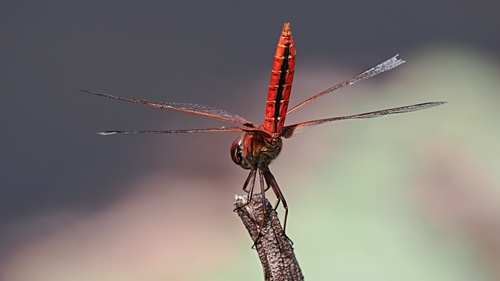
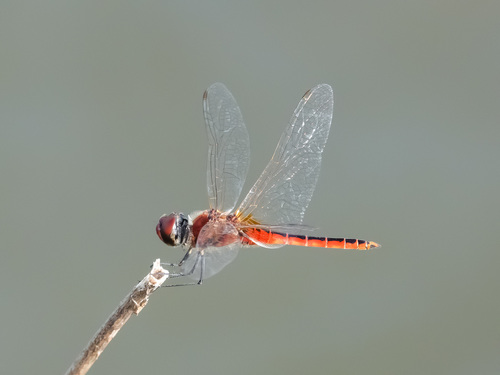
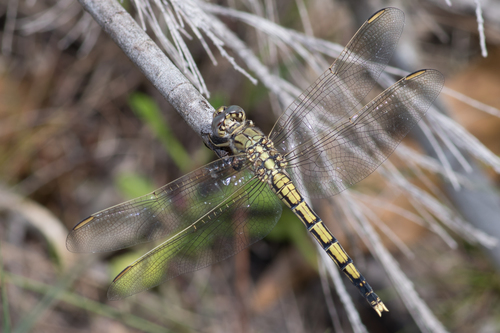
Palemouth

Palemouth

Brachydiplax denticauda

Daily sighting probability ~20% · Possible
at Kakadu National Park

In 3 days ~50% in a week ~80%

15 Verified sightings at Kakadu National Park From 2019 to 2026
52 In all 2 parks
March Best month
☀️ Diurnal When it's spotted

About the Palemouth

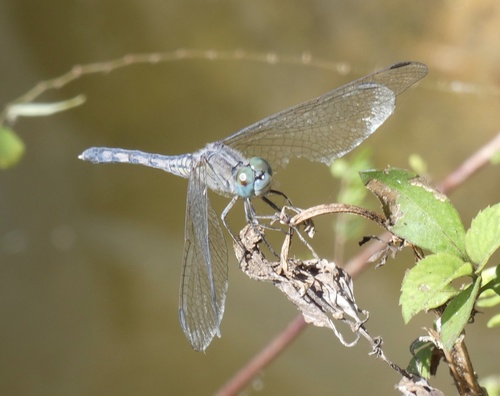
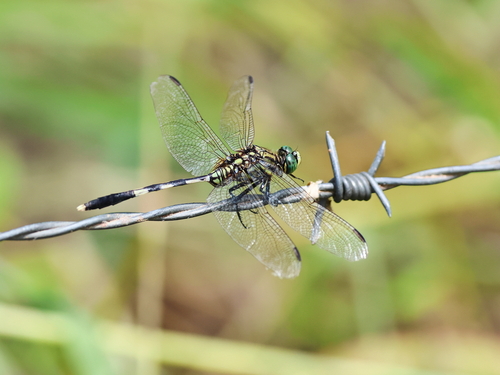
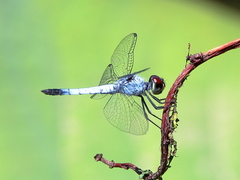
Brachydiplax denticauda is a species of dragonfly in the family Libellulidae known commonly as the palemouth. It is native to Australia, Indonesia, Papua New Guinea, and the Solomon Islands. It lives in habitat with still and slow-moving waters.

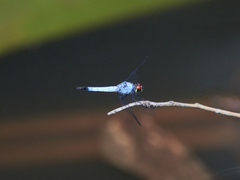
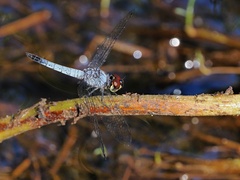
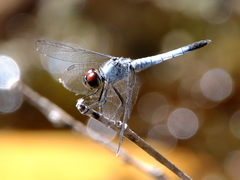
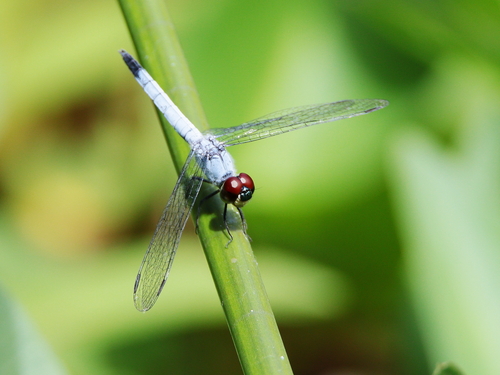
Males of this species are typical in colour for the genus, being bright powder blue on both the thorax and abdomen. The labrum is pale cream, thus giving the species its common name of palemouth. In northern Australia, it is found coastal and adjacent inland in an arc from the southern Queensland border to Broome, Western Australia.

This species is small in size with a wingspan of 40 to 60 millimeters. Brachydiplax denticauda usually has six antenodal crossveins in the fore-wing and five in the hind-wing whereas the very similar Brachydiplax duivenbodei has seven antenodal crossveins in the fore-wing and six in the hind-wing. Though brightly coloured, the males often go unnoticed by an observer once they land on a lily pad or similar place.

The genus name Brachydiplax is derived from the Greek βραχύς (brakhys, "short"), combined with Diplax, a genus name derived from the Greek δίς (dis, "twice") and πλάξ... Wikipedia →
Global Distribution

Parks Where Found

# Park Country Daily sighting probability
1 Litchfield National Park 🇦🇺 Australia
~30%
2 Kakadu National Park 🇦🇺 Australia
~20%

Cities Where Found

# City Country Daily sighting probability
1 Brisbane 🇦🇺 Australia
~10%

Before you go

What are the chances of seeing a Palemouth in Kakadu National Park?

Possible

About 20% of wildlife watchers report a Palemouth sighting in Kakadu National Park on a given day, based on 15 verified sightings from GBIF citizen-science data from 2019 to 2026. It is the 24th most-seen of the 76 insects we can rate there. Over three days the chance rises to about 50%, and over a week to about 80%, if each day is a fresh chance.

When is the best time to see a Palemouth in Kakadu National Park?

March and November

In those months about 40% of wildlife watchers report a Palemouth in Kakadu National Park on a given day, against under 5% in January and July, the lowest months.

What time of day is best to see a Palemouth?

Between 2 and 5 pm

Across all the parks we cover, that three-hour window holds the most Palemouth sightings with a recorded time, and about 9 in 10 of them come between 6 am and 6 pm: it is a daytime animal.

Is Kakadu National Park the best place to see a Palemouth?

2nd of 2

Of the 2 parks where we can rate Palemouth sightings, Kakadu National Park ranks 2nd at about 20%. The best odds are in Litchfield National Park (Australia, about 30%).

Which relatives of the Palemouth live in Kakadu National Park?

Same family: Libellulidae

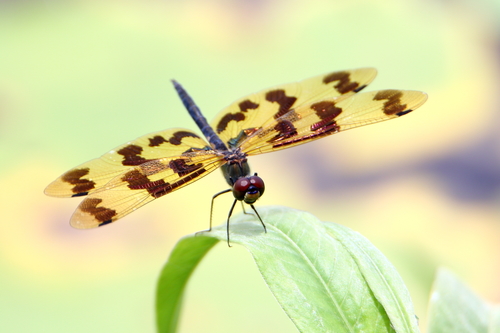
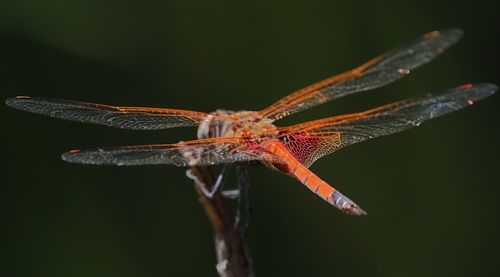
The closest relatives of the Palemouth that you can see in Kakadu National Park (family Libellulidae, Skimmers) are Painted Grasshawk (about 40%), Graphic Flutterer (about 40%) and Common Glider (about 30%), with each one's daily chance of a sighting.

Where does the Palemouth sighting chance come from?

GBIF citizen-science records

It is estimated from how often the Palemouth is recorded against all the insects logged in Kakadu National Park (15 verified sightings from 2019 to 2026), calibrated against known sighting rates. Figures are rounded to the nearest 10% because citizen-science data supports honest approximations, not decimals, and months with records from fewer than five people show "—". How it works.

← Back to Kakadu National Park