












viewingnaturewitheileen.blogspot.com Web excerpt · 2026
“The Brown Booby below was seen while we were on a shuttle boat to the island of St.”
🇺🇸 United States
Kīlauea Point National Wildlife Refuge is a National Wildlife Refuge on the northwest coast of the island of Kauaʻi in Hawaiʻi. Kīlauea Lighthouse was built in 1913. Kīlauea Point, a narrow, lava peninsula protruding from the northern shore of Kauaʻi, that the lighthouse was built upon was purchased from the Kīlauea Sugar Plantation Company in 1909. In 1976, the Coast Guard deactivated the lighthouse and replaced it with an automatic beacon. In 1979, the lighthouse was placed on the National Register of Historic Places.
The refuge was established in 1985 to preserve and enhance seabird nesting colonies after the property was transferred from the United States Coast Guard. In 1988, the refuge was expanded to include Crater Hill and Mōkōlea Point.
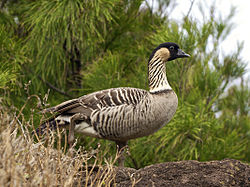
Management programs protect the seabird nesting habitat and cooperate with the State of Hawaii to monitor the nēnē population and a newly recruited Newell's shearwater population, among other native Hawaiian seabird species.
22.228° N 159.399° W

Warmer areas are where all species together are recorded most often.
How rich is the wildlife?
How likely to see animals?
How easy and pleasant is the visit?
Your review
“The Brown Booby below was seen while we were on a shuttle boat to the island of St.”
208 species
Kilauea Point National Wildlife Refuge has 208 recorded vertebrate species. The ones wildlife watchers report most often on a given day are Red-footed Booby (over 90%), Hawaiian Goose (about 90%), Great Frigatebird (about 90%), White-tailed Tropicbird (about 80%) and Brazilian Cardinal (about 70%). Among mammals, the most-seen is Humpback Whale (about 30%); among reptiles, Brown Anole (about 60%); among amphibians, Eastern Cane Toad (about 30%).
March, May and July
In those months the park's 12 most-seen species average about 80% on a given day, against about 70% in April, June and August–February.
Yes
Over 90% of wildlife watchers report a Red-footed Booby sighting in Kilauea Point National Wildlife Refuge on a given day, based on 2,088 verified sightings from GBIF citizen-science data from 2019 to 2026. The best time is January–May, July and September–October (over 90%).
Yes
About 90% of wildlife watchers report a Hawaiian Goose sighting in Kilauea Point National Wildlife Refuge on a given day, based on 1,529 verified sightings from GBIF citizen-science data from 2019 to 2026. The best time is October to December (over 90%).
Yes
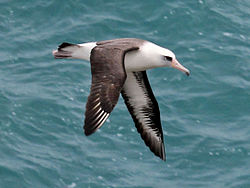
About 70% of wildlife watchers report a Laysan Albatross sighting in Kilauea Point National Wildlife Refuge on a given day, based on 879 verified sightings from GBIF citizen-science data from 2019 to 2026. The best time is December to April (about 90%).
Yes
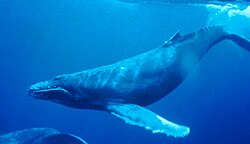
About 30% of wildlife watchers report a Humpback Whale sighting in Kilauea Point National Wildlife Refuge on a given day, based on 23 verified sightings from GBIF citizen-science data from 2019 to 2026. The best time is March (about 60%).
2.6 out of 5
On the Wallace's Line Score, Kilauea Point National Wildlife Refuge rates 2.6/5: 330th of 340 parks worldwide and 57th in North America. 18 of its species are reported by about 40% or more of wildlife watchers on a given day.


