
Completed
Atlas Moth
Attacus atlas
- KingdomAnimalia (Animals)
- PhylumArthropoda (Arthropods)
- ClassInsecta (Insects)
- OrderLepidoptera (Butterflies and Moths)
- FamilySaturniidae (Emperor and Giant Silk Moths)
- GenusAttacus
- SpeciesAttacus atlas (Atlas Moth)
In 3 days ~60% in a week ~90%
34 Verified sightings at Kinabalu Park From 2019 to 2026
39 In all 2 parks
April Best month
🌅 Crepuscular When it's spotted
About the Atlas Moth
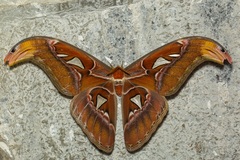
Attacus atlas, the Atlas moth, is a large saturniid moth endemic to the forests of Asia. The species was described by Carl Linnaeus in his 1758 10th edition of Systema Naturae. The Atlas moth is one of the largest lepidopterans, with a wingspan often measuring from 250mm to 300mm. and a wing surface area of about 160 cm2 (25 in2). It is only surpassed in wingspan by the white witch (Thysania agrippina) and Attacus caesar, and in wing surface area by the Hercules moth (Coscinocera hercules). As in most silk moths, females are noticeably larger and heavier than males, while males have broader antennae.
Atlas moths are named after Atlas, the Titan of Greek mythology (due to their size). The Cantonese name translates to "snake's head moth", referring to the prominent extension of the forewing that resembles the head of a snake.
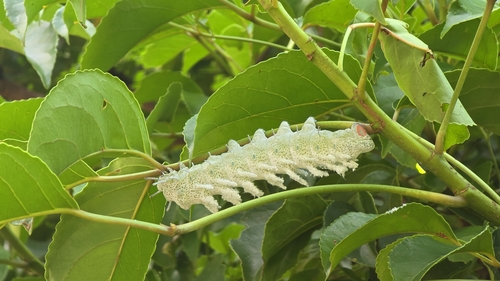
Atlas moths lay a number of spherical eggs, 2.5 mm (0.098 in) in diameter, on the undersides of the leaves of food plants. After approximately two weeks, dusty-green caterpillars hatch and feed on their egg-shell, and then the foliage of citrus, cinnamon, guava, and evergreen trees. The caterpillars can grow... Wikipedia →
Recent sightings of Atlas Moth in Kinabalu Park
LIVEiNaturalistGlobal Distribution
Parks Where Found
| # | Park | Country | Daily sighting probability |
|---|---|---|---|
| 1 | Kinabalu Park | 🇲🇾 Malaysia | |
| 2 | Kaeng Krachan National Park | 🇹🇭 Thailand |
Cities Where Found
| # | City | Country | Daily sighting probability |
|---|---|---|---|
| 1 | Tasikmalaya | 🇮🇩 Indonesia | |
| 2 | Yogyakarta | 🇮🇩 Indonesia | |
| 3 | Jakarta | 🇮🇩 Indonesia | |
| 4 | Kuala Lumpur | 🇲🇾 Malaysia | |
| 5 | Denpasar | 🇮🇩 Indonesia | |
| 6 | Bandung | 🇮🇩 Indonesia | |
| 7 | Singapore | 🇸🇬 Singapore | |
| 8 | Taipei | 🇹🇼 Taiwan | |
| 9 | Hong Kong | 🇨🇳 China |
Closest Relatives at Kinabalu Park
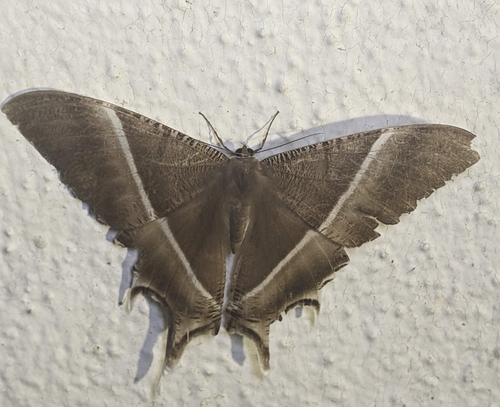
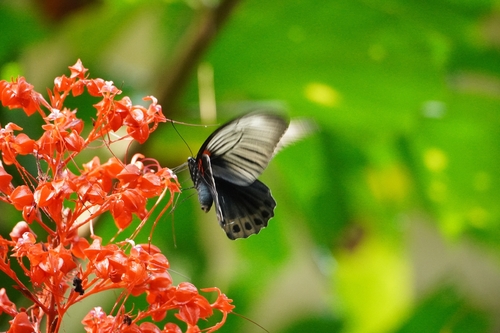
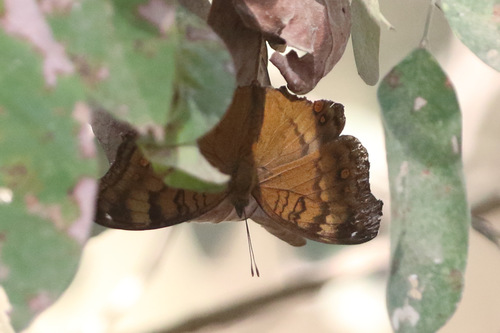

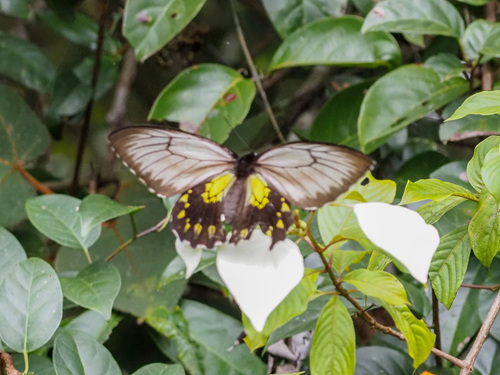
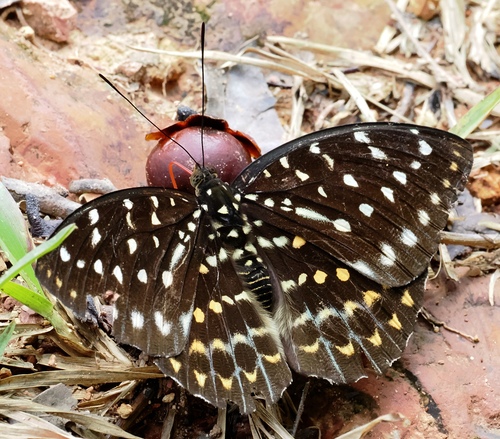
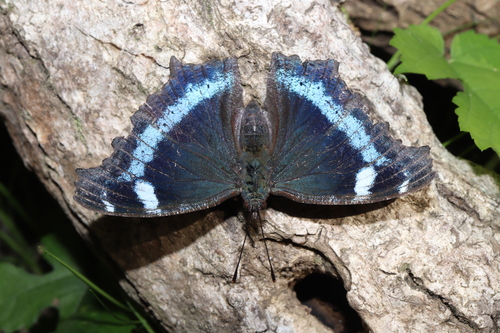
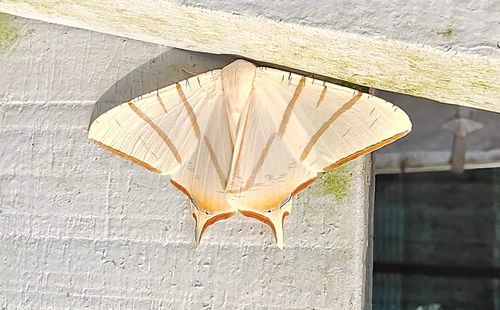
Before you go
What are the chances of seeing an Atlas Moth in Kinabalu Park?
Possible
About 30% of wildlife watchers report an Atlas Moth sighting in Kinabalu Park on a given day, based on 34 verified sightings from GBIF citizen-science data from 2019 to 2026. It is the 13th most-seen of the 297 insects we can rate there. Over three days the chance rises to about 60%, and over a week to about 90%, if each day is a fresh chance.
When is the best time to see an Atlas Moth in Kinabalu Park?
April
In that month about 40% of wildlife watchers report an Atlas Moth in Kinabalu Park on a given day, against under 5% in January, March and November, the lowest months.
What time of day is best to see an Atlas Moth?
Between 6 and 9 pm
Across all the parks we cover, that three-hour window holds the most Atlas Moth sightings with a recorded time, and about half of them come between 6 pm and 6 am: it is most active around dawn and dusk.
Is Kinabalu Park the best place to see an Atlas Moth?
Yes
Of the 2 parks where we can rate Atlas Moth sightings, Kinabalu Park has the highest daily chance: about 30%. Next come Kaeng Krachan National Park (Thailand, about 10%).
Which relatives of the Atlas Moth live in Kinabalu Park?
Same family: Saturniidae
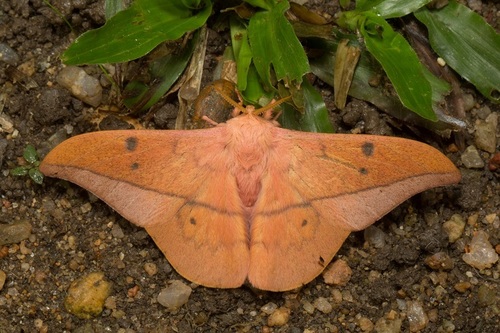
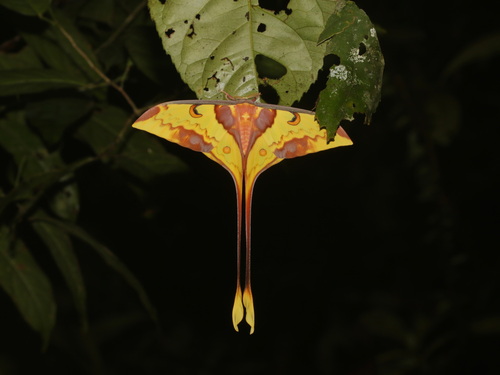
The closest relatives of the Atlas Moth that you can see in Kinabalu Park (family Saturniidae, Emperor and Giant Silk Moths) are Cricula Silkmoth (about 20%) and Malaysian Moon Moth (about 10%), with each one's daily chance of a sighting.
Where does the Atlas Moth sighting chance come from?
GBIF citizen-science records
It is estimated from how often the Atlas Moth is recorded against all the insects logged in Kinabalu Park (34 verified sightings from 2019 to 2026), calibrated against known sighting rates. Figures are rounded to the nearest 10% because citizen-science data supports honest approximations, not decimals, and months with records from fewer than five people show "—". How it works.
