Maria Island National Park
🇦🇺 Australia
Oceania, Australia 367 spp. recorded
Maria Island National Park is an insular wildlife sanctuary off the eastern coast of Tasmania, Australia. Composed of temperate forest, open eucalypt woodlands, and coastal scrub, the island features quiet dirt tracks winding through coastal dunes and wooded hills.
-42.624° S 148.078° E
🦜 Nature

146 Species sighted
12,554 Verified sightings From 2019 to 2026
Oct Best month
⭐ Iconic Species


📊 Most Spotted


⭐ Iconic Species
📊 Most Spotted


📊 Most Spotted



📊 Most Spotted




📊 Most Spotted
📊 Most Spotted
⭐ Iconic Species
🌙 Most active after dark


+ 261 more species with insufficient data
Recent sightings in Maria Island National Park
LIVEiNaturalistSighting Calendar
How many species you'd see in a day
37Jan
34Feb
34Mar
32Apr
34May
35Jun
29Jul
31Aug
36Sep
38Oct
37Nov
35Dec
Sighting Zones
Warmer areas are where all species together are recorded most often.
-
Darlington
Daily sight. prob.vs avg -
Bishop and Clerk
Daily sight. prob.vs avg Common Wombat~90%≈
 Red-bellied Pademelon~80%-10%
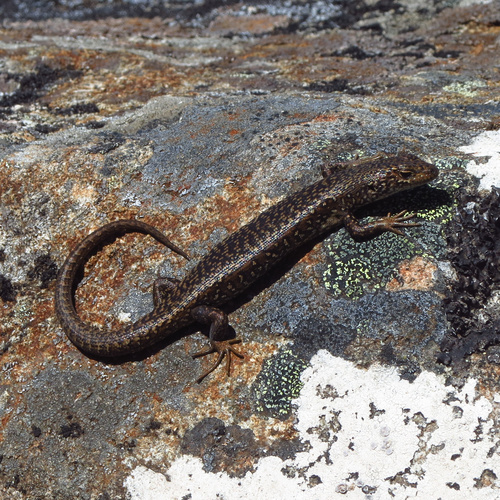
 Ocellated Coolskink~80%+30%
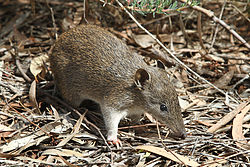 Southern Brown Bandicoot~70%-10%
 Red-necked Wallaby~70%-10%
 Yellow Wattlebird~70%-10%
 Tasmanian Tree Skink~70%+30%
 Grey Fantail~60%-10%
 Eastern Grey Kangaroo~60%-20%
 Green Rosella~60%-20%
 Tasmanian Nativehen~60%-30%
 Black Currawong~60%-20%
-
Maria Island
Daily sight. prob.vs avg- Common Wombat>90%≈
- Red-bellied Pademelon~90%≈
- Southern Brown Bandicoot~80%-10%
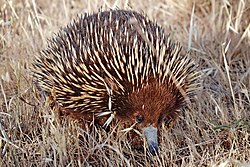 Short-beaked Echidna~80%+10%
- Red-necked Wallaby~70%-10%
- Yellow Wattlebird~60%-10%
- Black Currawong~60%-10%
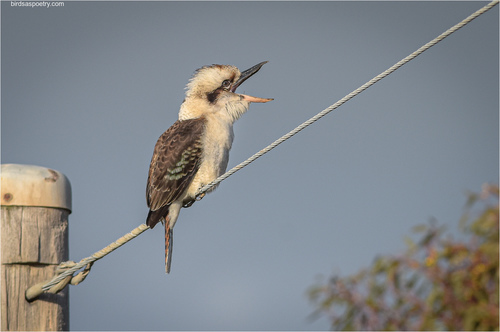
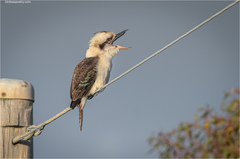 Laughing Kookaburra~50%-10%
 Australian Magpie~50%-30%
 Cape Barren Goose~50%-30%
- Eastern Grey Kangaroo~50%-20%
 Eastern Tiger Snake~50%+10%


🏕️ Experience
Essentials
Entrance
Paid
Tourism
Medium
Typical stay
1
dayTrails
Moderate
World Heritage
No
Climate
Temp °C Rain mm
JanFebMarAprMayJunJulAugSepOctNovDec
0.0 Excellent
Wallace's Line Score
How good is this park for seeing wildlife? 🦜
Biodiversity
GoodHow rich is the wildlife?
3.5
Species by taxon
🦅 Birds 259
🐒 Mammals 81
🦎 Reptiles 22
🐸 Amphibians 5
367 Total Species
828 Global average across 316 parks
39 Threatened 129 Endemic
🔭
Sighting
ExcellentHow likely to see animals?
4.0
🎯
Top-12 Avg Probability
83% 📊
Coverage (97 species at ≥5% of 367 in the inventory)
26% 🔀
Taxon variety in top 12 (7 bird, 5 mammal)
65% 🔭
Species per 10 outings (distinct species a visitor would meet over 10 outings — effort held equal across parks)
73 🌟
Iconic-group species (≥15%) (every species from the 19 iconic groups — monkeys, cats, toucans, macaws, sloths, crocodilians… — not just the 4 highlighted above)
10 ⭐
High-prob species (>40%)
38 🏕️
Experience
GoodHow easy and pleasant is the visit?
3.3
Climate Harsh Low
Entrance Paid Low
Tourism Medium Medium
Trails Moderate Medium
World Heritage No —
What visitors say
Within a few meters, we saw our first wombats grazing alongside the gravel road before crossing under a majestic canopy of centuries old windswept spruce on our way to the main campground, Darlington.
Exploring the remnants of the Darlington township, we immediately spot pademelons grazing everywhere.
It was here, tucked among the bushes, that we spotted a group of wood kangaroos.
We saw a "turbochook" (Tasmanian nativehen) with a chick...the chick had the biggest feet and was in danger of tripping over itself.
Before you go
What animals can you see in Maria Island National Park?
367 species
Maria Island National Park has 367 recorded vertebrate species. The ones wildlife watchers report most often on a given day are Common Wombat (over 90%), Cape Barren Goose (about 90%), Red-bellied Pademelon (about 90%), Tasmanian Nativehen (about 90%) and Australian Magpie (about 80%). Among reptiles, the most-seen is White's Rock-skink (about 50%).
When is the best time to visit Maria Island National Park for wildlife?
June
In that month the park's 12 most-seen species average about 90% on a given day, against about 80% in July to May.
Can you see a Common Wombat in Maria Island National Park?
Yes
Over 90% of wildlife watchers report a Common Wombat sighting in Maria Island National Park on a given day, based on 584 verified sightings from GBIF citizen-science data from 2019 to 2026. The best time is September to July (over 90%).
Can you see a Red-bellied Pademelon in Maria Island National Park?
Yes
About 90% of wildlife watchers report a Red-bellied Pademelon sighting in Maria Island National Park on a given day, based on 204 verified sightings from GBIF citizen-science data from 2019 to 2026. The best time is June and October–April (about 90%).
Can you see a Tasmanian Devil in Maria Island National Park?
Yes
About 60% of wildlife watchers report a Tasmanian Devil sighting in Maria Island National Park on a given day, based on 57 verified sightings from GBIF citizen-science data from 2019 to 2026. The best time is January (about 80%).
Can you see a Short-beaked Echidna in Maria Island National Park?
Yes
About 60% of wildlife watchers report a Short-beaked Echidna sighting in Maria Island National Park on a given day, based on 52 verified sightings from GBIF citizen-science data from 2019 to 2026. The best time is November to January (about 80%).
Where in Maria Island National Park is wildlife easiest to see?
Around Darlington
The richest sighting zone is around Darlington, followed by Bishop and Clerk and Maria Island, ranked by how many of the park's headline animals visitors can expect to see in each. See the zones on the map.
Is Maria Island National Park good for wildlife watching?
3.8 out of 5
On the Wallace's Line Score, Maria Island National Park rates 3.8/5: 141st of 316 parks worldwide and 8th in Oceania. 41 of its species are reported by about 40% or more of wildlife watchers on a given day.


