




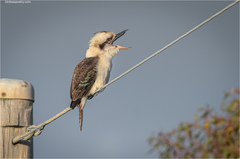


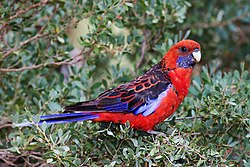
All 4 in 3 days here: ~40%
Wilsons Promontory National Park
🇦🇺 Australia
Oceania, Australia 553 spp. recorded
Wilsons Promontory National Park sits on the southern tip of mainland Australia, a rugged peninsula of granite cliffs, sandy beaches and temperate forest. The mix of coastal dunes and dense eucalypt woodlands makes the landscape feel both maritime and inland, setting it apart from parks that are solely forested or solely beach.
-38.970° S 146.360° E
🦜 Nature

248 Species sighted
19,563 Verified sightings From 2019 to 2026
Jan Best month
⭐ Iconic Species
📊 Most Spotted
⭐ Iconic Species
📊 Most Spotted
📊 Most Spotted
📊 Most Spotted
📊 Most Spotted
📊 Most Spotted
🌙 Most active after dark
+ 377 more species with insufficient data
Challenges you can complete here
Recent sightings in Wilsons Promontory National Park
LIVEiNaturalistSighting Calendar
How many species you'd see in a day
44Jan
39Feb
40Mar
35Apr
34May
28Jun
30Jul
30Aug
30Sep
35Oct
37Nov
41Dec
Sighting Zones
Warmer areas are where all species together are recorded most often.
-
Tidal River
Daily sight. prob.vs avg -
Whisky Bay
Daily sight. prob.vs avg -
Millers Landing
-
Mt Oberon Summit Track
-
Wildlife Viewing Area





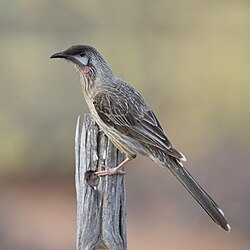


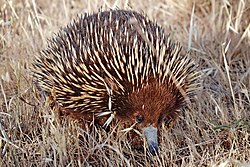


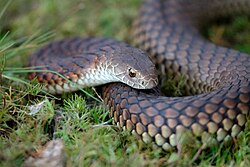
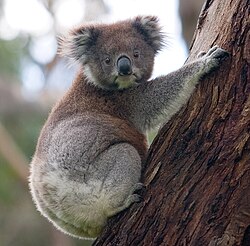


🏕️ Experience
Essentials
Entrance
Free
Tourism
Medium
Typical stay
1–2
daysTrails
Moderate
World Heritage
No
Climate
Temp °C Rain mm
JanFebMarAprMayJunJulAugSepOctNovDec
0.0 Excellent
Wallace's Line Score
How good is this park for seeing wildlife? 🦜
Biodiversity
Very goodHow rich is the wildlife?
4.3
Species by taxon
🦅 Birds 388
🐒 Mammals 102
🦎 Reptiles 51
🐸 Amphibians 12
553 Total Species
828 Global average across 316 parks
51 Threatened 223 Endemic
🔭
Sighting
Very goodHow likely to see animals?
3.6
🎯
Top-12 Avg Probability
72% 📊
Coverage (125 species at ≥5% of 553 in the inventory)
23% 🔀
Taxon variety in top 12 (8 bird, 3 mammal, 1 reptile)
65% 🔭
Species per 10 outings (distinct species a visitor would meet over 10 outings — effort held equal across parks)
84 🌟
Iconic-group species (≥15%) (every species from the 19 iconic groups — monkeys, cats, toucans, macaws, sloths, crocodilians… — not just the 4 highlighted above)
13 ⭐
High-prob species (>40%)
29 🏕️
Experience
GoodHow easy and pleasant is the visit?
3.1
Climate Harsh Low
Entrance Free High
Tourism High Low
Trails Moderate Medium
World Heritage No —
What visitors say
We were lucky enough to spot kangaroos, emus, wombats and echidnas across the weekend.
At first we saw lots of kangaroos, emus, parrots, but no wombats.
To our delight, alongside familiar kangaroos, emus, and parrots, we finally saw various live wombats.
We saw a bunch of galahs (rose breasted cockatoos) hanging out in the eucalyptus trees within the campground, and at night we enjoyed hanging out on the beach under the starry night sky.
Before you go
What animals can you see in Wilsons Promontory National Park?
553 species
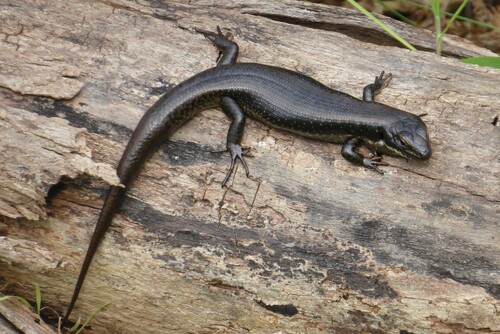
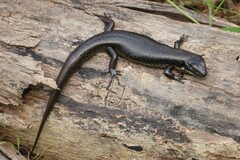
Wilsons Promontory National Park has 553 recorded vertebrate species. The ones wildlife watchers report most often on a given day are Common Wombat (about 90%), Swamp Wallaby (about 80%), Superb Fairywren (about 80%), Silver Gull (about 80%) and Pacific Gull (about 80%). Among reptiles, the most-seen is Cool-temperate Water Skink (about 60%); among amphibians, Common Eastern Froglet (about 20%).
When is the best time to visit Wilsons Promontory National Park for wildlife?
September to July
In those months the park's 12 most-seen species average about 70% on a given day, against about 60% in August.
Can you see a Common Wombat in Wilsons Promontory National Park?
Yes
About 90% of wildlife watchers report a Common Wombat sighting in Wilsons Promontory National Park on a given day, based on 478 verified sightings from GBIF citizen-science data from 2019 to 2026. The best time is May to December (about 90%).
Can you see a Swamp Wallaby in Wilsons Promontory National Park?
Yes
About 80% of wildlife watchers report a Swamp Wallaby sighting in Wilsons Promontory National Park on a given day, based on 359 verified sightings from GBIF citizen-science data from 2019 to 2026. The best time is May–July and October (about 90%).
Can you see an Eastern Grey Kangaroo in Wilsons Promontory National Park?
Yes
About 60% of wildlife watchers report an Eastern Grey Kangaroo sighting in Wilsons Promontory National Park on a given day, based on 171 verified sightings from GBIF citizen-science data from 2019 to 2026. The best time is March and July (about 80%).
Where in Wilsons Promontory National Park is wildlife easiest to see?
Around Tidal River
The richest sighting zone is around Tidal River, followed by Whisky Bay and Millers Landing, ranked by how many of the park's headline animals visitors can expect to see in each. See the zones on the map.
Is Wilsons Promontory National Park good for wildlife watching?
3.8 out of 5
On the Wallace's Line Score, Wilsons Promontory National Park rates 3.8/5: 134th of 316 parks worldwide and 7th in Oceania. 35 of its species are reported by about 40% or more of wildlife watchers on a given day.


