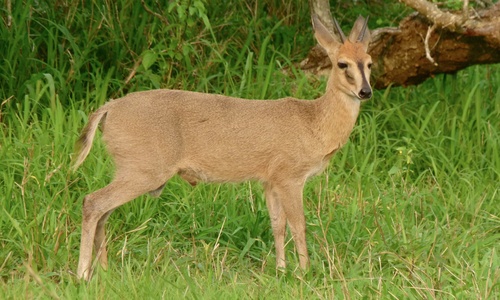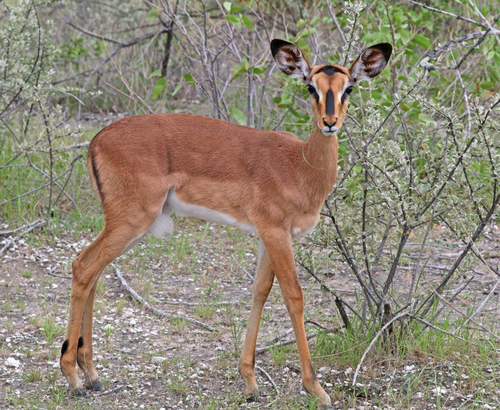


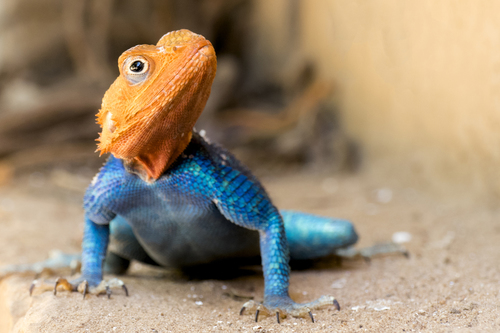


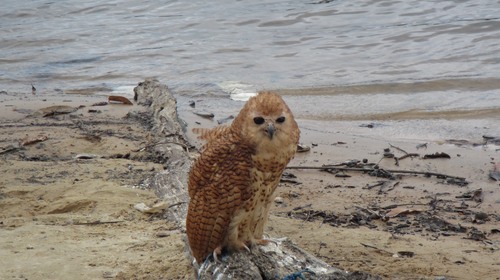


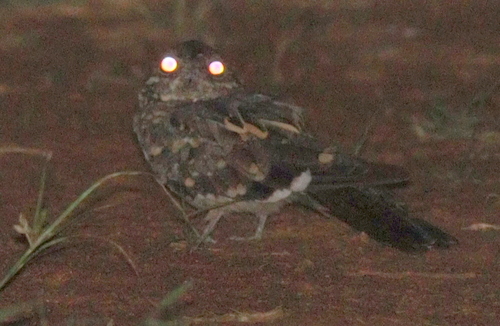


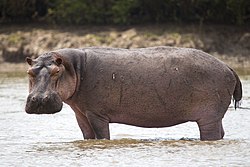


All 4 in 3 days here: ~40%
Meru National Park
🇰🇪 Kenya
East Africa, Kenya 1176 spp. recorded
Meru National Park is a protected tropical savanna located in the lowlands east of Mount Kenya. Its terrain features open grassland, tall riverine woodland, and dense acacia scrub cut by permanent streams. Unlike heavily visited southern reserves, this remote northern sanctuary remains quiet and wild, famous for its populations of stately Somali Giraffe, heavy African Bush Elephant, and sturdy Waterbuck.
0.143° N 38.149° E
🦜 Nature

400 Species sighted
10,011 Verified sightings From 2019 to 2026
Oct Best month
⭐ Iconic Species
📊 Most Spotted
⭐ Iconic Species
📊 Most Spotted
📊 Most Spotted
📊 Most Spotted
📊 Most Spotted
+ 917 more species with insufficient data
Challenges you can complete here
Recent sightings in Meru National Park
LIVEiNaturalistSighting Calendar
How many species you'd see in a day
57Jan
66Feb
63Mar
69Apr
11May
64Jun
13Jul
12Aug
52Sep
82Oct
69Nov
57Dec
Sighting Zones
Warmer areas are where all species together are recorded most often.
-
Meru Mulika
Daily sight. prob.vs avg -
0.134° N, 38.226° E
Daily sight. prob.vs avg Yellow-necked Francolin~70%-20%
 White-headed Buffalo-Weaver~70%-10%
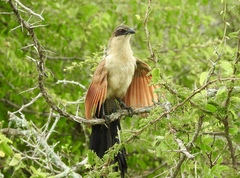 White-browed Coucal~70%≈
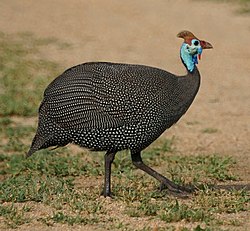 Helmeted Guineafowl~70%-10%
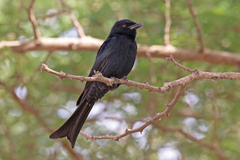 Fork-tailed Drongo~70%-10%
 Lilac-breasted Roller~60%≈
 Red-billed Buffalo-Weaver~60%-10%
 Superb Starling~60%-30%
 Northern Red-billed Hornbill~60%≈
 Gray-headed Kingfisher~60%-10%
 White-browed Sparrow-Weaver~60%-20%
 White-Bellied Go-Away-Bird~50%-20%
-
Ikweta Safari Camp
Daily sight. prob.vs avg -
Rhino River Camp
Daily sight. prob.vs avg- Fork-tailed Drongo~50%-30%
- White-browed Coucal~40%-30%
- Gray-headed Kingfisher~30%-40%
- Helmeted Guineafowl~30%-50%
- Lilac-breasted Roller~20%-40%
- White-browed Sparrow-Weaver~20%-50%
- Red-billed Buffalo-Weaver~20%-50%
- Superb Starling~20%-60%
- White-headed Buffalo-Weaver~20%-60%
- Northern Red-billed Hornbill~10%-50%
- Yellow-necked Francolin~10%-70%
- White-Bellied Go-Away-Bird~10%-50%




🏕️ Experience
Essentials
Entrance
Paid
Tourism
Low
Typical stay
2–3
daysTrails
Easy
World Heritage
No
Climate
Temp °C Rain mm
JanFebMarAprMayJunJulAugSepOctNovDec
0.0 World-class
Wallace's Line Score
How good is this park for seeing wildlife? 🦜
Biodiversity
Very goodHow rich is the wildlife?
4.3
Species by taxon
🦅 Birds 768
🐒 Mammals 243
🦎 Reptiles 135
🐸 Amphibians 30
1176 Total Species
828 Global average across 316 parks
45 Threatened 26 Endemic
🔭
Sighting
ExcellentHow likely to see animals?
5.0
🎯
Top-12 Avg Probability
77% 📊
Coverage (292 species at ≥5% of 1176 in the inventory)
25% 🔀
Taxon variety in top 12 (8 bird, 4 mammal)
59% 🔭
Species per 10 outings (distinct species a visitor would meet over 10 outings — effort held equal across parks)
221 🌟
Iconic-group species (≥15%) (every species from the 19 iconic groups — monkeys, cats, toucans, macaws, sloths, crocodilians… — not just the 4 highlighted above)
48 ⭐
High-prob species (>40%)
60 🏕️
Experience
ExcellentHow easy and pleasant is the visit?
4.8
Climate Pleasant High
Entrance Paid Low
Tourism Low High
Trails Easy High
World Heritage No —
What visitors say
No wonder, then, that within minutes of landing in Meru with AirKenya, we had already spotted a pride of six fully grown lions.
We encountered more giraffes, marabou storks strolling about, watchful African Cape buffalo ‘soldiers,’ and confident elephants.
Somali Lesser Galago (Galago gallarum) The caretaker at the cottage took us to a small camp – here – where he had seen galagos in some large trees.
We went one afternoon and found no other vehicles, but saw a leopard lounging in a tree and a herd of rare Grevy’s zebras dust-bathing.
Before you go
What animals can you see in Meru National Park?
1,176 species
Meru National Park has 1,176 recorded vertebrate species. The ones wildlife watchers report most often on a given day are Superb Starling (about 90%), Yellow-necked Francolin (about 80%), Reticulated Giraffe (about 80%), White-headed Buffalo-Weaver (about 80%) and Helmeted Guineafowl (about 80%). Among reptiles, the most-seen is Kenyan Rock Agama (about 50%).
When is the best time to visit Meru National Park for wildlife?
February, April and October
In those months the park's 12 most-seen species average about 80% on a given day, against about 60% in September. Those are among Meru National Park's wettest months, with about 100 mm of rain a month against almost none in July.
Can you see a Reticulated Giraffe in Meru National Park?
Yes
About 80% of wildlife watchers report a Reticulated Giraffe sighting in Meru National Park on a given day, based on 50 verified sightings from GBIF citizen-science data from 2019 to 2026. The best time is June, August and October (about 90%).
Can you see a Lion in Meru National Park?
Yes
About 60% of wildlife watchers report a Lion sighting in Meru National Park on a given day, based on 34 verified sightings from GBIF citizen-science data from 2019 to 2026. The best time is October (about 80%).
Can you see a White Rhinoceros in Meru National Park?
Yes
About 60% of wildlife watchers report a White Rhinoceros sighting in Meru National Park on a given day, based on 22 verified sightings from GBIF citizen-science data from 2019 to 2026. The best time is November (about 80%).
Can you see an African Bush Elephant in Meru National Park?
Yes
About 70% of wildlife watchers report an African Bush Elephant sighting in Meru National Park on a given day, based on 38 verified sightings from GBIF citizen-science data from 2019 to 2026. The best time is March, June and October (about 80%).
Where in Meru National Park is wildlife easiest to see?
Around Meru Mulika
The richest sighting zone is around Meru Mulika, followed by Ikweta Safari Camp, ranked by how many of the park's headline animals visitors can expect to see in each. See the zones on the map.
Is Meru National Park good for wildlife watching?
4.8 out of 5
On the Wallace's Line Score, Meru National Park rates 4.8/5: 25th of 316 parks worldwide and 17th in Africa. 66 of its species are reported by about 40% or more of wildlife watchers on a given day.