Poás Volcano National Park
🇨🇷 Costa Rica
Central Valley, Costa Rica 1261 spp. recorded
Poás protects one of the world's most accessible active volcanic craters — a massive turquoise acid lake surrounded by dwarf cloud forest at 2,700 meters elevation. The park is a highland birding hotspot where Fiery-throated Hummingbirds, Volcano Hummingbirds, and the elusive Resplendent Quetzal inhabit moss-draped forests just minutes from the crater rim.
10.198° N 84.228° W
🦜 Nature

540 Species sighted
88,861 Verified sightings From 2019 to 2026
Jul Best month
⭐ Iconic Species


📊 Most Spotted


⭐ Iconic Species
📊 Most Spotted


⭐ Iconic Species
📊 Most Spotted
⭐ Iconic Species
📊 Most Spotted
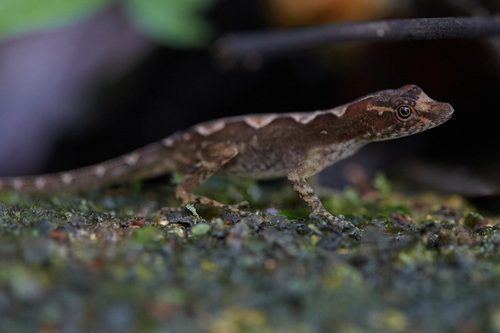


📊 Most Spotted
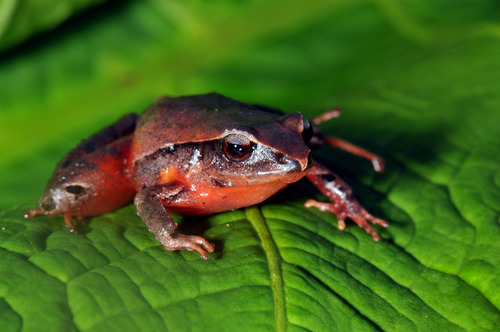


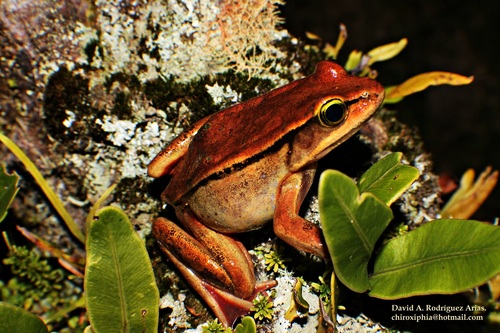
📊 Most Spotted


+ 717 more species with insufficient data
Recent sightings in Poás Volcano National Park
LIVEiNaturalistSighting Calendar
How many species you'd see in a day
28Jan
27Feb
28Mar
28Apr
30May
26Jun
32Jul
25Aug
28Sep
31Oct
27Nov
29Dec
Sighting Zones
Warmer areas are where all species together are recorded most often.
-
Poasito




🏕️ Experience
Essentials
Entrance
Paid
Tourism
High
Typical stay
1–2
daysTrails
Hard
World Heritage
No
Climate
Temp °C Rain mm
JanFebMarAprMayJunJulAugSepOctNovDec
0.0 Good
Wallace's Line Score
How good is this park for seeing wildlife? 🦜
Biodiversity
ExcellentHow rich is the wildlife?
4.8
Species by taxon
🦅 Birds 760
🐒 Mammals 219
🦎 Reptiles 167
🐸 Amphibians 115
1261 Total Species
828 Global average across 316 parks
50 Threatened 102 Endemic
🔭
Sighting
GoodHow likely to see animals?
2.8
🎯
Top-12 Avg Probability
70% 📊
Coverage (167 species at ≥5% of 1261 in the inventory)
13% 🔀
Taxon variety in top 12 (12 bird)
0% 🔭
Species per 10 outings (distinct species a visitor would meet over 10 outings — effort held equal across parks)
111 🌟
Iconic-group species (≥15%) (every species from the 19 iconic groups — monkeys, cats, toucans, macaws, sloths, crocodilians… — not just the 4 highlighted above)
2 ⭐
High-prob species (>40%)
21 🏕️
Experience
GoodHow easy and pleasant is the visit?
2.5
Climate Harsh Low
Entrance Paid Low
Tourism High Low
Trails Hard Low
World Heritage No —
What visitors say
In the end, we only encountered a few variegated squirrels, along with a yellow-thighed finch, a large-footed finch, and a euphonia, their flashes of movement and colour briefly breaking the stillness.
We still saw some birds the feeders, best being a female Red-headed Barbet, but no Prong-billed Barbet nor toucanet.
There we saw jaguars, boa constrictors and capuchin monkeys that chased each other around.
A search for one near the capital had us settling on the Poás Volcano, found within the confines of Parque Nacional Volcán Poás.
Before you go
What animals can you see in Poás Volcano National Park?
1,261 species
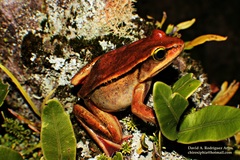
Poás Volcano National Park has 1,261 recorded vertebrate species. The ones wildlife watchers report most often on a given day are Violet Sabrewing (about 80%), Clay-colored Thrush (about 80%), Silver-throated Tanager (about 80%), Green-crowned Brilliant (about 80%) and Blue-gray Tanager (about 80%). Among mammals, the most-seen is Red-tailed Squirrel (about 40%); among reptiles, Side-striped palm pit viper (about 10%); among amphibians, Cerro Utyum Robber Frog (about 10%).
When is the best time to visit Poás Volcano National Park for wildlife?
January and February
In those months the park's 12 most-seen species average about 80% on a given day, against about 50% in May and June. Those are among Poás Volcano National Park's driest months, with about 180 mm of rain a month against 460 mm in November.
Can you see a Coppery-headed Emerald in Poás Volcano National Park?
Yes
About 50% of wildlife watchers report a Coppery-headed Emerald sighting in Poás Volcano National Park on a given day, based on 1,772 verified sightings from GBIF citizen-science data from 2019 to 2026. The best time is July (about 70%).
Can you see a Prong-billed Barbet in Poás Volcano National Park?
Yes
About 60% of wildlife watchers report a Prong-billed Barbet sighting in Poás Volcano National Park on a given day, based on 2,176 verified sightings from GBIF citizen-science data from 2019 to 2026. The best time is July (about 80%).
Can you see a White-nosed Coati in Poás Volcano National Park?
Yes
About 40% of wildlife watchers report a White-nosed Coati sighting in Poás Volcano National Park on a given day, based on 36 verified sightings from GBIF citizen-science data from 2019 to 2026. The best time is August (about 50%).
Can you see a Side-striped palm pit viper in Poás Volcano National Park?
With luck
About 10% of wildlife watchers report a Side-striped palm pit viper sighting in Poás Volcano National Park on a given day, based on 7 verified sightings from GBIF citizen-science data from 2019 to 2026. The best time is May (about 30%). Sightings take luck and time in the field.
Where in Poás Volcano National Park is wildlife easiest to see?
Around Torre del Poás
The richest sighting zone is around Torre del Poás, followed by Poasito and Catarata Del Toro, ranked by how many of the park's headline animals visitors can expect to see in each. See the zones on the map.
Is Poás Volcano National Park good for wildlife watching?
3.4 out of 5
On the Wallace's Line Score, Poás Volcano National Park rates 3.4/5: 223rd of 316 parks worldwide and 32nd in Central America. 24 of its species are reported by about 40% or more of wildlife watchers on a given day.


