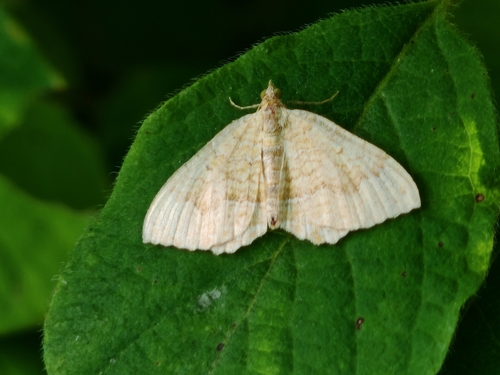
Barred Yellow

Barred Yellow

Cidaria fulvata

Daily sighting probability <5% · Rare
at Pyrénées National Park

In 3 days ~10% in a week ~20%

7 Verified sightings at Pyrénées National Park From 2019 to 2026
49 In all 6 parks
July Best month
🌙 Nocturnal When it's spotted

About the Barred Yellow

Cidaria fulvata, the barred yellow, is a moth of the family Geometridae. The species is widespread in the Palearctic, in the west from Spain and France to the British Isles, in the east to the Central Asian mountains, to the Amur and to Kamchatka, in the south of Italy via the Balkan countries, Asia Minor, the Caucasus, the Caspian region as far as the Pamir Mountains and northern India as well as in the north as far as Fennoscandia. The habitats include rocky slopes, heaths and wasteland as well as gardens and parks.

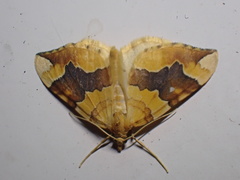
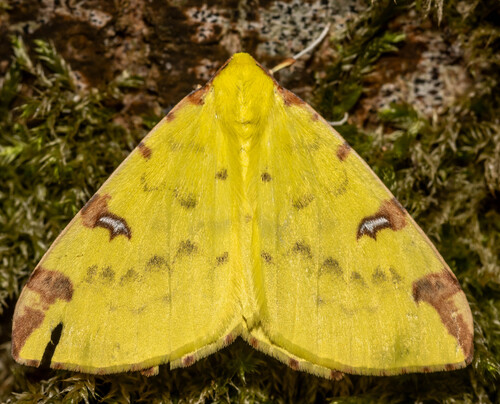
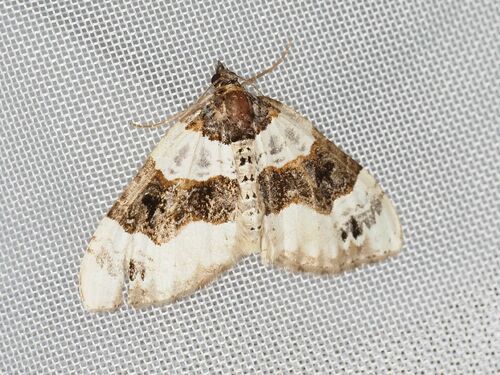
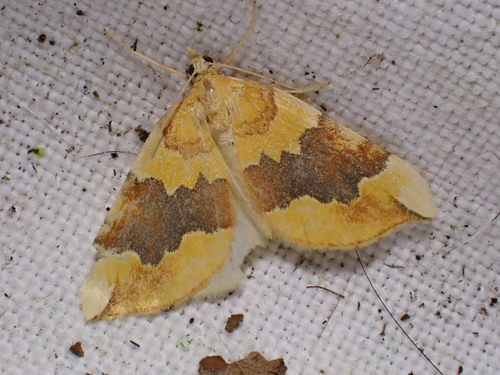
The wingspan is 20–25 mm. The forewing have yellow or ochre ground colour. There is a wide rust cross band which is traversed by violet-gray. This is jagged towards the margin and has thin cream line edges, connected along the costa to a triangular cream stain at the apex. The hindwings are plain whitish yellow. The larva is rather long and slender with 2 well developed anal points, bluer green dorsally, yellower green ventrally, with yellow lateral line. The head is rather small and the prothorax slightly swollen. The pupa spun by a few threads among leaves is bright yellow green, wings more grass-green. The dorsal line is scarcely darkened and there is a whitish subdorsal. The cremaster is reddish.

The moths fly from June to July.[1] The species prefers woodland, chalk downland and scrubland. The larvae feed on dog rose. Wikipedia →
Global Distribution

Parks Where Found

# Park Country Daily sighting probability
1 Mercantour National Park 🇫🇷 France
~10%
2 Vanoise National Park 🇫🇷 France
~10%
3 Ecrins National Park 🇫🇷 France
~10%
4 Cévennes National Park 🇫🇷 France
~10%
5 Pyrénées National Park 🇫🇷 France
<5%
6 Wadden Sea National Park 🇩🇪 Germany
<5%

Cities Where Found

# City Country Daily sighting probability
1 Liverpool 🇬🇧 United Kingdom
~10%
2 Prague 🇨🇿 Czechia
<5%
3 Berlin 🇩🇪 Germany
<5%
4 Helsinki 🇫🇮 Finland
<5%
5 London 🇬🇧 United Kingdom
<5%

Before you go

What are the chances of seeing a Barred Yellow in Pyrénées National Park?

Rare

Under 5% of wildlife watchers report a Barred Yellow sighting in Pyrénées National Park on a given day, based on 7 verified sightings from GBIF citizen-science data from 2019 to 2026. It is the 940th most-seen of the 1277 insects we can rate there. Over three days the chance rises to about 10%, and over a week to about 20%, if each day is a fresh chance.

When is the best time to see a Barred Yellow in Pyrénées National Park?

July and August

In those months about 10% of wildlife watchers report a Barred Yellow in Pyrénées National Park on a given day, against under 5% in September to June, the lowest months.

What time of day is best to see a Barred Yellow?

Between 10 pm and 1 am

Across all the parks we cover, that three-hour window holds the most Barred Yellow sightings with a recorded time, and about 8 in 10 of them come between 6 pm and 6 am: it is mostly seen at night.

Is Pyrénées National Park the best place to see a Barred Yellow?

5th of 6

Of the 6 parks where we can rate Barred Yellow sightings, Pyrénées National Park ranks 5th at under 5%. The best odds are in Mercantour National Park (France, about 10%), Vanoise National Park (France, about 10%) and Ecrins National Park (France, about 10%).

Which relatives of the Barred Yellow live in Pyrénées National Park?

Same family: Geometridae

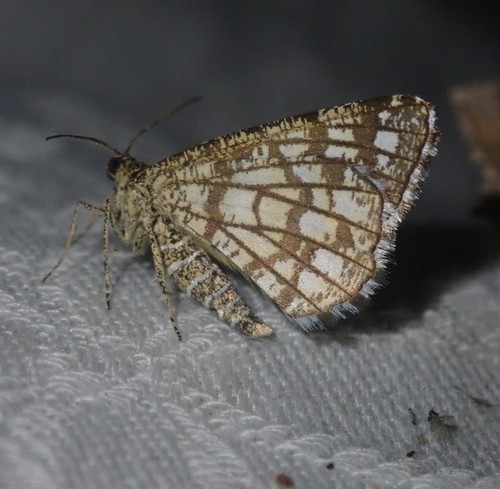
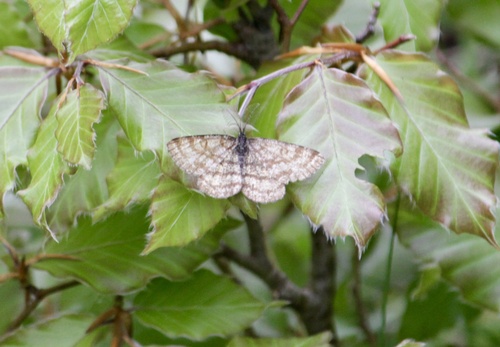
The closest relatives of the Barred Yellow that you can see in Pyrénées National Park (family Geometridae, Geometer Moths) are Latticed Heath (about 10%), Common Heath (about 10%) and Willow Beauty (about 10%), with each one's daily chance of a sighting.

Where does the Barred Yellow sighting chance come from?

GBIF citizen-science records

It is estimated from how often the Barred Yellow is recorded against all the insects logged in Pyrénées National Park (7 verified sightings from 2019 to 2026), calibrated against known sighting rates. Figures are rounded to the nearest 10% because citizen-science data supports honest approximations, not decimals, and months with records from fewer than five people show "—". How it works.

← Back to Pyrénées National Park