Knapweed Fritillary

Knapweed Fritillary

Melitaea phoebe

Daily sighting probability ~10% · With luck
at Pyrénées National Park

In 3 days ~30% in a week ~60%

81 Verified sightings at Pyrénées National Park From 2019 to 2026
445 In all 11 parks
May Best month
☀️ Diurnal When it's spotted

About the Knapweed Fritillary

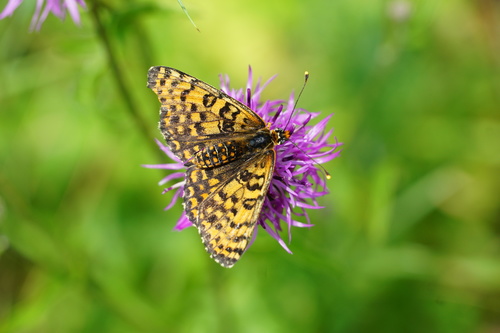
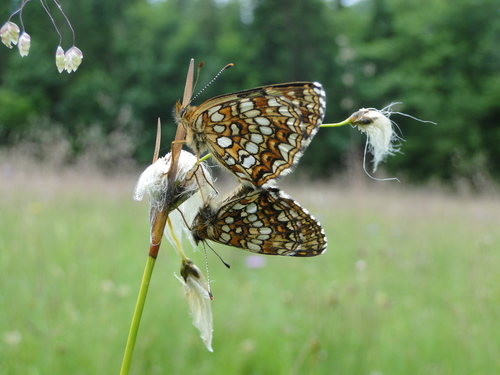
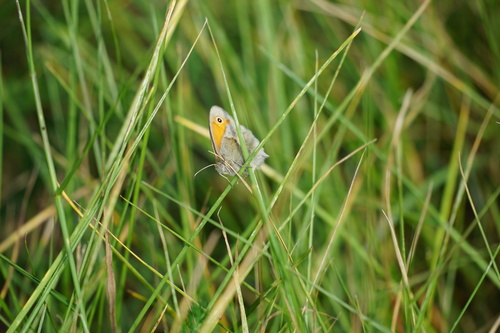
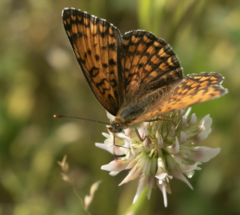
Melitaea phoebe, also known as the knapweed fritillary, is a butterfly of the family Nymphalidae. It is found in the Palearctic realm, including most of Europe and North Africa, excluding the United Kingdom and Scandinavia. Previously, it also included Melitaea telona, which was recently revalidated as a distinct cryptic species.

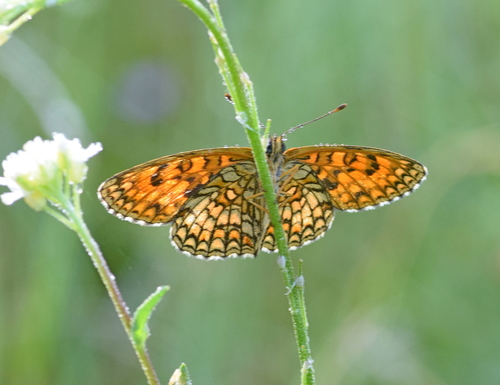
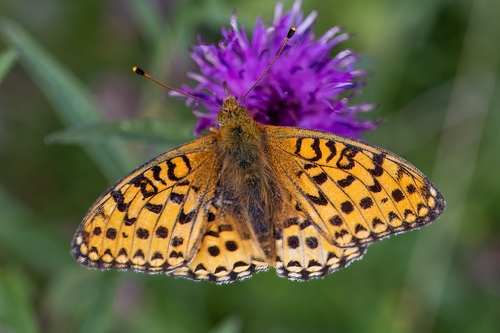
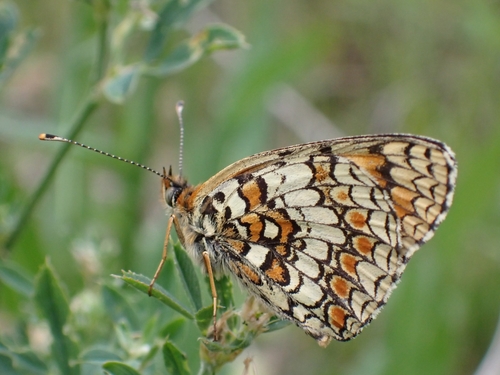
M. phoebe butterflies have a wingspan of 34 to 50 mm. Their forewings are more pointed than the eastern knapweed fritillary, but are equally variable in color and distinctive markings. Their black markings are usually joined, but may instead cover a majority of the wing or very little of it.

The species features a reddish-yellow submarginal lunate (crescent-shaped) spot between the two median veins that reaches its vertex, considerably further into the disc than the other yellow lunate spots. This pattern is present on both the forewings and the hindwings. Additionally, the submarginal lunule between the first and second median veins projects further basal than the other lunules of the same row. Wheeler (1903) gives a short description.

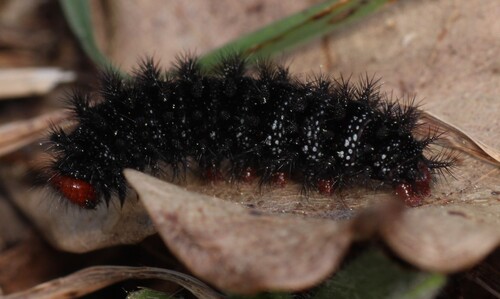
M. phoebe pupae are a dull yellow-brown colour, with dark yellow and black markings. The larvae are grey... Wikipedia →
Global Distribution

Parks Where Found

# Park Country Daily sighting probability
1 Mercantour National Park 🇫🇷 France
~30%
2 Cévennes National Park 🇫🇷 France
~20%
3 Vanoise National Park 🇫🇷 France
~20%
4 Ecrins National Park 🇫🇷 France
~20%
5 Picos de Europa National Park 🇪🇸 Spain
~20%
6 Kiskunság National Park 🇭🇺 Hungary
~20%
7 Aigüestortes National Park 🇪🇸 Spain
~20%
8 Sierra Nevada National Park 🇪🇸 Spain
~20%
9 Pyrénées National Park 🇫🇷 France
~10%
10 Sierra de Guadarrama National Park 🇪🇸 Spain
~10%
11 Fertő-Hanság National Park 🇭🇺 Hungary
~10%

Cities Where Found

# City Country Daily sighting probability
1 Turin 🇮🇹 Italy
~10%
2 Milan 🇮🇹 Italy
<5%
3 Novosibirsk 🇷🇺 Russia
<5%

Before you go

What are the chances of seeing a Knapweed Fritillary in Pyrénées National Park?

With luck

About 10% of wildlife watchers report a Knapweed Fritillary sighting in Pyrénées National Park on a given day, based on 81 verified sightings from GBIF citizen-science data from 2019 to 2026. It is the 107th most-seen of the 1277 insects we can rate there. Over three days the chance rises to about 30%, and over a week to about 60%, if each day is a fresh chance.

When is the best time to see a Knapweed Fritillary in Pyrénées National Park?

May

In that month about 30% of wildlife watchers report a Knapweed Fritillary in Pyrénées National Park on a given day, against under 5% in October to February, the lowest months.

What time of day is best to see a Knapweed Fritillary?

Between 10 am and 1 pm

Across all the parks we cover, that three-hour window holds the most Knapweed Fritillary sightings with a recorded time, and about 9 in 10 of them come between 6 am and 6 pm: it is a daytime animal.

Is Pyrénées National Park the best place to see a Knapweed Fritillary?

9th of 11

Of the 11 parks where we can rate Knapweed Fritillary sightings, Pyrénées National Park ranks 9th at about 10%. The best odds are in Mercantour National Park (France, about 30%), Cévennes National Park (France, about 20%) and Vanoise National Park (France, about 20%).

Which relatives of the Knapweed Fritillary live in Pyrénées National Park?

Same genus: Melitaea

The closest relatives of the Knapweed Fritillary that you can see in Pyrénées National Park (genus Melitaea) are Spotted Fritillary (about 20%), Glanville Fritillary (about 10%) and False Heath Fritillary (about 10%), with each one's daily chance of a sighting.

Where does the Knapweed Fritillary sighting chance come from?

GBIF citizen-science records

It is estimated from how often the Knapweed Fritillary is recorded against all the insects logged in Pyrénées National Park (81 verified sightings from 2019 to 2026), calibrated against known sighting rates. Figures are rounded to the nearest 10% because citizen-science data supports honest approximations, not decimals, and months with records from fewer than five people show "—". How it works.

← Back to Pyrénées National Park