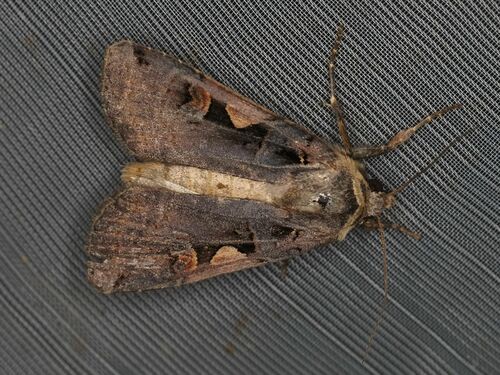
Sycamore Moth

Sycamore Moth

Acronicta aceris

Daily sighting probability <5% · Rare
at Pyrénées National Park

In 3 days ~10% in a week ~30%

10 Verified sightings at Pyrénées National Park From 2019 to 2026
95 In all 5 parks
May Best month
☀️🌙 Day & Night When it's spotted

About the Sycamore Moth

The sycamore (Acronicta aceris) is a moth of the family Noctuidae. The species was first described by Carl Linnaeus in his 1758 10th edition of Systema Naturae. It is distributed through most of Europe, from central England south to Morocco. To the east it is found from the Near East and Middle East to western Asia.

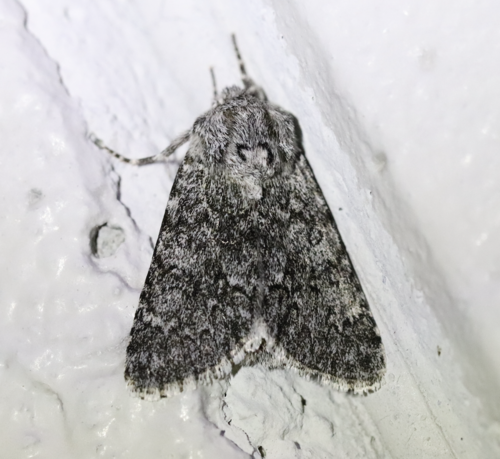
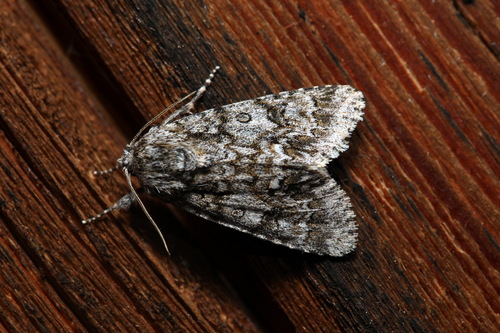
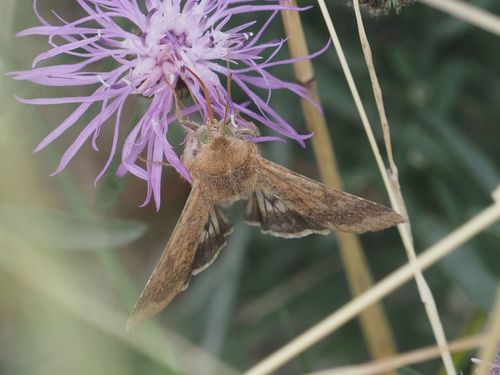
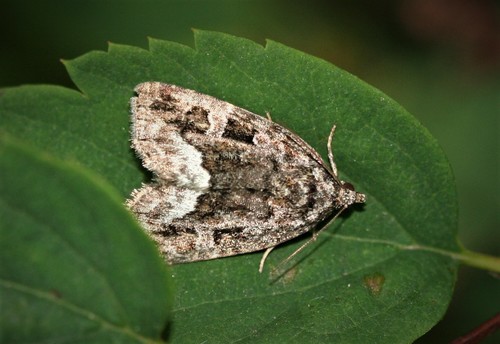
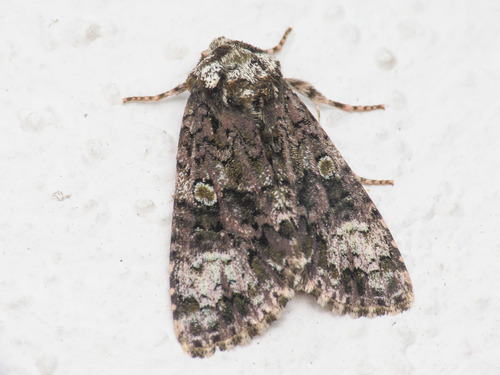
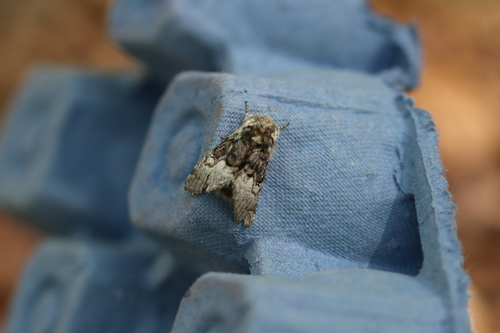
The forewings of this species are pale to dark grey with rather indistinct markings apart from a thin black basal streak. The hindwings are white, sometimes with dark streaks at the margin. The wingspan is 40–45 mm. Forewing whitish grey; basal streak thin and interrupted: a black streak through outer line on submedian fold; hindwing white in male, greyish in female, the veins blackish. — ab. infuscata Haw. (2f) has the whole forewing dark suffused grey. - ab. candelisequa Esp., to which Staudinger wrongly sinks infuscata, seems, from the figure, to be intermediate between it and the type, if it belong here at all: ab. intermedia Tutt (= candelisequa Gn. nec Esp.) is the common British form, with forewing darker, tinged with ochreous, and more distinct markings; ab. judaea Stgr. from Palestine is paler, the forewing greyish white... Wikipedia →
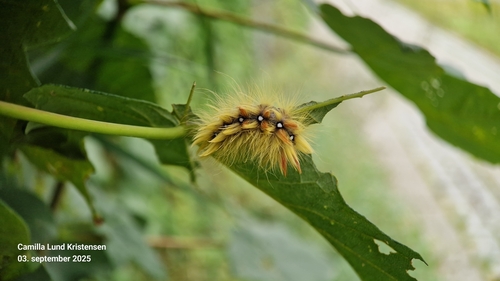
Global Distribution

Parks Where Found

# Park Country Daily sighting probability
1 Bavarian Forest National Park 🇩🇪 Germany
~10%
2 Wadden Sea National Park 🇩🇪 Germany
~10%
3 Cévennes National Park 🇫🇷 France
~10%
4 Pyrénées National Park 🇫🇷 France
<5%
5 Sierra de Guadarrama National Park 🇪🇸 Spain
<5%

Cities Where Found

# City Country Daily sighting probability
1 Liverpool 🇬🇧 United Kingdom
~10%
2 Manchester 🇬🇧 United Kingdom
~10%
3 Copenhagen 🇩🇰 Denmark
~10%
4 Minsk 🇧🇾 Belarus
~10%
5 Kyiv 🇺🇦 Ukraine
~10%
6 Helsinki 🇫🇮 Finland
~10%
7 Essen 🇩🇪 Germany
~10%
8 Birmingham 🇬🇧 United Kingdom
~10%
9 Stockholm 🇸🇪 Sweden
~10%
10 Vienna 🇦🇹 Austria
~10%

Before you go

What are the chances of seeing a Sycamore Moth in Pyrénées National Park?

Rare

Under 5% of wildlife watchers report a Sycamore Moth sighting in Pyrénées National Park on a given day, based on 10 verified sightings from GBIF citizen-science data from 2019 to 2026. It is the 738th most-seen of the 1277 insects we can rate there. Over three days the chance rises to about 10%, and over a week to about 30%, if each day is a fresh chance.

When is the best time to see a Sycamore Moth in Pyrénées National Park?

May to July

In those months about 10% of wildlife watchers report a Sycamore Moth in Pyrénées National Park on a given day, against under 5% in August to April, the lowest months.

What time of day is best to see a Sycamore Moth?

Between 11 pm and 2 am

Across all the parks we cover, that three-hour window holds the most Sycamore Moth sightings with a recorded time, and about half of them come between 6 pm and 6 am: it is seen both by day and at night.

Which relatives of the Sycamore Moth live in Pyrénées National Park?

Same genus: Acronicta

The closest relatives of the Sycamore Moth that you can see in Pyrénées National Park (genus Acronicta, Dagger Moths) are Knot Grass Moth (about 10%) and Sweet Gale Moth (about 10%), with each one's daily chance of a sighting.

Where does the Sycamore Moth sighting chance come from?

GBIF citizen-science records

It is estimated from how often the Sycamore Moth is recorded against all the insects logged in Pyrénées National Park (10 verified sightings from 2019 to 2026), calibrated against known sighting rates. Figures are rounded to the nearest 10% because citizen-science data supports honest approximations, not decimals, and months with records from fewer than five people show "—". How it works.

← Back to Pyrénées National Park