Mealybug Destroyer

Mealybug Destroyer

Cryptolaemus montrouzieri

Daily sighting probability ~10% · With luck
at Royal National Park

In 3 days ~20% in a week ~40%

6 Verified sightings at Royal National Park From 2019 to 2026
27 In all 4 parks
January Best month
☀️ Diurnal When it's spotted

About the Mealybug Destroyer

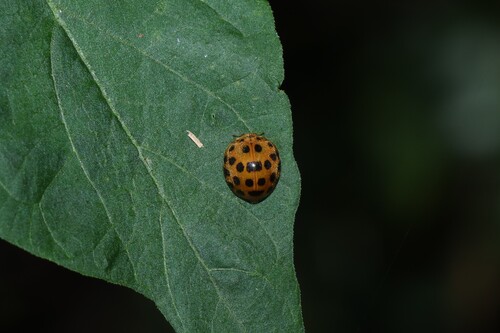
Cryptolaemus montrouzieri, common name mealybug ladybird or mealybug destroyer, is a species of ladybird beetle native to eastern Australia. The beetle feeds on mealybugs and other scale insects, and is used to control those pests on citrus orchards worldwide.

Étienne Mulsant described C. montrouzieri, naming the new species after a Marist brother and missionary, Abbe Montrouzier, who wrote an "Insect Fauna of Woodlark Island". Cryptolaemus montrouzieri is endemic to Queensland and New South Wales, Australia. It is now also present in Europe (France, Italy, Spain, Greece, Cyprus and as far as Northern Germany), in North Africa, in the Afrotropical realm, in the Nearctic realm, and in the Neotropical realm.

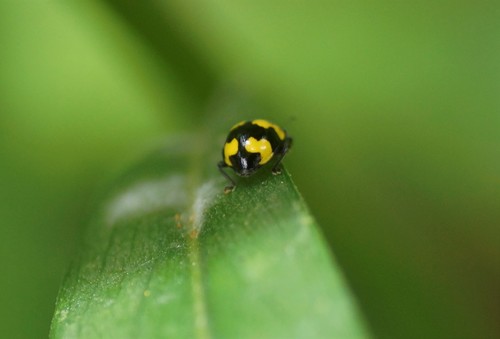
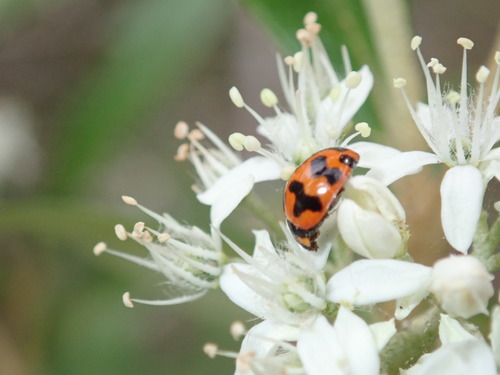
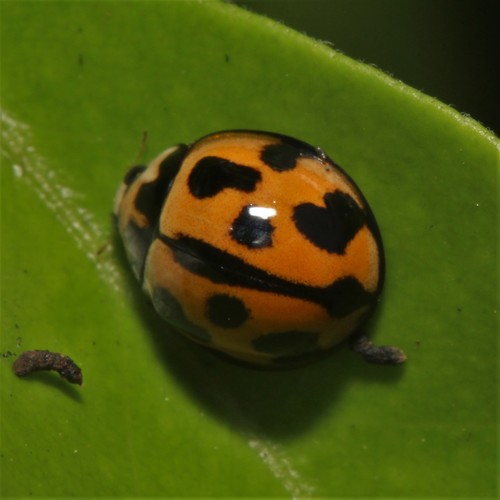
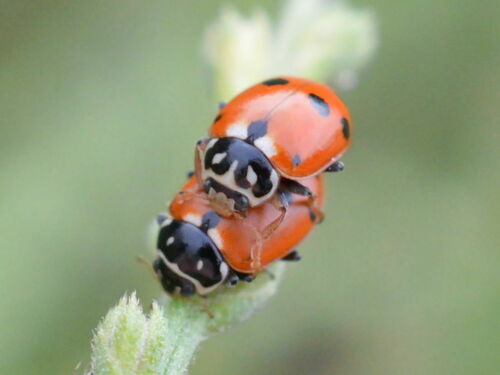
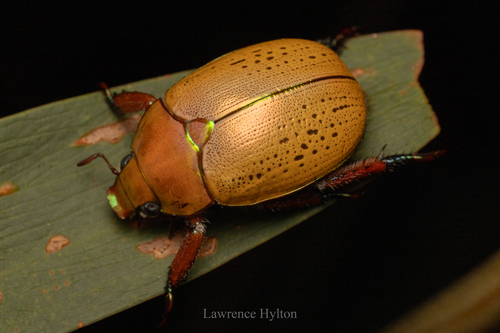
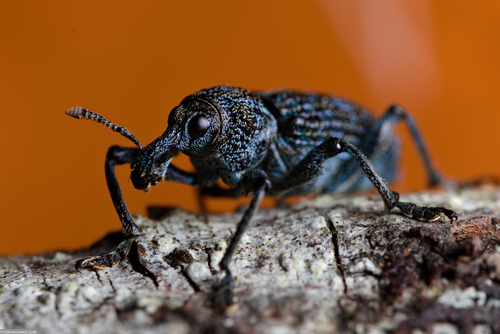
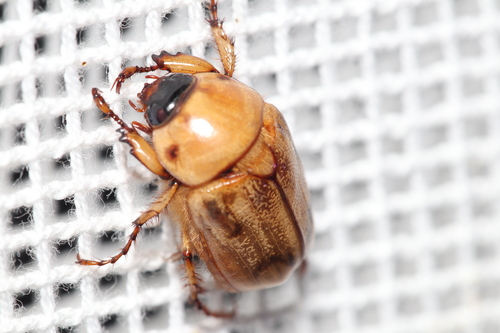
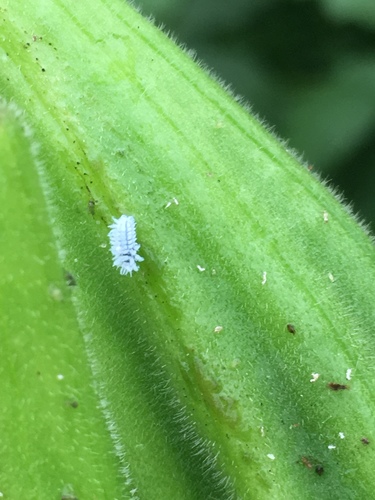
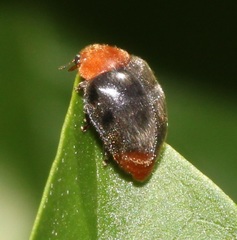
Cryptolaemus montrouzieri can reach a length of about 6 millimetres (0.24 in). Adults of this species have the typical ladybird shape but, unlike many of the often brightly coloured Coccinellidae, the elytra of these small ladybirds are predominantly dark brown and have no spots. Head, antennae, pronotum, the end of the elytra and the legs are orange-brown. Larvae can reach a length of 14–15 millimetres (0.55–0.59 in). They show... Wikipedia →
Global Distribution

Parks Where Found

# Park Country Daily sighting probability
1 Taroko National Park 🇹🇼 Taiwan
~10%
2 Royal National Park 🇦🇺 Australia
~10%
3 Blue Mountains National Park 🇦🇺 Australia
<5%
4 Table Mountain National Park 🇿🇦 South Africa
<5%

Cities Where Found

# City Country Daily sighting probability
1 Brisbane 🇦🇺 Australia
~10%
2 Tel Aviv 🇮🇱 Israel
~10%
3 Sydney 🇦🇺 Australia
~10%
4 Valencia 🇪🇸 Spain
~10%
5 Auckland 🇳🇿 New Zealand
~10%
6 Caracas 🇻🇪 Venezuela
~10%
7 Perth 🇦🇺 Australia
~10%
8 Melbourne 🇦🇺 Australia
~10%
9 Bengaluru 🇮🇳 India
~10%
10 Pretoria 🇿🇦 South Africa
~10%

Before you go

What are the chances of seeing a Mealybug Destroyer in Royal National Park?

With luck

About 10% of wildlife watchers report a Mealybug Destroyer sighting in Royal National Park on a given day, based on 6 verified sightings from GBIF citizen-science data from 2019 to 2026. It is the 128th most-seen of the 175 insects we can rate there. Over three days the chance rises to about 20%, and over a week to about 40%, if each day is a fresh chance.

When is the best time to see a Mealybug Destroyer in Royal National Park?

January

In that month about 20% of wildlife watchers report a Mealybug Destroyer in Royal National Park on a given day, against under 5% in March to December, the lowest months.

What time of day is best to see a Mealybug Destroyer?

Between 1 and 4 pm

Across all the parks we cover, that three-hour window holds the most Mealybug Destroyer sightings with a recorded time, and about 9 in 10 of them come between 6 am and 6 pm: it is a daytime animal.

Is Royal National Park the best place to see a Mealybug Destroyer?

Among the best

Of the 4 parks where we can rate Mealybug Destroyer sightings, Royal National Park ranks 2nd at about 10%, level with the leaders once rounded. The best odds are in Taroko National Park (Taiwan, about 10%).

Where does the Mealybug Destroyer sighting chance come from?

GBIF citizen-science records

It is estimated from how often the Mealybug Destroyer is recorded against all the insects logged in Royal National Park (6 verified sightings from 2019 to 2026), calibrated against known sighting rates. Figures are rounded to the nearest 10% because citizen-science data supports honest approximations, not decimals, and months with records from fewer than five people show "—". How it works.

← Back to Royal National Park