Ferocious Polybia Wasp

Ferocious Polybia Wasp

Polybia rejecta

Daily sighting probability ~20% · Possible
at Serra dos Órgãos National Park

In 3 days ~40% in a week ~70%

9 Verified sightings at Serra dos Órgãos National Park From 2019 to 2026
47 In all 5 parks
January Best month
☀️ Diurnal When it's spotted

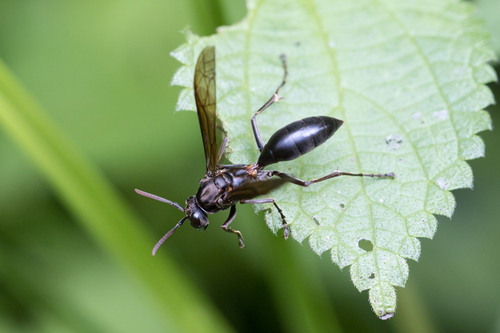
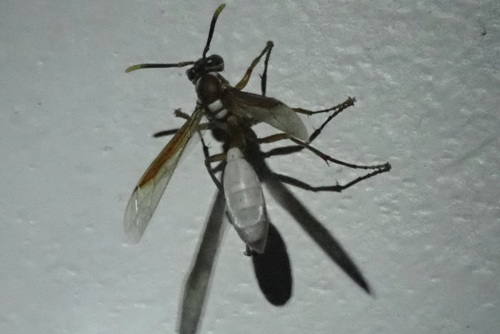
About the Ferocious Polybia Wasp

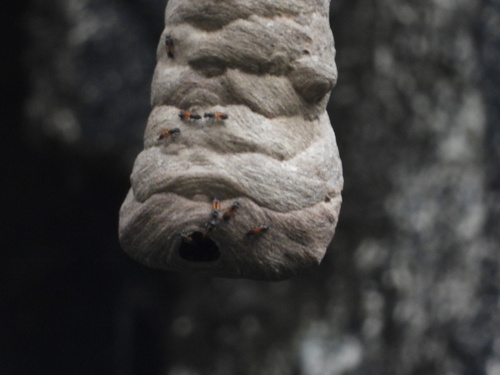
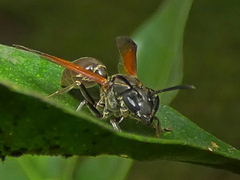
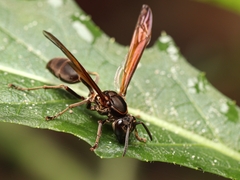
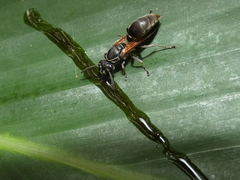
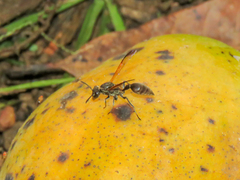
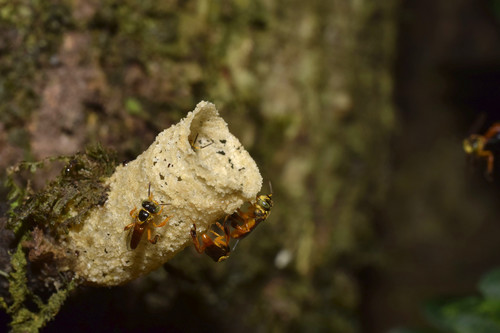
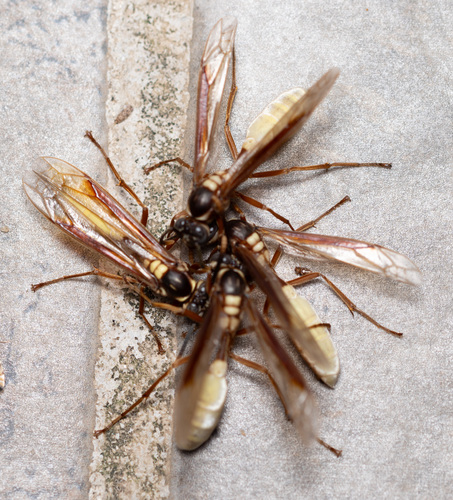
Polybia rejecta is a species of social wasp found in the Neotropics region of the world. It was first described by Fabricius in South America in the 1790s. The wasp is associated with many other organisms, particularly specific species of ants and birds such as the Azteca ants and the cacique birds. This association is most beneficial to the ants and birds because of the aggressive protective nature of the wasp. The wasps will protect their nest even if it means death against any predator that approaches it and therefore this means that the association also protects the ants and birds. Additionally, the wasp is known for eating the eggs of red-eyed tree frogs as a main way of subsistence. It also, like many other wasp species, has a caste system of queens and workers that is evident by difference in body size among the wasps; the biggest female becomes the queen.

Polybia rejecta is a social wasp in the genus Polybia, which is composed of eusocial wasps in South America, particularly Brazil and Argentina. The eusocial characteristics seen in this wasp species are the presence of cooperative brood care, division of labor between non-reproductive and reproductive... Wikipedia →

Global Distribution

Parks Where Found

# Park Country Daily sighting probability
1 Serra dos Órgãos National Park 🇧🇷 Brazil
~20%
2 Tijuca National Park 🇧🇷 Brazil
~10%
3 Manu National Park 🇵🇪 Peru
~10%
4 Soberanía National Park 🇵🇦 Panama
~10%
5 Parque Natural Metropolitano 🇵🇦 Panama
<5%

Cities Where Found

# City Country Daily sighting probability
1 Recife 🇧🇷 Brazil
~10%
2 Vitória 🇧🇷 Brazil
~10%
3 Rio de Janeiro 🇧🇷 Brazil
~10%
4 San José 🇨🇷 Costa Rica
<5%

Before you go

What are the chances of seeing a Ferocious Polybia Wasp in Serra dos Órgãos National Park?

Possible

About 20% of wildlife watchers report a Ferocious Polybia Wasp sighting in Serra dos Órgãos National Park on a given day, based on 9 verified sightings from GBIF citizen-science data from 2019 to 2026. It is the 29th most-seen of the 117 insects we can rate there. Over three days the chance rises to about 40%, and over a week to about 70%, if each day is a fresh chance.

When is the best time to see a Ferocious Polybia Wasp in Serra dos Órgãos National Park?

January and April

In those months about 30% of wildlife watchers report a Ferocious Polybia Wasp in Serra dos Órgãos National Park on a given day, against under 5% in February, June and September–November, the lowest months.

What time of day is best to see a Ferocious Polybia Wasp?

Between 10 am and 1 pm

Across all the parks we cover, that three-hour window holds the most Ferocious Polybia Wasp sightings with a recorded time, and about 9 in 10 of them come between 6 am and 6 pm: it is a daytime animal.

Is Serra dos Órgãos National Park the best place to see a Ferocious Polybia Wasp?

Yes

Of the 5 parks where we can rate Ferocious Polybia Wasp sightings, Serra dos Órgãos National Park has the highest daily chance: about 20%. Next come Tijuca National Park (Brazil, about 10%) and Manu National Park (Peru, about 10%).

Which relatives of the Ferocious Polybia Wasp live in Serra dos Órgãos National Park?

Same order: Hymenoptera

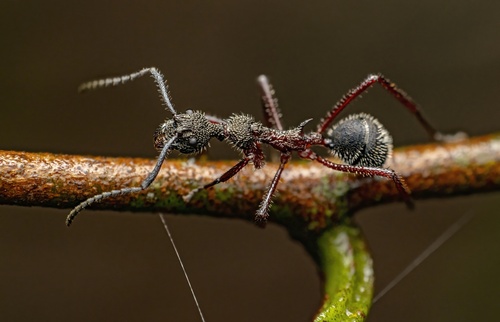
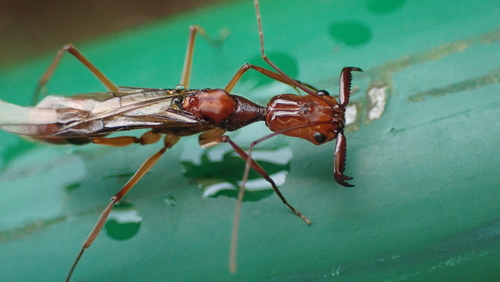
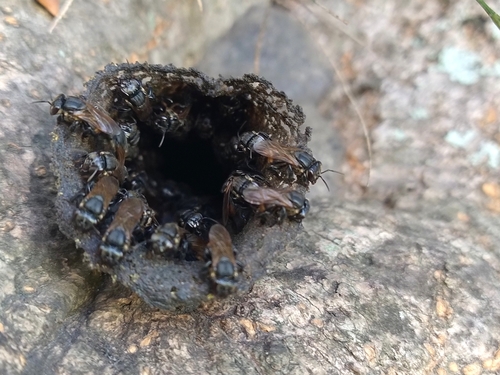
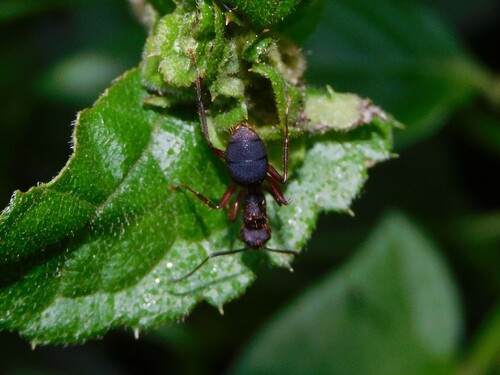
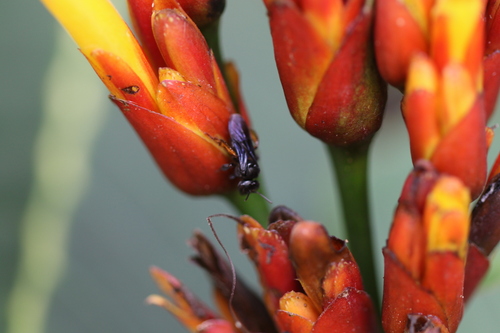
The closest relatives of the Ferocious Polybia Wasp that you can see in Serra dos Órgãos National Park (order Hymenoptera, Ants, Bees, Wasps, and Sawflies) are Dolichoderus attelaboides (about 20%), Odontomachus hastatus (about 20%) and Brazilian Robust-Stingless Bee (about 20%), with each one's daily chance of a sighting.

Where does the Ferocious Polybia Wasp sighting chance come from?

GBIF citizen-science records

It is estimated from how often the Ferocious Polybia Wasp is recorded against all the insects logged in Serra dos Órgãos National Park (9 verified sightings from 2019 to 2026), calibrated against known sighting rates. Figures are rounded to the nearest 10% because citizen-science data supports honest approximations, not decimals, and months with records from fewer than five people show "—". How it works.

← Back to Serra dos Órgãos National Park