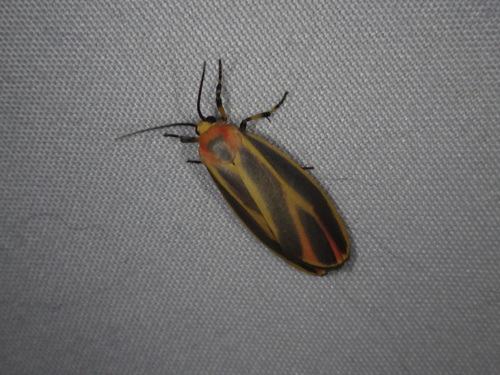
Hickory Tussock Moth

Hickory Tussock Moth

Lophocampa caryae

Daily sighting probability ~30% · Possible
at Shenandoah National Park

In 3 days ~60% in a week ~90%

151 Verified sightings at Shenandoah National Park From 2019 to 2026
453 In all 4 parks
October Best month
☀️ Diurnal When it's spotted

About the Hickory Tussock Moth

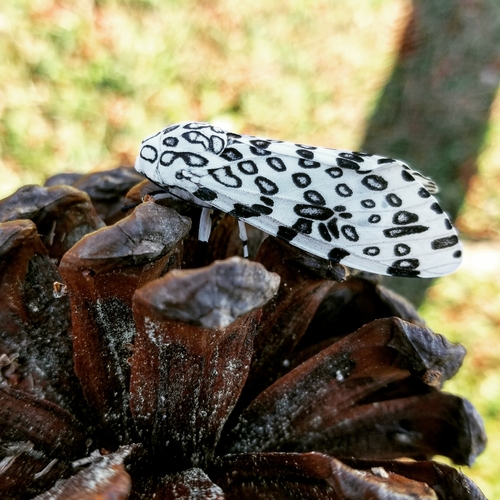
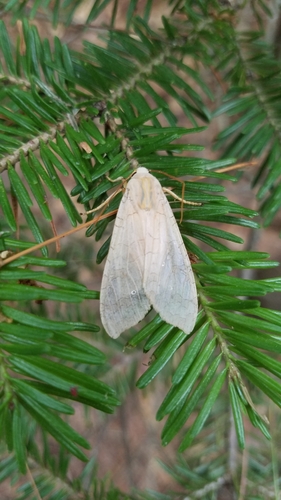
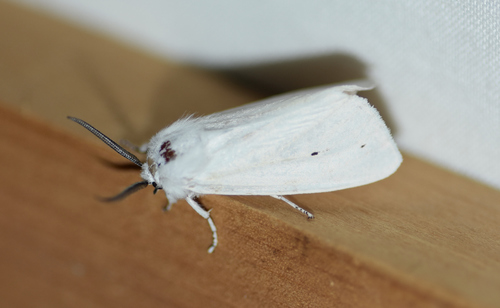
Lophocampa caryae, the hickory tiger moth, hickory tussock moth, or hickory halisidota, is a moth in the family Erebidae and the tribe Arctiini, the tiger moths. The species is widely distributed in the eastern half of North America. In other species in this family, the caterpillars acquire chemical defenses from their host plants, so they are potentially toxic or unpalatable, but despite anecdotal claims that this species may also be venomous, no venom has yet been isolated or identified; adverse reactions are characterized as irritant contact dermatitis.

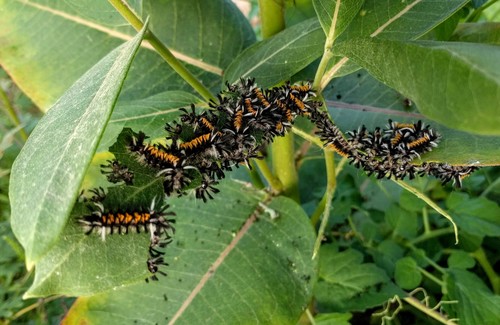
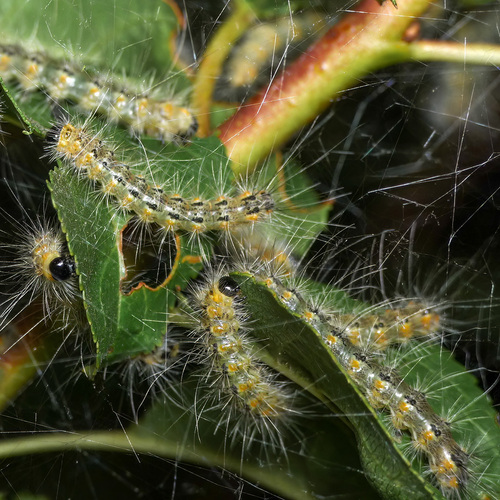
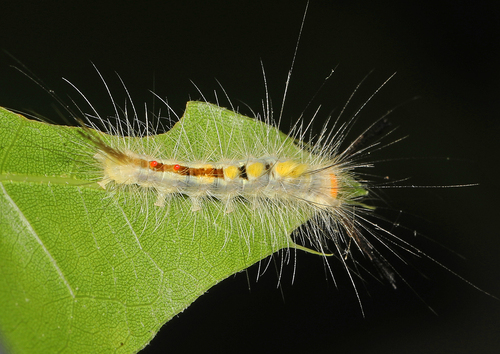
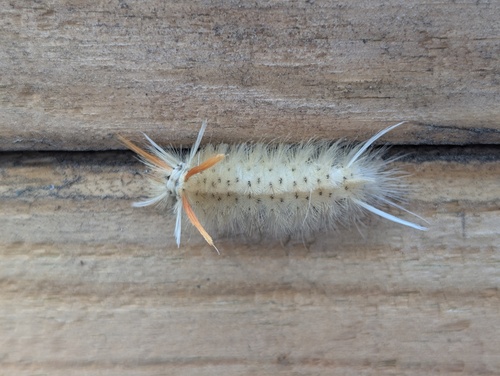
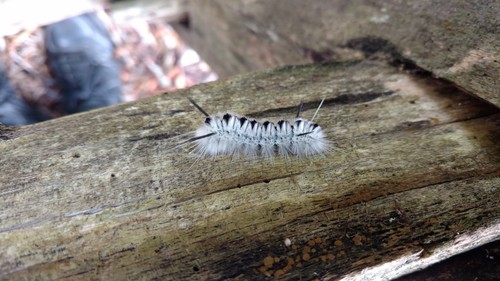
There is one generation per year. The larva, a caterpillar, is completely covered in long, hairlike setae arranged in spreading tufts. Most are white, but there are black tufts along the middle of the back, and four long black hair pencils, two near the front, and two near the back. There are black spots along the sides, and the head capsule is black. The hairs cause itchy rashes (contact dermatitis) in many people, particularly those prone to allergies, and may resemble exposure to urushiol. They are microscopically barbed and may rarely cause serious medical complications if they are transferred from... Wikipedia →

Global Distribution

Parks Where Found

# Park Country Daily sighting probability
1 Acadia National Park 🇺🇸 United States
~30%
2 Shenandoah National Park 🇺🇸 United States
~30%
3 Point Pelee National Park 🇨🇦 Canada
~20%
4 Great Smoky Mountains National Park 🇺🇸 United States
~10%

Cities Where Found

# City Country Daily sighting probability
1 Toronto 🇨🇦 Canada
~10%
2 Montreal 🇨🇦 Canada
~10%
3 Detroit 🇺🇸 United States
~10%
4 Boston 🇺🇸 United States
<5%

Before you go

What are the chances of seeing a Hickory Tussock Moth in Shenandoah National Park?

Possible

About 30% of wildlife watchers report a Hickory Tussock Moth sighting in Shenandoah National Park on a given day, based on 151 verified sightings from GBIF citizen-science data from 2019 to 2026. It is the 14th most-seen of the 723 insects we can rate there. Over three days the chance rises to about 60%, and over a week to about 90%, if each day is a fresh chance.

When is the best time to see a Hickory Tussock Moth in Shenandoah National Park?

October

In that month about 60% of wildlife watchers report a Hickory Tussock Moth in Shenandoah National Park on a given day, against under 5% in June and December–April, the lowest months.

What time of day is best to see a Hickory Tussock Moth?

Between 10 am and 1 pm

Across all the parks we cover, that three-hour window holds the most Hickory Tussock Moth sightings with a recorded time, and about 9 in 10 of them come between 6 am and 6 pm: it is a daytime animal.

Is Shenandoah National Park the best place to see a Hickory Tussock Moth?

Among the best

Of the 4 parks where we can rate Hickory Tussock Moth sightings, Shenandoah National Park ranks 2nd at about 30%, level with the leaders once rounded. The best odds are in Acadia National Park (United States, about 30%).

Which relatives of the Hickory Tussock Moth live in Shenandoah National Park?

Same family: Erebidae

The closest relatives of the Hickory Tussock Moth that you can see in Shenandoah National Park (family Erebidae, Underwing, Tiger, Tussock, and Allied Moths) are Spongy Moth (about 40%), Isabella Tiger Moth (about 30%) and Milkweed Tussock Moth (about 30%), with each one's daily chance of a sighting.

Where does the Hickory Tussock Moth sighting chance come from?

GBIF citizen-science records

It is estimated from how often the Hickory Tussock Moth is recorded against all the insects logged in Shenandoah National Park (151 verified sightings from 2019 to 2026), calibrated against known sighting rates. Figures are rounded to the nearest 10% because citizen-science data supports honest approximations, not decimals, and months with records from fewer than five people show "—". How it works.

← Back to Shenandoah National Park