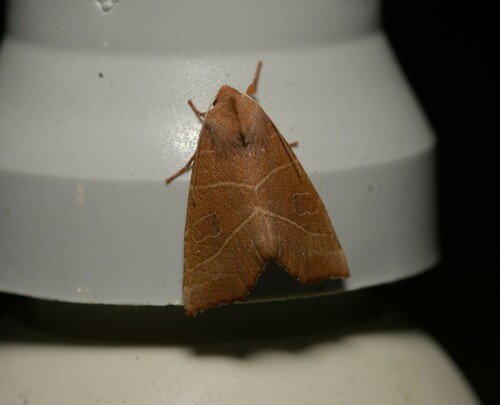
Lunar Underwing

Lunar Underwing

Agrochola lunosa

Daily sighting probability ~10% · With luck
at Sierra de Guadarrama National Park

In 3 days ~20% in a week ~30%

18 Verified sightings at Sierra de Guadarrama National Park From 2019 to 2026
36 In all 3 parks
October Best month
☀️🌙 Day & Night When it's spotted

About the Lunar Underwing

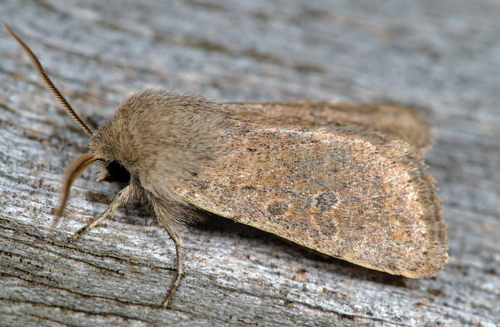
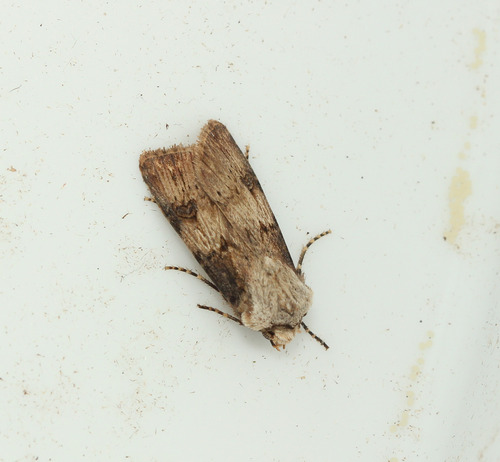
The lunar underwing (Omphaloscelis lunosa) is a moth of the family Noctuidae. The species was first described by Adrian Hardy Haworth in 1809. It has a scattered distribution in western Europe including Spain, Scandinavia and Algeria.

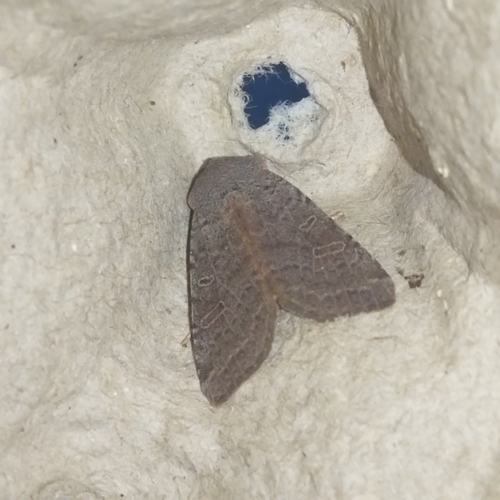
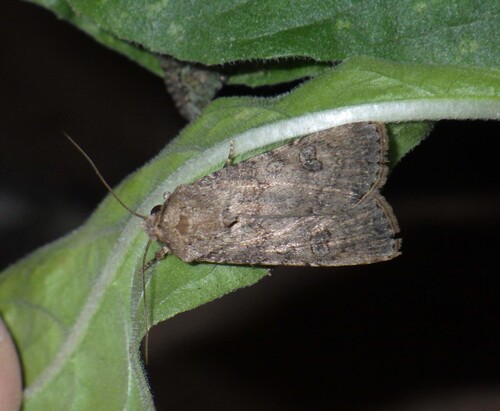
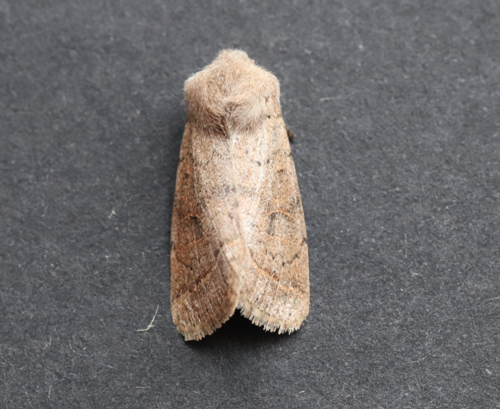
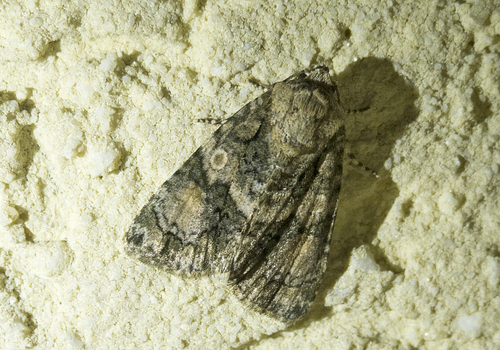
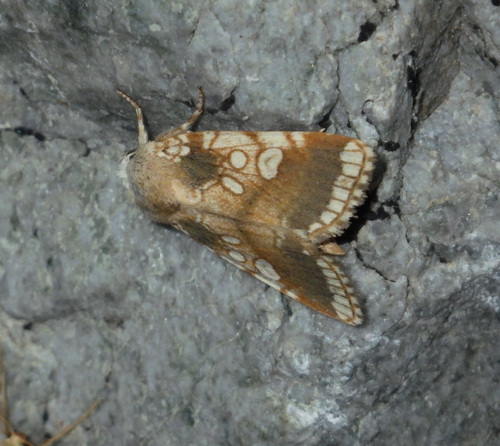
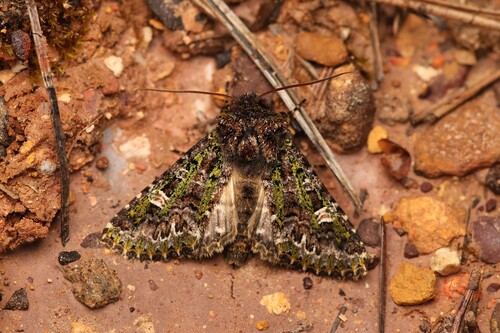
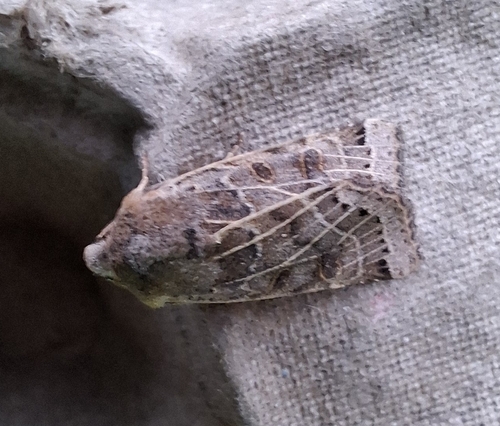
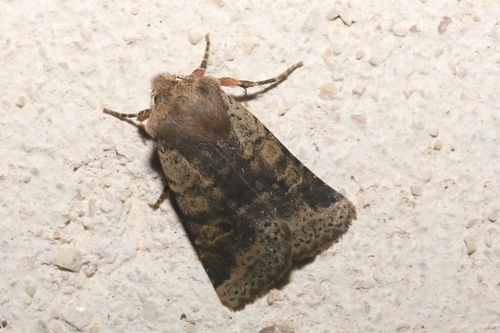
This is a variable species, the forewings ranging from pale buff to dark brown although the paler forms are generally more common. The forewings are usually marked with two dark stigmata and a black streak near the apex. The hindwings are whitish marked with a dark moon-shaped crescent on the hindwing is partially diagnostic and which gives the moth its English name.

The wingspan is 32–38 mm. Forewing varying from pale greyish ochreous to rufous and dark purple brown, the veins generally pale; upper stigmata distinct and filled up with dark, with distinct pale outlines; inner and outer lines double with paler centres, the inner obliquely curved out, the outer simply sinuous; submarginal line pale, preceded by a row of dark spots, and on costa by a black blotch or bar; hindwing whitish, suffused with grey, especially in the female, with large grey cell spot and interrupted submarginal band. The type form is dull red without pale veins... Wikipedia →
Global Distribution

Parks Where Found

# Park Country Daily sighting probability
1 Sierra de Guadarrama National Park 🇪🇸 Spain
~10%
2 Pyrénées National Park 🇫🇷 France
<5%
3 Wadden Sea National Park 🇩🇪 Germany
<5%

Cities Where Found

# City Country Daily sighting probability
1 London 🇬🇧 United Kingdom
~10%
2 Birmingham 🇬🇧 United Kingdom
~10%
3 Porto 🇵🇹 Portugal
~10%
4 Manchester 🇬🇧 United Kingdom
<5%
5 Washington 🇺🇸 United States
<5%

Before you go

What are the chances of seeing a Lunar Underwing in Sierra de Guadarrama National Park?

With luck

About 10% of wildlife watchers report a Lunar Underwing sighting in Sierra de Guadarrama National Park on a given day, based on 18 verified sightings from GBIF citizen-science data from 2019 to 2026. It is the 258th most-seen of the 597 insects we can rate there. Over three days the chance rises to about 20%, and over a week to about 30%, if each day is a fresh chance.

When is the best time to see a Lunar Underwing in Sierra de Guadarrama National Park?

October

In that month about 20% of wildlife watchers report a Lunar Underwing in Sierra de Guadarrama National Park on a given day, against under 5% in December to August, the lowest months.

What time of day is best to see a Lunar Underwing?

Between 6 and 9 am

Across all the parks we cover, that three-hour window holds the most Lunar Underwing sightings with a recorded time, and about half of them come between 6 pm and 6 am: it is seen both by day and at night.

Is Sierra de Guadarrama National Park the best place to see a Lunar Underwing?

Yes

Of the 3 parks where we can rate Lunar Underwing sightings, Sierra de Guadarrama National Park has the highest daily chance: about 10%. Next come Pyrénées National Park (France, under 5%) and Wadden Sea National Park (Germany, under 5%).

Which relatives of the Lunar Underwing live in Sierra de Guadarrama National Park?

Same genus: Agrochola

The closest relatives of the Lunar Underwing that you can see in Sierra de Guadarrama National Park (genus Agrochola) are Agrochola ruticilla (about 10%) and Beaded Chestnut (about 10%), with each one's daily chance of a sighting.

Where does the Lunar Underwing sighting chance come from?

GBIF citizen-science records

It is estimated from how often the Lunar Underwing is recorded against all the insects logged in Sierra de Guadarrama National Park (18 verified sightings from 2019 to 2026), calibrated against known sighting rates. Figures are rounded to the nearest 10% because citizen-science data supports honest approximations, not decimals, and months with records from fewer than five people show "—". How it works.

← Back to Sierra de Guadarrama National Park