Cockscomb Basin Wildlife Sanctuary
🇧🇿 Belize
Stann Creek, Belize 860 spp. recorded
Cockscomb was the first protected area in the world created for jaguars, and they are still here: recorded on about one visit in five, mostly as tracks on the trails at first light.
16.749° N 88.671° W
🦜 Nature

417 Species sighted
55,332 Verified sightings From 2019 to 2026
Feb Best month
⭐ Iconic Species


📊 Most Spotted


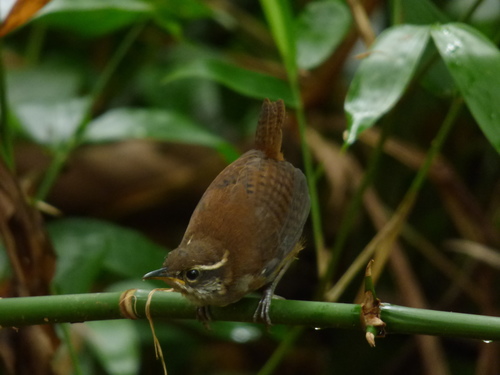


⭐ Iconic Species
📊 Most Spotted


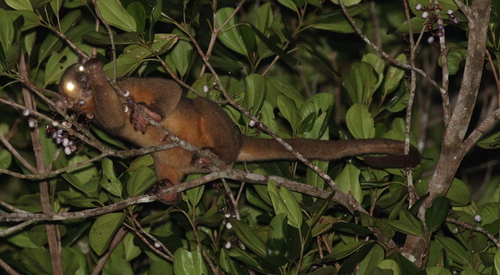


⭐ Iconic Species
📊 Most Spotted


📊 Most Spotted


📊 Most Spotted


📊 Most Spotted
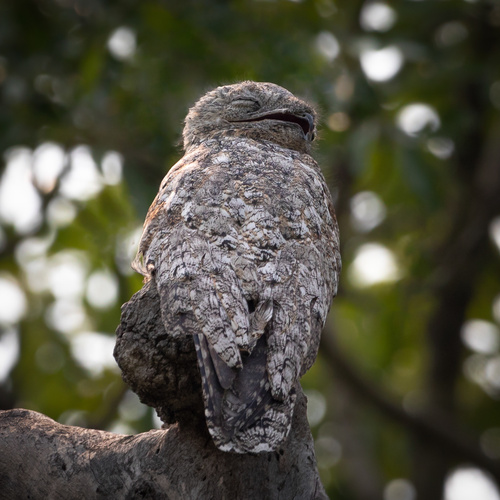
🌙 Most active after dark



+ 514 more species with insufficient data
Recent sightings in Cockscomb Basin Wildlife Sanctuary
LIVEiNaturalistSighting Calendar
How many species you'd see in a day
44Jan
60Feb
57Mar
57Apr
43May
49Jun
54Jul
43Aug
40Sep
47Oct
46Nov
45Dec
Sighting Zones
Warmer areas are where all species together are recorded most often.
-
Bfree
Daily sight. prob.vs avg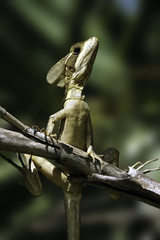 Brown Basilisk~70%≈
 White-lipped Mud Turtle~60%+20%
 Red Coffee Snake~60%+20%
 Yucatán Banded Gecko~60%+20%
 Fer-de-lance~60%+20%
 Middle American Ameiva~60%+10%
 Spot-breasted Wren~50%-20%
 Giant Marine Toad~50%+10%
 Central American Gulf Coast Toad~50%+20%
 Short-billed Pigeon~50%-10%
 Clay-colored Thrush~50%≈
 Vaillant's Frog~50%+20%
-
Visitor centre
Daily sight. prob.vs avg- Brown Basilisk~80%+10%
- Spot-breasted Wren~60%-10%
- Giant Marine Toad~60%+10%
- Middle American Ameiva~60%+10%
 Rufous-tailed Hummingbird~50%-10%
 White-collared Manakin~50%-10%
 White-nosed Coati~50%+20%
- Red Coffee Snake~50%+10%
- Short-billed Pigeon~50%-10%
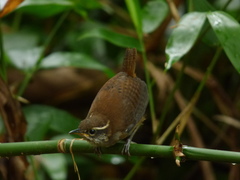 White-breasted Wood-Wren~50%-10%
 Gray Catbird~50%-10%
 Great Kiskadee~40%-20%
🏕️ Experience
Essentials
Entrance
Paid
Tourism
Low
Typical stay
1–2
daysTrails
Moderate
World Heritage
No
Climate
Temp °C Rain mm
JanFebMarAprMayJunJulAugSepOctNovDec
0.0 Excellent
Wallace's Line Score
How good is this park for seeing wildlife? 🦜
Biodiversity
GoodHow rich is the wildlife?
3.6
Species by taxon
🦅 Birds 535
🐒 Mammals 157
🦎 Reptiles 124
🐸 Amphibians 44
860 Total Species
828 Global average across 316 parks
19 Threatened 69 Endemic
🔭
Sighting
Very goodHow likely to see animals?
3.9
🎯
Top-12 Avg Probability
61% 📊
Coverage (259 species at ≥5% of 860 in the inventory)
30% 🔀
Taxon variety in top 12 (11 bird, 1 reptile)
20% 🔭
Species per 10 outings (distinct species a visitor would meet over 10 outings — effort held equal across parks)
166 🌟
Iconic-group species (≥15%) (every species from the 19 iconic groups — monkeys, cats, toucans, macaws, sloths, crocodilians… — not just the 4 highlighted above)
21 ⭐
High-prob species (>40%)
34 🏕️
Experience
Very goodHow easy and pleasant is the visit?
4.0
Climate Pleasant High
Entrance Paid Low
Tourism Medium Medium
Trails Moderate Medium
World Heritage No —
What visitors say
Just outside the visitor center we saw some very colorful birds, both the smaller Golden-hooded Tanager and an Olive-backed Euphonia were spending time together in the same tree, they reminded me of the colorful warblers that also spend time in Central America and then travel up to the PNW in summer time.
Throughout the hike, our guide pointed out a mesmerizing array of nocturnal wildlife: the elusive kinkajou climbing above us, a glimpse of a majestic ocelot slipping through the undergrowth, large tarantulas peeking from burrows, and non-venomous snakes gliding silently across the path.
It’s possible you’ll see a jaguar in Belize, and while it is highly unlikely, it’s not impossible – as we proved when we got incredibly lucky and saw one ourselves!
Before you go
What animals can you see in Cockscomb Basin Wildlife Sanctuary?
860 species
Cockscomb Basin Wildlife Sanctuary has 860 recorded vertebrate species. The ones wildlife watchers report most often on a given day are Spot-breasted Wren (about 70%), Great Kiskadee (about 60%), Rufous-tailed Hummingbird (about 60%), White-collared Manakin (about 60%) and Brown Basilisk (about 60%). Among mammals, the most-seen is Central American Red Brocket (about 40%); among amphibians, Giant Marine Toad (about 50%).
When is the best time to visit Cockscomb Basin Wildlife Sanctuary for wildlife?
February and March
In those months the park's 12 most-seen species average about 70% on a given day, against about 50% in January, May and August–October. Those are among Cockscomb Basin Wildlife Sanctuary's driest months, with about 95 mm of rain a month against 300 mm in June.
Can you see a Mexican Black Howler Monkey in Cockscomb Basin Wildlife Sanctuary?
Yes
About 30% of wildlife watchers report a Mexican Black Howler Monkey sighting in Cockscomb Basin Wildlife Sanctuary on a given day, based on 56 verified sightings from GBIF citizen-science data from 2019 to 2026. The best time is August (about 50%).
Can you see a Baird's Tapir in Cockscomb Basin Wildlife Sanctuary?
Yes
About 20% of wildlife watchers report a Baird's Tapir sighting in Cockscomb Basin Wildlife Sanctuary on a given day, based on 23 verified sightings from GBIF citizen-science data from 2019 to 2026. The best time is May and July (about 30%).
Can you see a Keel-billed Toucan in Cockscomb Basin Wildlife Sanctuary?
Yes
About 50% of wildlife watchers report a Keel-billed Toucan sighting in Cockscomb Basin Wildlife Sanctuary on a given day, based on 633 verified sightings from GBIF citizen-science data from 2019 to 2026. The best time is February and April (about 60%).
Where in Cockscomb Basin Wildlife Sanctuary is wildlife easiest to see?
Around Bfree
The richest sighting zone is around Bfree, followed by Visitor centre, ranked by how many of the park's headline animals visitors can expect to see in each. See the zones on the map.
Is Cockscomb Basin Wildlife Sanctuary good for wildlife watching?
3.9 out of 5
On the Wallace's Line Score, Cockscomb Basin Wildlife Sanctuary rates 3.9/5: 130th of 316 parks worldwide and 18th in Central America. 50 of its species are reported by about 40% or more of wildlife watchers on a given day.


