Green Pug

Green Pug

Pasiphila rectangulata

Daily sighting probability ~10% · With luck
at Wadden Sea National Park

In 3 days ~10% in a week ~30%

36 Verified sightings at Wadden Sea National Park From 2019 to 2026
69 In all 5 parks
June Best month
🌅 Crepuscular When it's spotted

About the Green Pug

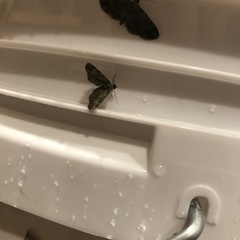
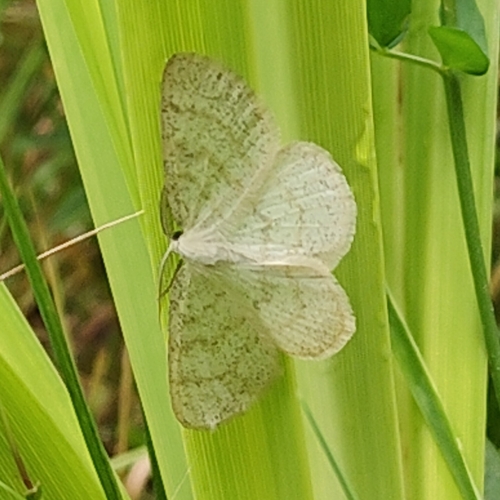
The green pug (Pasiphila rectangulata) is a moth of the family Geometridae. It is sometimes placed in the genus Chloroclystis or Rhinoprora. It is common throughout the Palearctic region (from Ireland to Japan) and the Near East, but also appears in North America.

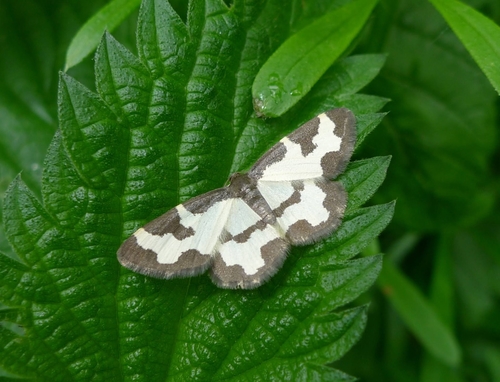
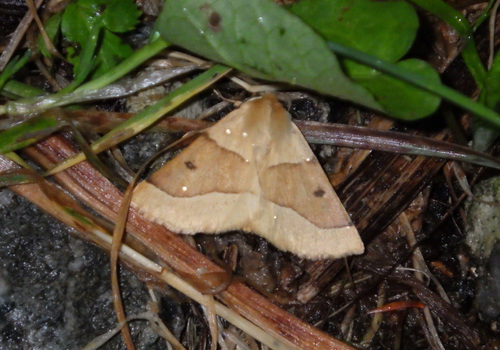
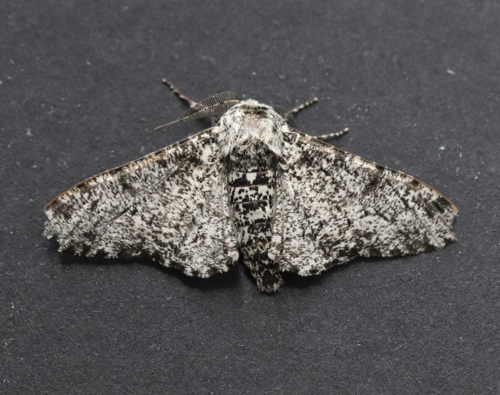
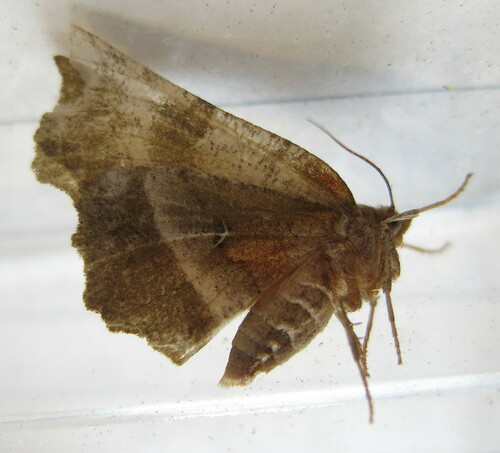
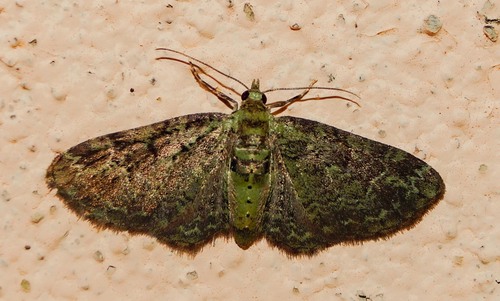
Typically this species has green wings with distinct dark bars but it can be quite variable and is often mostly dark brown with little green. The green coloration also fades over time. "Green, more or less dulled with black, the lines black, the postmedian forming sharper angles than in the two following (C. debiliata, C. agitata). Underside very sharply marked. - In ab. subaerata Hbn. the black markings are reduced, only the antemedian and the postmedian line developed. -In ab. cydoniata Bkh. the black is increased, particularly in the median area. - ab. cydoniata is entirely or almost entirely black."

It flies at night in June and July and is attracted to light. The stout larva is green with a reddish stripe and feeds on the flowers of various Rosaceae including apple, blackthorn, cherry, hawthorn, pear and quince. The species overwinters as an egg. Wikipedia →
Global Distribution

Parks Where Found

# Park Country Daily sighting probability
1 Bavarian Forest National Park 🇩🇪 Germany
~10%
2 Wadden Sea National Park 🇩🇪 Germany
~10%
3 Acadia National Park 🇺🇸 United States
<5%
4 Cévennes National Park 🇫🇷 France
<5%
5 Pyrénées National Park 🇫🇷 France
<5%

Cities Where Found

# City Country Daily sighting probability
1 London 🇬🇧 United Kingdom
~10%
2 Liverpool 🇬🇧 United Kingdom
~10%
3 Birmingham 🇬🇧 United Kingdom
~10%
4 Montreal 🇨🇦 Canada
<5%
5 Toronto 🇨🇦 Canada
<5%
6 Manchester 🇬🇧 United Kingdom
<5%
7 Helsinki 🇫🇮 Finland
<5%
8 Kyiv 🇺🇦 Ukraine
<5%
9 Boston 🇺🇸 United States
<5%
10 Berlin 🇩🇪 Germany
<5%

Before you go

What are the chances of seeing a Green Pug in Wadden Sea National Park?

With luck

About 10% of wildlife watchers report a Green Pug sighting in Wadden Sea National Park on a given day, based on 36 verified sightings from GBIF citizen-science data from 2019 to 2026. It is the 318th most-seen of the 818 insects we can rate there. Over three days the chance rises to about 10%, and over a week to about 30%, if each day is a fresh chance.

When is the best time to see a Green Pug in Wadden Sea National Park?

June and July

In those months about 10% of wildlife watchers report a Green Pug in Wadden Sea National Park on a given day, against under 5% in August to May, the lowest months.

What time of day is best to see a Green Pug?

Between 6 and 9 am

Across all the parks we cover, that three-hour window holds the most Green Pug sightings with a recorded time, and about 6 in 10 of them come between 6 am and 6 pm: it is most active around dawn and dusk.

Is Wadden Sea National Park the best place to see a Green Pug?

Among the best

Of the 5 parks where we can rate Green Pug sightings, Wadden Sea National Park ranks 2nd at about 10%, level with the leaders once rounded. The best odds are in Bavarian Forest National Park (Germany, about 10%).

Which relatives of the Green Pug live in Wadden Sea National Park?

Same family: Geometridae

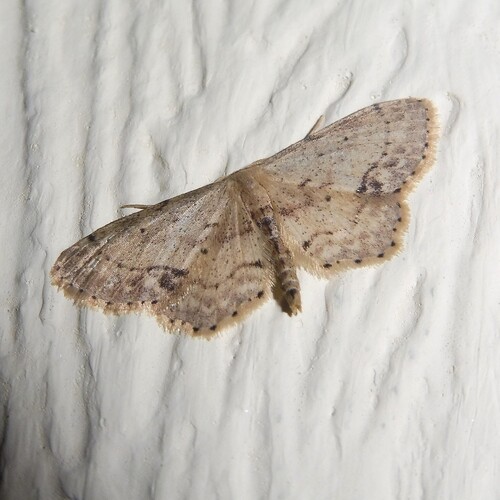
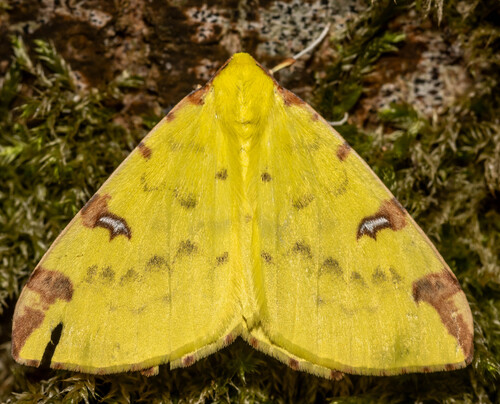
The closest relatives of the Green Pug that you can see in Wadden Sea National Park (family Geometridae, Geometer Moths) are Riband Wave (about 10%), Yellow Shell Moth (about 10%) and Small Engrailed (about 10%), with each one's daily chance of a sighting.

Where does the Green Pug sighting chance come from?

GBIF citizen-science records

It is estimated from how often the Green Pug is recorded against all the insects logged in Wadden Sea National Park (36 verified sightings from 2019 to 2026), calibrated against known sighting rates. Figures are rounded to the nearest 10% because citizen-science data supports honest approximations, not decimals, and months with records from fewer than five people show "—". How it works.

← Back to Wadden Sea National Park