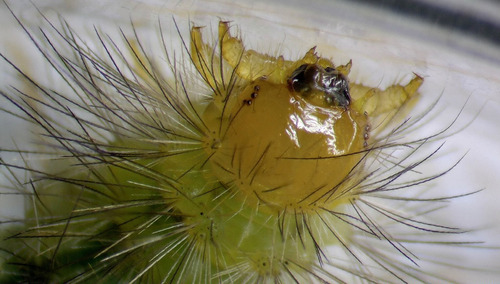
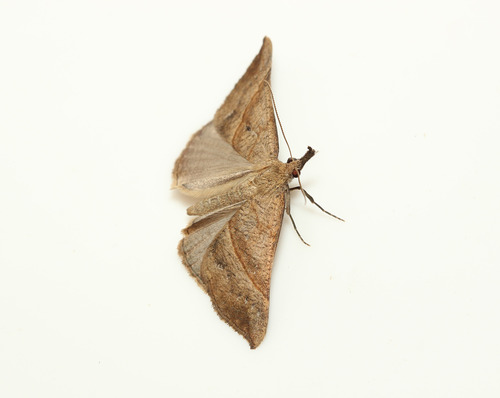
Red Underwing
Daily sighting probability ~10% · With luck
at Wadden Sea National Park

In 3 days ~10% in a week ~30%

18 Verified sightings at Wadden Sea National Park From 2019 to 2026
42 In all 4 parks
August Best month
☀️🌙 Day & Night When it's spotted

About the Red Underwing

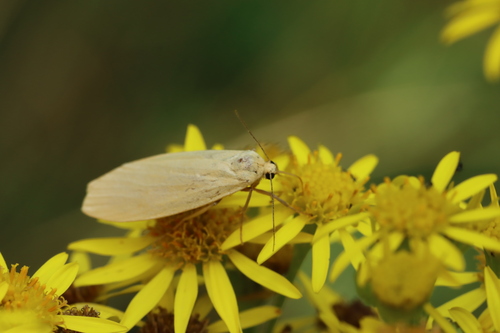
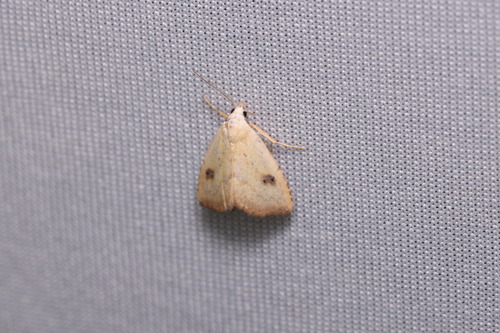
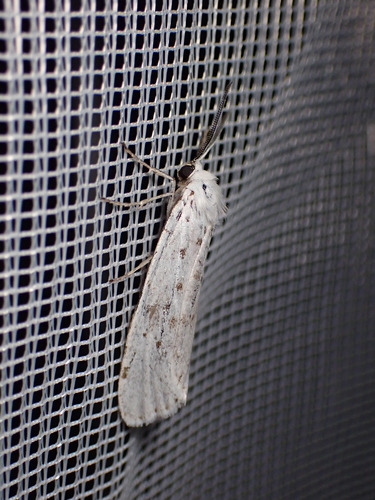
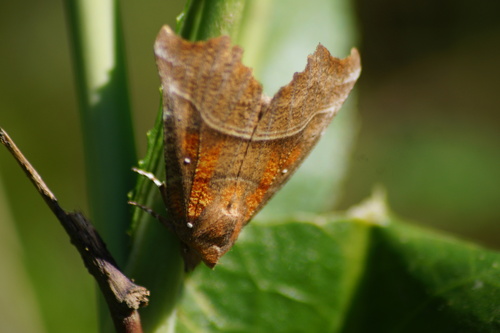
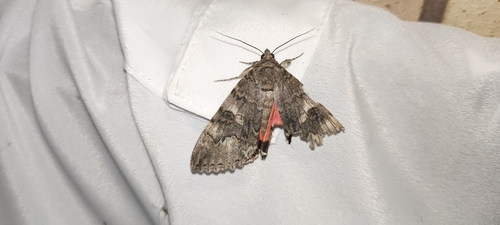
The red underwing (Catocala nupta) is a moth of the family Erebidae. The species was first described by Carl Linnaeus in his 1767 12th edition of Systema Naturae. This is a large (80 mm wingspan) nocturnal Palearctic (including Europe) species which, like most noctuids, is above and with the wings closed drably coloured to aid concealment during the day. It flies in August and September, and comes freely to both light and sugar.

C. nupta L. Forewing pale grey powdered with darker grey, sometimes with dark grey banded suffusion, and in some cases yellowish-tinged; sometimes the cellspace before reniform coalescent with the spot below reniform, and a space along outer line, before it above middle and beyond it below, are all whitish: inner and outer lines double, black and grey; the outer line less oblique below middle and forming two more conspicuous angles on each side of vein 2, the lower one double, then deeply indented along vein 1 median shade generally clear and produced squarely outwards beyond the reniform, which has a thick black central lunule, a curved black inner edge, and a tridentate outer one; subterminal line pale and dark grey... Wikipedia →
Global Distribution

Parks Where Found

# Park Country Daily sighting probability
1 Wadden Sea National Park 🇩🇪 Germany
~10%
2 Bavarian Forest National Park 🇩🇪 Germany
~10%
3 Pyrénées National Park 🇫🇷 France
<5%
4 Sierra de Guadarrama National Park 🇪🇸 Spain
<5%

Cities Where Found

# City Country Daily sighting probability
1 Budapest 🇭🇺 Hungary
~10%
2 Vienna 🇦🇹 Austria
~10%
3 Belgrade 🇷🇸 Serbia
~10%
4 Kyiv 🇺🇦 Ukraine
~10%
5 Milan 🇮🇹 Italy
~10%
6 London 🇬🇧 United Kingdom
~10%
7 Birmingham 🇬🇧 United Kingdom
~10%
8 Minsk 🇧🇾 Belarus
~10%
9 Berlin 🇩🇪 Germany
~10%
10 Copenhagen 🇩🇰 Denmark
~10%

Before you go

What are the chances of seeing a Red Underwing in Wadden Sea National Park?

With luck

About 10% of wildlife watchers report a Red Underwing sighting in Wadden Sea National Park on a given day, based on 18 verified sightings from GBIF citizen-science data from 2019 to 2026. It is the 318th most-seen of the 818 insects we can rate there. Over three days the chance rises to about 10%, and over a week to about 30%, if each day is a fresh chance.

When is the best time to see a Red Underwing in Wadden Sea National Park?

August and September

In those months about 10% of wildlife watchers report a Red Underwing in Wadden Sea National Park on a given day, against under 5% in October to July, the lowest months.

What time of day is best to see a Red Underwing?

Between 3 and 6 pm

Across all the parks we cover, that three-hour window holds the most Red Underwing sightings with a recorded time, and about 7 in 10 of them come between 6 am and 6 pm: it is seen both by day and at night.

Is Wadden Sea National Park the best place to see a Red Underwing?

Yes

Of the 4 parks where we can rate Red Underwing sightings, Wadden Sea National Park has the highest daily chance: about 10%. Next come Bavarian Forest National Park (Germany, about 10%) and Pyrénées National Park (France, under 5%).

Which relatives of the Red Underwing live in Wadden Sea National Park?

Same family: Erebidae

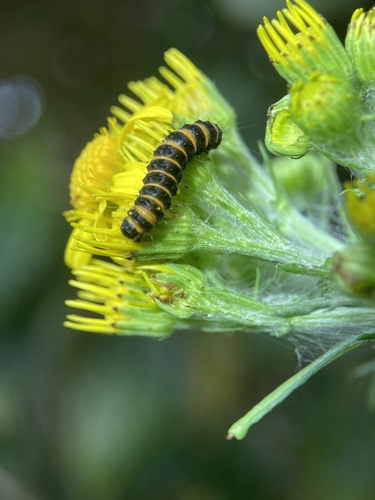
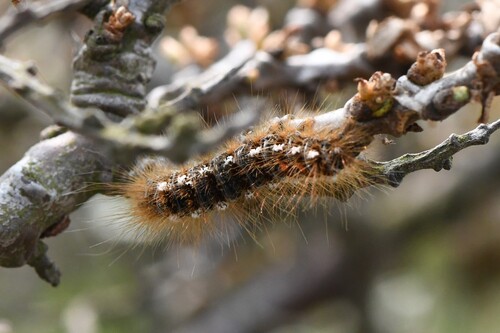
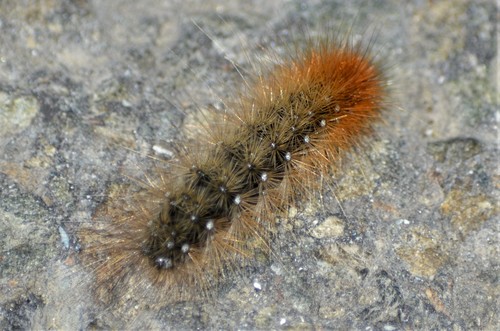
The closest relatives of the Red Underwing that you can see in Wadden Sea National Park (family Erebidae, Underwing, Tiger, Tussock, and Allied Moths) are Cinnabar Moth (about 20%), Brown-Tail Moth (about 20%) and Ruby Tiger Moth (about 10%), with each one's daily chance of a sighting.

Where does the Red Underwing sighting chance come from?

GBIF citizen-science records

It is estimated from how often the Red Underwing is recorded against all the insects logged in Wadden Sea National Park (18 verified sightings from 2019 to 2026), calibrated against known sighting rates. Figures are rounded to the nearest 10% because citizen-science data supports honest approximations, not decimals, and months with records from fewer than five people show "—". How it works.

← Back to Wadden Sea National Park