Ceylon Bloodsucker

Ceylon Bloodsucker

Calotes ceylonensis

Silhouette: Vijay Karthick · PhyloPic

LCLeast ConcernNTVUENCR
Daily sighting probability ~20% · Possible
at Yala National Park

In 3 days ~50% in a week ~80%

10 Verified sightings at Yala National Park From 2019 to 2026
36 In all 3 parks
August Best month
🌅 Crepuscular When it's spotted

About the Ceylon Bloodsucker

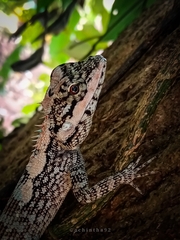
Calotes ceylonensis, commonly known as the painted-lipped lizard or the Ceylon bloodsucker, is a species of lizard in the family Agamidae. It is one of four Calotes species endemic to Sri Lanka.In Sinhalese language, it is known as "Thol Visithuru Katussa - තොල් විසිතුරු කටුස්සා"

C. ceylonensis is confined to monsoon forests, plantations, and home gardens in the dry and intermediate zones of Sri Lanka. Localities in Sri Lanka at which C. ceylonensis has been collected include Mankulam, Elahera, Nilgala, Minneriya National Park, Sigiriya, Kandalama, Laggala, Kumana National Park, Puttalam and Kumbalgamuwa, up to elevation of about 400 m (1,300 ft).

C. ceylonensis is a colorful, arboreal agamid. The length of the head is one and half times the width. The body is laterally compressed. The tail is long and slender, about or over twice the head-body length. The cheeks are swollen. Two separated spines can be seen above the tympanum. The nuchal crest is formed with low spines. Midbody scale rows number 54–60.

The dorsum is brown, with indistinct brown crossbands. The head and anterior part of body are blackish-brown. There is a bright... Wikipedia →

Global Distribution

Parks Where Found

# Park Country Daily sighting probability
1 Wilpattu National Park 🇱🇰 Sri Lanka
~40%
2 Yala National Park 🇱🇰 Sri Lanka
~20%
3 Minneriya National Park 🇱🇰 Sri Lanka
~20%

Before you go

What are the chances of seeing a Ceylon Bloodsucker in Yala National Park?

Possible

About 20% of wildlife watchers report a Ceylon Bloodsucker sighting in Yala National Park on a given day, based on 10 verified sightings from GBIF citizen-science data from 2019 to 2026. It is the 9th most-seen of the 15 reptiles we can rate there. Over three days the chance rises to about 50%, and over a week to about 80%, if each day is a fresh chance.

When is the best time to see a Ceylon Bloodsucker in Yala National Park?

July and August

In those months about 40% of wildlife watchers report a Ceylon Bloodsucker in Yala National Park on a given day, against under 5% in January–May and September–November, the lowest months. Those are among Yala National Park's driest months, with about 45 mm of rain a month against 340 mm in November.

What time of day is best to see a Ceylon Bloodsucker?

Between 6 and 9 am

Across all the parks we cover, that three-hour window holds the most Ceylon Bloodsucker sightings with a recorded time, and about 6 in 10 of them come between 6 am and 6 pm: it is most active around dawn and dusk.

Is Yala National Park the best place to see a Ceylon Bloodsucker?

2nd of 3

Of the 3 parks where we can rate Ceylon Bloodsucker sightings, Yala National Park ranks 2nd at about 20%. The best odds are in Wilpattu National Park (Sri Lanka, about 40%).

Which relatives of the Ceylon Bloodsucker live in Yala National Park?

Same genus: Calotes

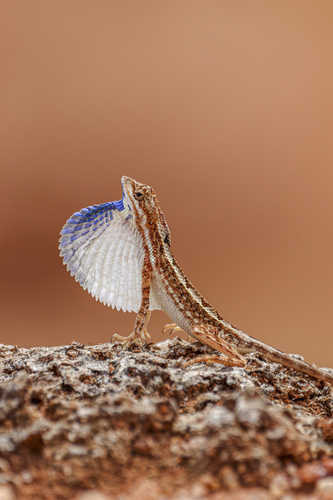
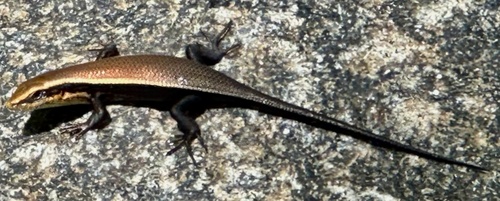
The closest relatives of the Ceylon Bloodsucker that you can see in Yala National Park (genus Calotes, Oriental Forest Lizards) are Oriental Garden Lizard (about 70%) and Common Green Forest Lizard (about 20%), with each one's daily chance of a sighting.

Where does the Ceylon Bloodsucker sighting chance come from?

GBIF citizen-science records

It is estimated from how often the Ceylon Bloodsucker is recorded against all the reptiles logged in Yala National Park (10 verified sightings from 2019 to 2026), calibrated against known sighting rates. Figures are rounded to the nearest 10% because citizen-science data supports honest approximations, not decimals, and months with records from fewer than five people show "—". How it works.

← Back to Yala National Park