



Completed


Kea
Nestor notabilis
Silhouette: Ferran Sayol · PhyloPic
- KingdomAnimalia (Animals)
- PhylumChordata (Chordates)
- ClassAves (Birds)
- OrderPsittaciformes (Parrots)
- FamilyPsittacidae (New World and African Parrots)
- GenusNestor (Kaka and Kea)
- SpeciesNestor notabilis (Kea)
In 3 days ~30% in a week ~60%
170 Verified sightings at Aoraki Mount Cook National Park From 2019 to 2026
3,781 In all 4 parks
March Best month
☀️ Diurnal When it's spotted
About the Kea
The kea ( KEE-ə; Māori: [kɛ.a]; Nestor notabilis) is a species of large parrot in the family Strigopidae that is endemic to the forested and alpine regions of the South Island of New Zealand. About 48 cm (19 in) long, it is mostly olive-green, with brilliant orange under its wings, and has a large, narrow, curved, grey-brown upper beak. Its omnivorous diet consists mainly of roots, leaves, berries, nectar, and insects, but also includes carrion. It was once killed for bounty due to concern by sheep farmers that it attacked livestock, especially sheep. The kea is now uncommon, and received absolute protection under the Wildlife Act in 1986.
The kea nests in burrows or crevices among the roots of trees. Kea are known for their intelligence and curiosity, both vital to their survival in a harsh mountain environment. Kea can solve logical puzzles, such as pushing and pulling things in a certain order to get to food, and will work together to achieve a certain objective. They have been filmed preparing and using tools.
The kea was described by ornithologist John Gould in 1856, from two specimens shown to him by Walter Mantell, who obtained the birds in Murihiku... Wikipedia →
Recent sightings of Kea in Aoraki Mount Cook National Park
LIVEiNaturalistGlobal Distribution
Parks Where Found
| # | Park | Country | Daily sighting probability |
|---|---|---|---|
| 1 | Arthur's Pass National Park | 🇳🇿 New Zealand | |
| 2 | Fiordland National Park | 🇳🇿 New Zealand | |
| 3 | Aoraki Mount Cook National Park | 🇳🇿 New Zealand | |
| 4 | Abel Tasman National Park | 🇳🇿 New Zealand |
Zoos & Centres Where Found
| # | Zoo / Centre | Country | |
|---|---|---|---|
| 1 | Disney's Animal Kingdom | 🇺🇸 United States | |
| 2 | Moscow Zoo | 🇷🇺 Russia | |
| 3 | Pairi Daiza | 🇧🇪 Belgium | |
| 4 | Prague Zoo | 🇨🇿 Czechia | |
| 5 | Basel Zoo | 🇨🇭 Switzerland | |
| 6 | Denver Zoo | 🇺🇸 United States | |
| 7 | Natura Artis Magistra | 🇳🇱 Netherlands | |
| 8 | Cleveland Metroparks Zoo | 🇺🇸 United States | |
| 9 | Cincinnati Zoo and Botanical Garden | 🇺🇸 United States | |
| 10 | Zlín-Lešná Zoo | 🇨🇿 Czechia | |
| 11 | Zoo Pilsen | 🇨🇿 Czechia | |
| 12 | Minnesota Zoo | 🇺🇸 United States | |
| 13 | Sedgwick County Zoo | 🇺🇸 United States | |
| 14 | Orana Wildlife Park | 🇳🇿 New Zealand | |
| 15 | Thüringer Zoopark Erfurt | 🇩🇪 Germany | |
| 16 | Parco Natura Viva | 🇮🇹 Italy | |
| 17 | Warsaw Zoo | 🇵🇱 Poland | |
| 18 | Burgers' Ocean | 🇳🇱 Netherlands | |
| 19 | Berlin Zoological Garden | 🇩🇪 Germany | |
| 20 | Royal Burgers' Zoo | 🇳🇱 Netherlands | |
| 21 | Woodland Park Zoo | 🇺🇸 United States | |
| 22 | Franklin Park Zoo | 🇺🇸 United States | |
| 23 | Wilhelma | 🇩🇪 Germany | |
| 24 | Allwetterzoo Münster | 🇩🇪 Germany | |
| 25 | Münster Zoo | 🇩🇪 Germany | |
| 26 | Philadelphia Zoo | 🇺🇸 United States | |
| 27 | Schönbrunn Zoo | 🇦🇹 Austria | |
| 28 | Attica Zoological Park | 🇬🇷 Greece | |
| 29 | Budapest Zoo & Botanical Garden | 🇭🇺 Hungary | |
| 30 | Łódź Zoo | 🇵🇱 Poland | |
| 31 | Auckland Zoo | 🇳🇿 New Zealand | |
| 32 | Tiergarten Straubing | 🇩🇪 Germany | |
| 33 | Birdworld | 🇬🇧 United Kingdom | |
| 34 | Loro Parque | 🇪🇸 Spain | |
| 35 | Wellington Zoo | 🇳🇿 New Zealand | |
| 36 | Staglands Wildlife Reserve | 🇳🇿 New Zealand | |
| 37 | Zoologischer Garten Halle | 🇩🇪 Germany | |
| 38 | Ménagerie du Jardin des Plantes | 🇫🇷 France | |
| 39 | Willowbank Wildlife Reserve | 🇳🇿 New Zealand | |
| 40 | Paradise Valley Springs | 🇳🇿 New Zealand | |
| 41 | Dierenpark Zie-ZOO | 🇳🇱 Netherlands | |
| 42 | Walter Zoo | 🇨🇭 Switzerland | |
| 43 | Kiwi Park | 🇳🇿 New Zealand | |
| 44 | Montecasino Bird Gardens | 🇿🇦 South Africa | |
| 45 | Tracy Aviary | 🇺🇸 United States | |
| 46 | Trevor Zoo | 🇺🇸 United States | |
| 47 | Ōtorohanga Kiwi House | 🇳🇿 New Zealand | |
| 48 | Aquarium Berlin | 🇩🇪 Germany | |
| 49 | Bristol Aquarium | 🇬🇧 United Kingdom | |
| 50 | herpetarium warszawskiego ZOO | 🇵🇱 Poland |
Closest Relatives at Aoraki Mount Cook National Park
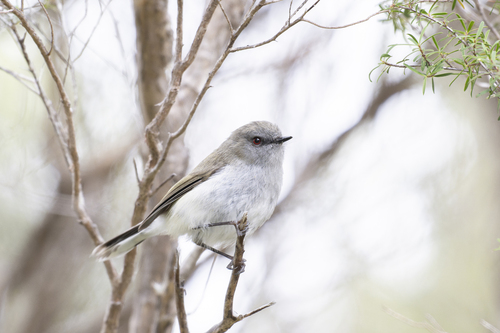
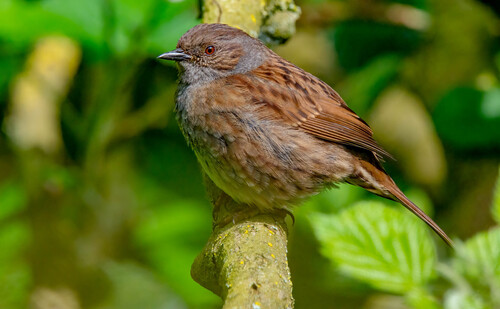
No species of the same family or order lives in Aoraki Mount Cook National Park, so these are its closest relatives here: other birds.






Before you go
What are the chances of seeing a Kea in Aoraki Mount Cook National Park?
With luck
About 10% of wildlife watchers report a Kea sighting in Aoraki Mount Cook National Park on a given day, based on 170 verified sightings from GBIF citizen-science data from 2019 to 2026. It is the 28th most-seen of the 36 birds we can rate there. Over three days the chance rises to about 30%, and over a week to about 60%, if each day is a fresh chance.
When is the best time to see a Kea in Aoraki Mount Cook National Park?
March, May and July
In those months about 20% of wildlife watchers report a Kea in Aoraki Mount Cook National Park on a given day, against under 5% in September, the lowest month.
What time of day is best to see a Kea?
Between 10 am and 1 pm
Across all the parks we cover, that three-hour window holds the most Kea sightings with a recorded time, and about 8 in 10 of them come between 6 am and 6 pm: it is a daytime animal.
Is Aoraki Mount Cook National Park the best place to see a Kea?
3rd of 4
Of the 4 parks where we can rate Kea sightings, Aoraki Mount Cook National Park ranks 3rd at about 10%. The best odds are in Arthur's Pass National Park (New Zealand, about 70%) and Fiordland National Park (New Zealand, about 40%).
Where does the Kea sighting chance come from?
GBIF citizen-science records
It is estimated from how often the Kea is recorded against all the birds logged in Aoraki Mount Cook National Park (170 verified sightings from 2019 to 2026), calibrated against known sighting rates. Figures are rounded to the nearest 10% because citizen-science data supports honest approximations, not decimals, and months with records from fewer than five people show "—". How it works.
