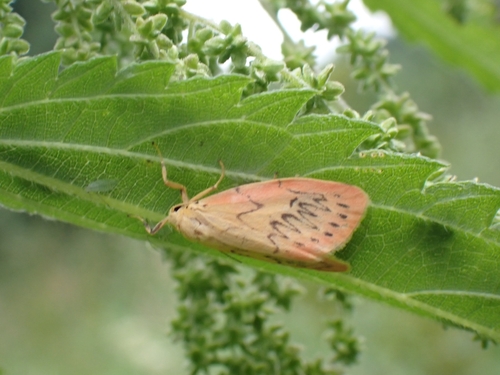
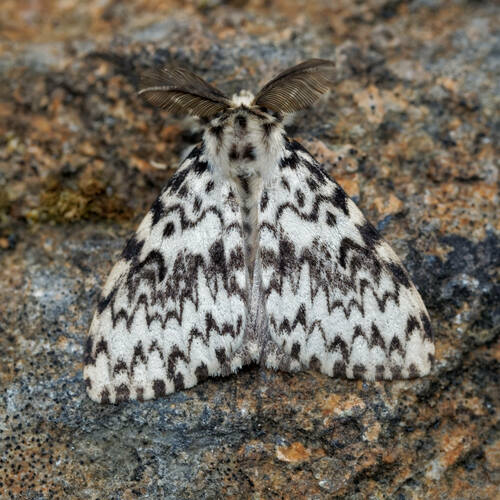
Wood Tiger

Wood Tiger

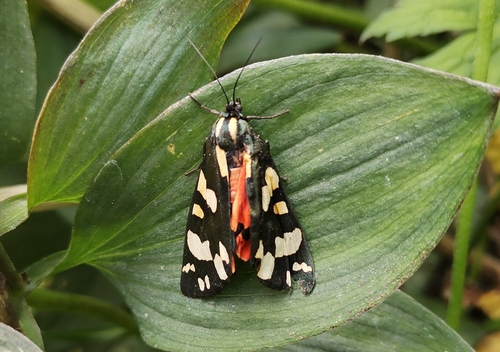
Parasemia plantaginis

Daily sighting probability ~10% · With luck
at Bavarian Forest National Park

In 3 days ~20% in a week ~40%

13 Verified sightings at Bavarian Forest National Park From 2019 to 2026
124 In all 10 parks
June Best month
☀️ Diurnal When it's spotted

About the Wood Tiger

Arctia plantaginis, the wood tiger, is a moth of the family Erebidae. Several subspecies are found in the Holarctic ecozone south to Anatolia, Transcaucasus, northern Iran, Kazakhstan, Mongolia, China, Korea and Japan. One subspecies is endemic to North America.

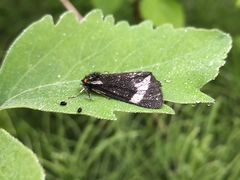
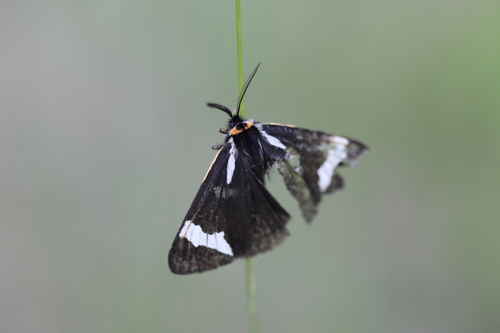
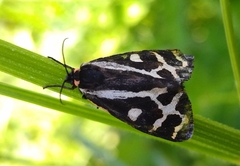
This species was formerly a member of the genus Parasemia, but was moved to Arctia along with the other species of the genera Acerbia, Pararctia, Parasemia, Platarctia, and Platyprepia. P. plantaginis males occur predominantly in two distinct color phenotypes: yellow and white. They are aposematic, meaning their colorations serve to deter predators from attacking. In populations of aposematic species, it is common to have a single coloration phenotype dominate, because predators better learn to avoid the more common phenotype and rare phenotypes suffer higher predation. Rare phenotypes are often selected against because predators are less familiar with their aposematic signal. Thus, other selective pressures exist to perpetuate weaker aposematic signals in exchange for other adaptive benefits. P. plantaginis has become a common model for studying the counteracting selective pressures of predation, mate choice, immune function, thermoregulation, and more. Wikipedia →
Global Distribution

Parks Where Found

# Park Country Daily sighting probability
1 Hohe Tauern National Park 🇦🇹 Austria
~20%
2 Tatra National Park 🇸🇰 Slovakia
~20%
3 Elk Island National Park 🇨🇦 Canada
~20%
4 Mercantour National Park 🇫🇷 France
~10%
5 Aigüestortes National Park 🇪🇸 Spain
~10%
6 Cairngorms National Park 🇬🇧 United Kingdom
~10%
7 Bavarian Forest National Park 🇩🇪 Germany
~10%
8 Pyrénées National Park 🇫🇷 France
~10%
9 Cévennes National Park 🇫🇷 France
<5%
10 Rocky Mountain National Park 🇺🇸 United States
<5%

Before you go

What are the chances of seeing a Wood Tiger in Bavarian Forest National Park?

With luck

About 10% of wildlife watchers report a Wood Tiger sighting in Bavarian Forest National Park on a given day, based on 13 verified sightings from GBIF citizen-science data from 2019 to 2026. It is the 436th most-seen of the 1115 insects we can rate there. Over three days the chance rises to about 20%, and over a week to about 40%, if each day is a fresh chance.

When is the best time to see a Wood Tiger in Bavarian Forest National Park?

June

In that month about 20% of wildlife watchers report a Wood Tiger in Bavarian Forest National Park on a given day, against under 5% in August to April, the lowest months.

What time of day is best to see a Wood Tiger?

Between noon and 3 pm

Across all the parks we cover, that three-hour window holds the most Wood Tiger sightings with a recorded time, and about 9 in 10 of them come between 6 am and 6 pm: it is a daytime animal.

Is Bavarian Forest National Park the best place to see a Wood Tiger?

7th of 10

Of the 10 parks where we can rate Wood Tiger sightings, Bavarian Forest National Park ranks 7th at about 10%. The best odds are in Hohe Tauern National Park (Austria, about 20%), Tatra National Park (Slovakia, about 20%) and Elk Island National Park (Canada, about 20%).

Which relatives of the Wood Tiger live in Bavarian Forest National Park?

Same family: Erebidae

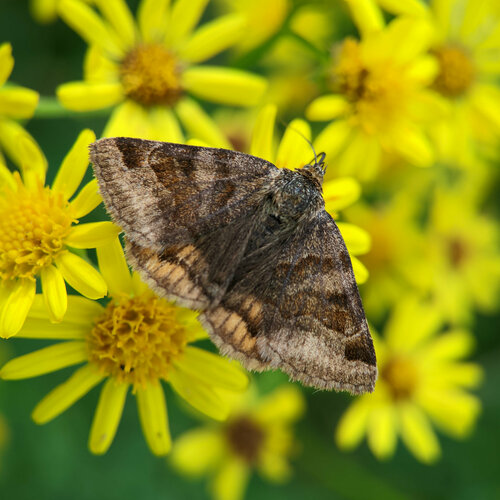
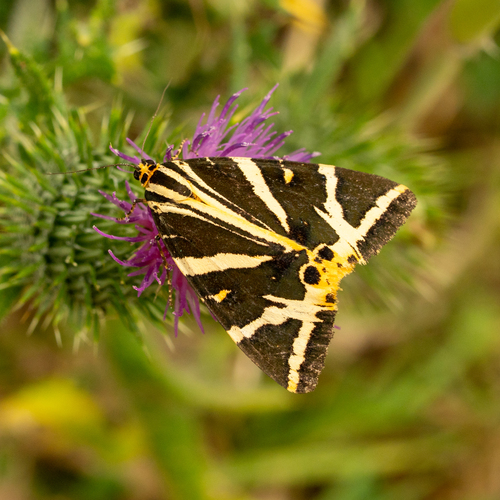
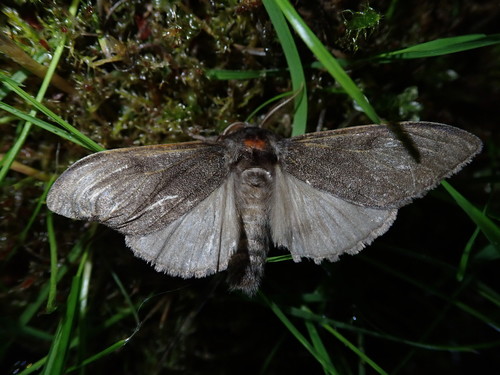
The closest relatives of the Wood Tiger that you can see in Bavarian Forest National Park (family Erebidae, Underwing, Tiger, Tussock, and Allied Moths) are Burnet Companion (about 20%), Jersey Tiger (about 20%) and Pale Tussock Moth (about 10%), with each one's daily chance of a sighting.

Where does the Wood Tiger sighting chance come from?

GBIF citizen-science records

It is estimated from how often the Wood Tiger is recorded against all the insects logged in Bavarian Forest National Park (13 verified sightings from 2019 to 2026), calibrated against known sighting rates. Figures are rounded to the nearest 10% because citizen-science data supports honest approximations, not decimals, and months with records from fewer than five people show "—". How it works.

← Back to Bavarian Forest National Park