Widow Skimmer

Widow Skimmer

Libellula luctuosa

Daily sighting probability <5% · Rare
at Big Bend National Park

In 3 days ~10% in a week ~30%

5 Verified sightings at Big Bend National Park From 2019 to 2026
78 In all 4 parks
August Best month
☀️ Diurnal When it's spotted

About the Widow Skimmer

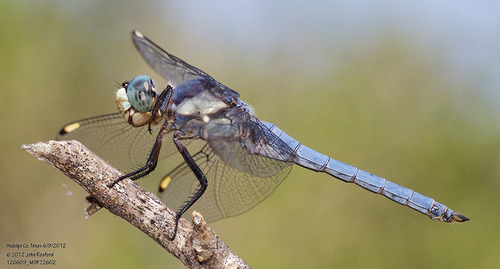
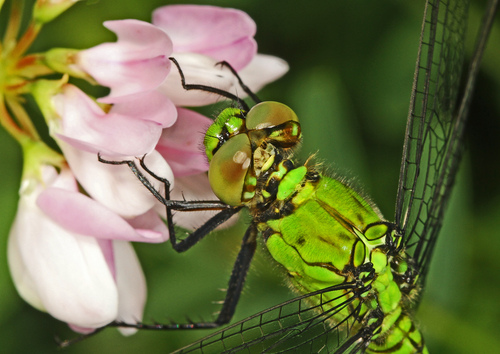
The widow skimmer (Libellula luctuosa) is one of the group of dragonflies known as king skimmers. The nymphs live in the water, molting and growing until they are ready to emerge from the water and then molting a final time to reveal their wings.

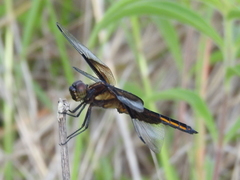
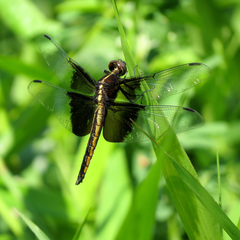
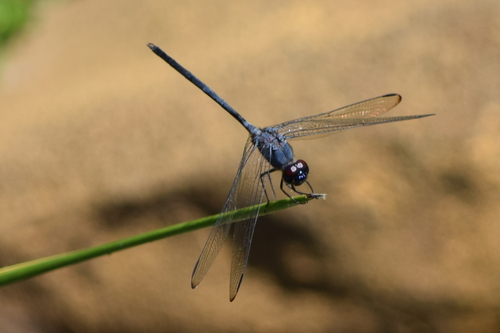
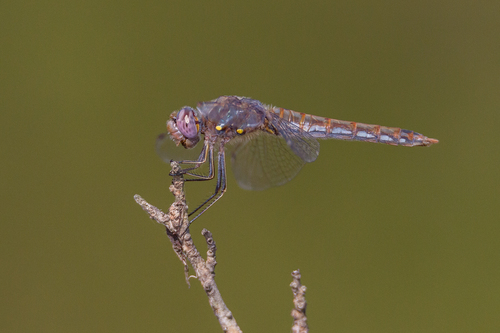
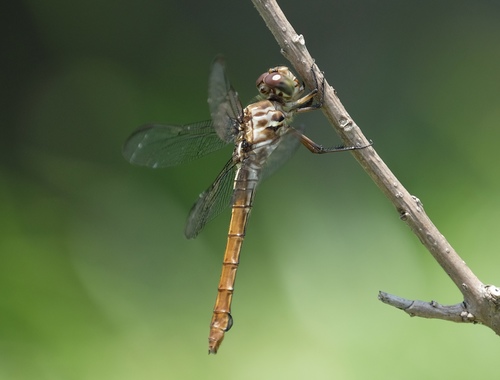
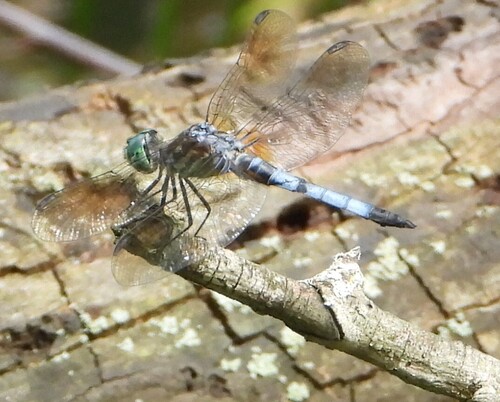
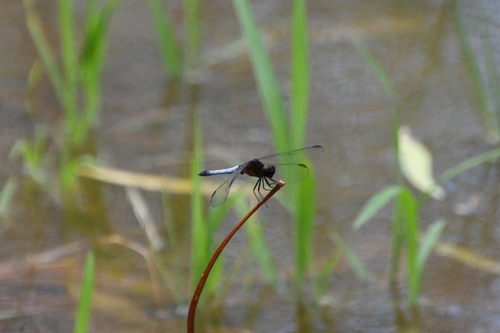
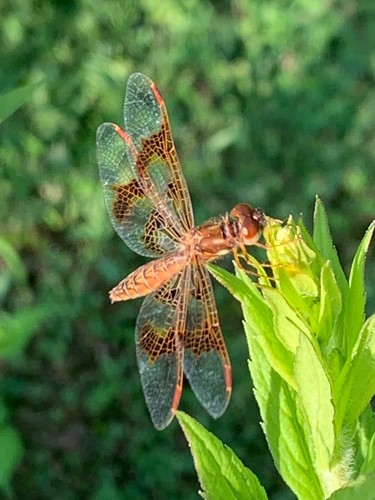
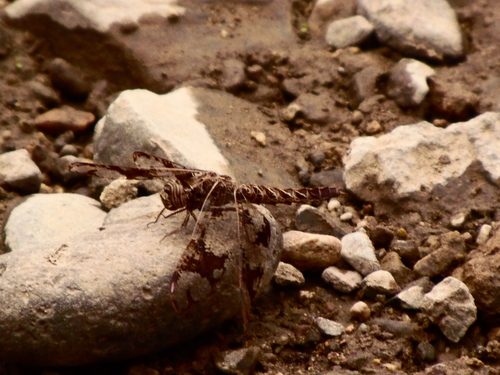
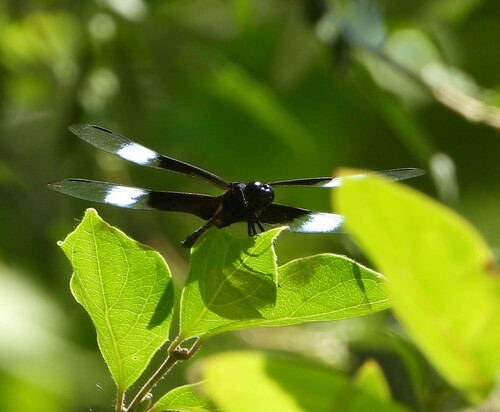
Widow skimmers have large bulky bodies, with large heads. Males have a steely blue body area but females are yellow with brown stripes. Eyes are also large and close together meeting in the middle of the head. They have three pairs of legs. Legs are black in color. They have two pairs of wings: forewings and hindwings. Wings of both sexes are marked with prominent black basal bands. They keep their wings extended over their bodies. Adult males develop broad white spots at midwing as they mature. The abdomen measures 24–32 mm. They also have a slight white hue on their abdomen and thorax.

This species can be found commonly across the United States (except in the higher Rocky Mountains areas) and in southern Ontario and Quebec. This species is found commonly in muddy substrates, or still bodies of waters such as ponds, lakes, streams, and creeks.

They are predators... Wikipedia →
Global Distribution

Parks Where Found

# Park Country Daily sighting probability
1 Shenandoah National Park 🇺🇸 United States
~10%
2 Great Smoky Mountains National Park 🇺🇸 United States
~10%
3 Big Bend National Park 🇺🇸 United States
<5%
4 Acadia National Park 🇺🇸 United States
<5%

Cities Where Found

# City Country Daily sighting probability
1 Austin 🇺🇸 United States
~20%
2 Dallas 🇺🇸 United States
~20%
3 Denver 🇺🇸 United States
~10%
4 Minneapolis [Saint Paul] 🇺🇸 United States
~10%
5 Portland 🇺🇸 United States
~10%
6 Sacramento 🇺🇸 United States
~10%
7 Chicago 🇺🇸 United States
~10%
8 Las Vegas 🇺🇸 United States
~10%
9 Boston 🇺🇸 United States
~10%
10 Washington 🇺🇸 United States
~10%

Before you go

What are the chances of seeing a Widow Skimmer in Big Bend National Park?

Rare

Under 5% of wildlife watchers report a Widow Skimmer sighting in Big Bend National Park on a given day, based on 5 verified sightings from GBIF citizen-science data from 2019 to 2026. It is the 283rd most-seen of the 329 insects we can rate there. Over three days the chance rises to about 10%, and over a week to about 30%, if each day is a fresh chance.

When is the best time to see a Widow Skimmer in Big Bend National Park?

August

In that month about 20% of wildlife watchers report a Widow Skimmer in Big Bend National Park on a given day, against under 5% in July and November–May, the lowest months. That is one of Big Bend National Park's wettest months, with about 45 mm of rain against 10 mm in April.

What time of day is best to see a Widow Skimmer?

Between 9 am and noon

Across all the parks we cover, that three-hour window holds the most Widow Skimmer sightings with a recorded time, and about 9 in 10 of them come between 6 am and 6 pm: it is a daytime animal.

Is Big Bend National Park the best place to see a Widow Skimmer?

3rd of 4

Of the 4 parks where we can rate Widow Skimmer sightings, Big Bend National Park ranks 3rd at under 5%. The best odds are in Shenandoah National Park (United States, about 10%) and Great Smoky Mountains National Park (United States, about 10%).

Which relatives of the Widow Skimmer live in Big Bend National Park?

Same genus: Libellula

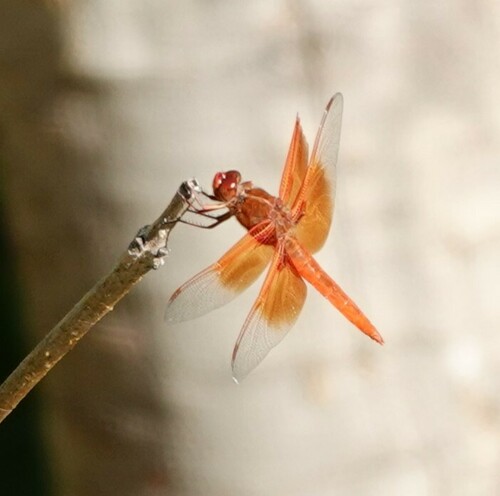
The closest relatives of the Widow Skimmer that you can see in Big Bend National Park (genus Libellula, Chasers and King Skimmers) are Flame Skimmer (about 20%), Neon Skimmer (about 10%) and Comanche Skimmer (about 10%), with each one's daily chance of a sighting.

Where does the Widow Skimmer sighting chance come from?

GBIF citizen-science records

It is estimated from how often the Widow Skimmer is recorded against all the insects logged in Big Bend National Park (5 verified sightings from 2019 to 2026), calibrated against known sighting rates. Figures are rounded to the nearest 10% because citizen-science data supports honest approximations, not decimals, and months with records from fewer than five people show "—". How it works.

← Back to Big Bend National Park