Bogong Moth

Bogong Moth

Agrotis infusa

Daily sighting probability ~10% · With luck
at Blue Mountains National Park

In 3 days ~30% in a week ~60%

53 Verified sightings at Blue Mountains National Park From 2019 to 2026
180 In all 4 parks
October Best month
☀️🌙 Day & Night When it's spotted

About the Bogong Moth

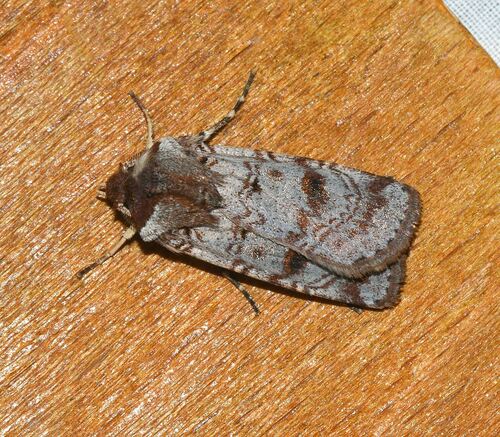
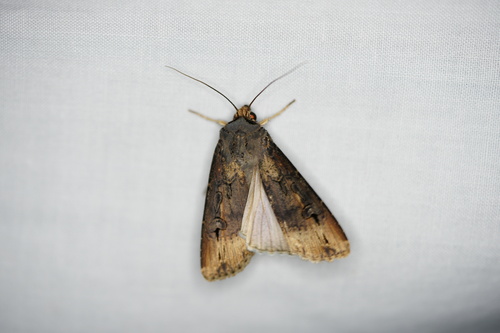
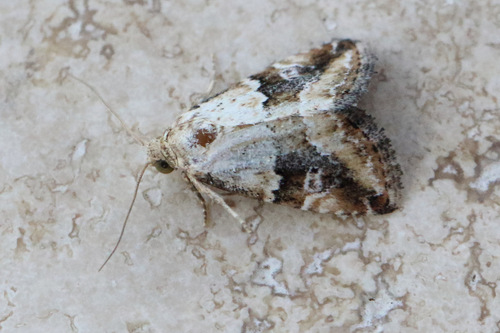
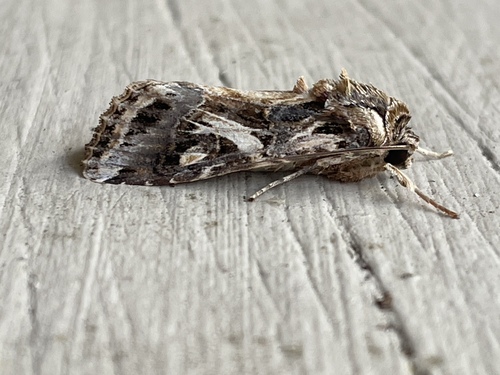
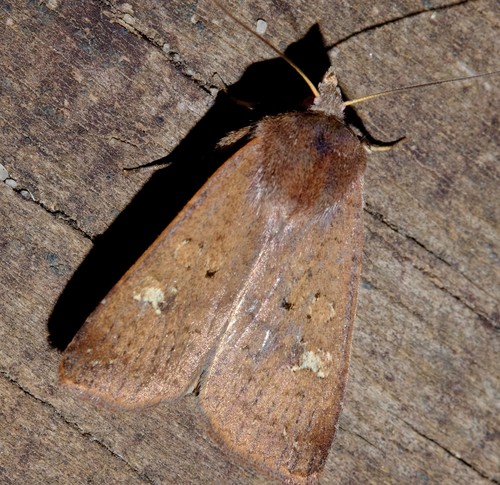
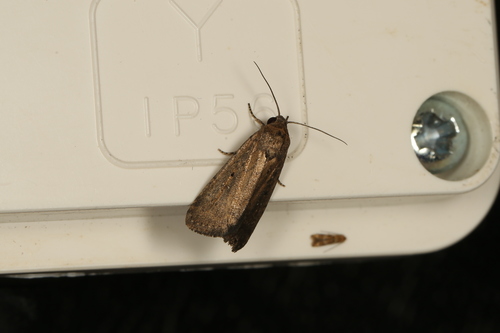
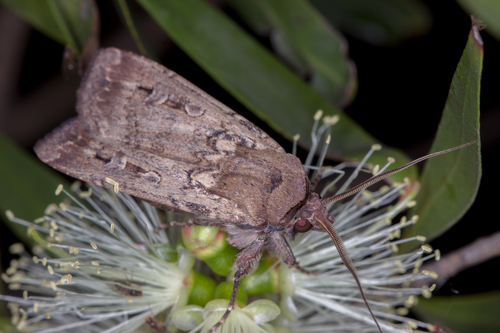
The bogong moth (Agrotis infusa) is a temperate species of night-flying moth, notable for its biannual long-distance seasonal migrations towards and from the Australian Alps, similar to the diurnal monarch butterfly. During the autumn and winter it is found in southern Queensland, western New South Wales, western Victoria, Tasmania and also in South and Western Australia. Adult bogong moths breed and larvae hatch during this period, consuming winter pasture plants during their growth. During the spring, the moths migrate south or east and reside in mountains such as Mount Bogong, where they gregariously aestivate over the summer until their return towards breeding grounds again in the autumn.

The moth's name, bogong, is derived from an Australian Aboriginal language; the Dhudhuroa word bugung describes the brown colouration of the moth. It is an icon of Australian wildlife due to its historical role as an important food source and because Aboriginal peoples would come to where the moths spend the summer to feast on them and hold intertribal gatherings. In recent years, it has been seen in major cities like Canberra, Melbourne, and Sydney due to strong winds during its spring migration.

Starting around 1980 and accelerating rapidly after 2016, the bogong moth population has sharply declined as a result of increasingly severe droughts, along with increased temperatures in caves used by the moths for aestivation, both primarily resulting from anthropogenic climate change. In December 2021 the bogong moth was added to the IUCN Red List as an endangered species. In 2026, observations on Zoos Victoria's Moth Tracker indicated a steep rebound. Wikipedia →
Global Distribution

Parks Where Found

# Park Country Daily sighting probability
1 Kosciuszko National Park 🇦🇺 Australia
~30%
2 Great Otway National Park 🇦🇺 Australia
~20%
3 Hattah-Kulkyne National Park 🇦🇺 Australia
~20%
4 Blue Mountains National Park 🇦🇺 Australia
~10%

Cities Where Found

# City Country Daily sighting probability
1 Sydney 🇦🇺 Australia
~20%
2 Melbourne 🇦🇺 Australia
~20%
3 Perth 🇦🇺 Australia
~10%

Before you go

What are the chances of seeing a Bogong Moth in Blue Mountains National Park?

With luck

About 10% of wildlife watchers report a Bogong Moth sighting in Blue Mountains National Park on a given day, based on 53 verified sightings from GBIF citizen-science data from 2019 to 2026. It is the 57th most-seen of the 789 insects we can rate there. Over three days the chance rises to about 30%, and over a week to about 60%, if each day is a fresh chance.

When is the best time to see a Bogong Moth in Blue Mountains National Park?

October

In that month about 30% of wildlife watchers report a Bogong Moth in Blue Mountains National Park on a given day, against under 5% in April, August and December, the lowest months.

What time of day is best to see a Bogong Moth?

Between 8 and 11 pm

Across all the parks we cover, that three-hour window holds the most Bogong Moth sightings with a recorded time, and about half of them come between 6 am and 6 pm: it is seen both by day and at night.

Which relatives of the Bogong Moth live in Blue Mountains National Park?

Same genus: Agrotis

The closest relatives of the Bogong Moth that you can see in Blue Mountains National Park (genus Agrotis) are Brown Cutworm (about 20%), Variable Cutworm (about 10%) and Ipsilon Dart Moth (about 10%), with each one's daily chance of a sighting.

Where does the Bogong Moth sighting chance come from?

GBIF citizen-science records

It is estimated from how often the Bogong Moth is recorded against all the insects logged in Blue Mountains National Park (53 verified sightings from 2019 to 2026), calibrated against known sighting rates. Figures are rounded to the nearest 10% because citizen-science data supports honest approximations, not decimals, and months with records from fewer than five people show "—". How it works.

← Back to Blue Mountains National Park