Zoo
Fossil Rim Wildlife Center
🇺🇸 United States
🦒 Zoo or wildlife park, United States 26 spp. present
Fossil Rim Wildlife Center is a 501(c)(3) non-profit conservation center near Glen Rose, Texas. They specialize in the breeding of endangered species, public education, scientific research and natural land management. The facility has over 1,000 animals from 50 species. Guests have access to guided and self-guided tours across the center's 1800 acres of Texas Hill Country, as well as lodging, dining and educational facilities. Wikipedia (CC BY-SA)
32.181° N 97.796° W
🎟️ Visit

Essentials
Entrance
—
Tourism
High
Species present
26
speciesOpened
1984
Size
—
Visit
Getting there
What visitors say
🦒 Animals in captivity




Before you go
Where is Fossil Rim Wildlife Center?
United States
Fossil Rim Wildlife Center is a zoo or wildlife park in the United States. Its coordinates are 32.181° N, 97.796° W. The nearest national park in our atlas is Padre Island National Seashore, about 537 km away.
What animals can you see at Fossil Rim Wildlife Center?
26 species
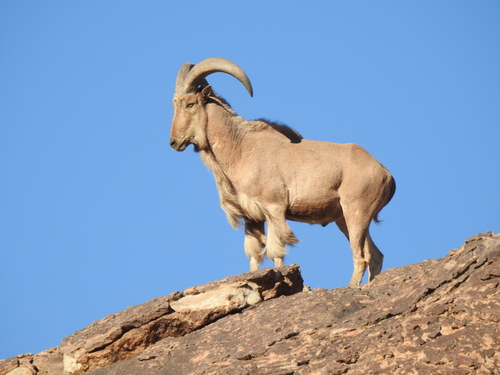
Citizen-science photos record 26 species at Fossil Rim Wildlife Center, including Blue Wildebeest, Blackbuck, Fallow Deer, Aoudad and Roan Antelope. Those with a page of their own in our atlas show the odds of seeing them in the wild.
Where can you see the animals of Fossil Rim Wildlife Center in the wild?
Blue Wildebeest: Amboseli National Park
Some of the animals photographed at Fossil Rim Wildlife Center also live in the parks and cities we cover: Blue Wildebeest (about 80% of wildlife watchers report it on a given day in Amboseli National Park), Blackbuck (about 50% of wildlife watchers report it on a given day in Kanha National Park) and Fallow Deer (about 60% of wildlife watchers report it on a given day in Kosciuszko National Park).
When did Fossil Rim Wildlife Center open?
Opened 1984
Fossil Rim Wildlife Center, a zoo or wildlife park in the United States, opened in 1984, according to Wikidata and OpenStreetMap. Today 26 species are photographed there.
Nearest Zoos & Centres


Nearest Parks


Nearest Cities


Sources: © OpenStreetMap contributors (ODbL) · Wikidata (CC0) · iNaturalist observers · Wikipedia (CC BY-SA)