Zoo
The Wilds
🇺🇸 United States
🦒 Zoo or wildlife park, United States 25 spp. present
The Wilds is a private, non-profit safari park and conservation center located in southeastern Muskingum County, Ohio, just west of Cumberland, under the authority of the Columbus Zoo. The park combines conservation science and education programs, and also offers visitors leisure activities such as ziplining, horseback riding(cancelled 2026, by seasons end) fishing, Recreational and primitive camping (at Hellbender Campground.). The property encompasses 37.04 km2 (14.30 sq mi) of reclaimed coal mine land and includes 8.1 km2 (3.1 sq mi) of pastures and a 27-acre (11 ha) Carnivore Conservation Center. The Wilds is designated an Audubon Important Bird Area so the property includes a birding st Wikipedia (CC BY-SA)
39.829° N 81.733° W
🎟️ Visit

Essentials
Entrance
—
Tourism
High
Species present
25
speciesOpened
1994
Size
Large
Visit
Getting there
- Address
- 14000 International Road, Cumberland, OH 43732
What visitors say
🦒 Animals in captivity

EN
 Wild Horse
Equus ferus




CR
 Banteng
Bos javanicus


Before you go
Where is The Wilds?
United States
The Wilds is a zoo or wildlife park in the United States, at 14000 International Road, Cumberland, OH 43732. Its coordinates are 39.829° N, 81.733° W. The nearest national park in our atlas is Point Pelee National Park, about 247 km away.
What animals can you see at The Wilds?
25 species
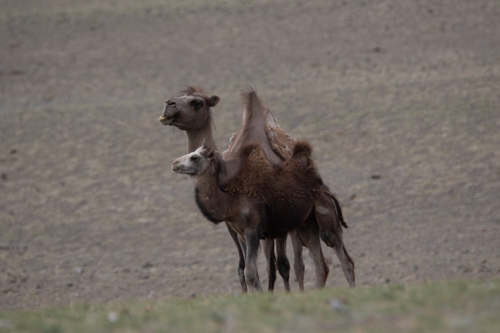
Citizen-science photos record 25 species at The Wilds, including Wild Horse, Common Ostrich, Domestic Bactrian Camel, Budgerigar and Sable Antelope. Those with a page of their own in our atlas show the odds of seeing them in the wild.
Where can you see the animals of The Wilds in the wild?
Common Ostrich: De Hoop Nature Reserve
Some of the animals photographed at The Wilds also live in the parks and cities we cover: Common Ostrich (about 70% of wildlife watchers report it on a given day in De Hoop Nature Reserve), Domestic Bactrian Camel (about 40% of wildlife watchers report it on a given day in Gobi Gurvansaikhan National Park) and Budgerigar (about 40% of wildlife watchers report it on a given day in Uluru-Kata Tjuta National Park).
When did The Wilds open and how big is it?
Opened 1994, 3,701 ha
The Wilds, a zoo or wildlife park in the United States, opened in 1994 and covers about 3,701 ha, according to Wikidata and OpenStreetMap. Today 25 species are photographed there.
Nearest Zoos & Centres


Nearest Parks


Nearest Cities


Sources: © OpenStreetMap contributors (ODbL) · Wikidata (CC0) · iNaturalist observers · Wikipedia (CC BY-SA)