Uluru-Kata Tjuta National Park
🇦🇺 Australia
Oceania, Australia 546 spp. recorded
Uluru-Kata Tjuta National Park is a desert and dry scrub reserve situated in the red center of Australia. This protected expanse is defined by ancient sandstone monoliths and towering domes rising sharply from flat, arid plains, setting it apart from standard coastal or woodland reserves.
-25.341° S 130.742° E
🦜 Nature

190 Species sighted
8,804 Verified sightings From 2019 to 2026
Nov Best month
⭐ Iconic Species



📊 Most Spotted


⭐ Iconic Species
📊 Most Spotted


📊 Most Spotted

⭐ Iconic Species
📊 Most Spotted





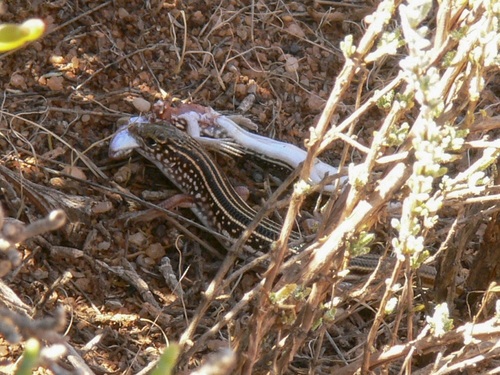


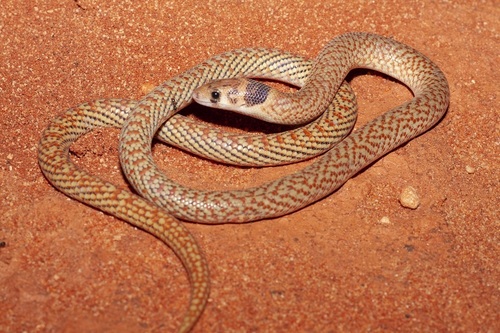


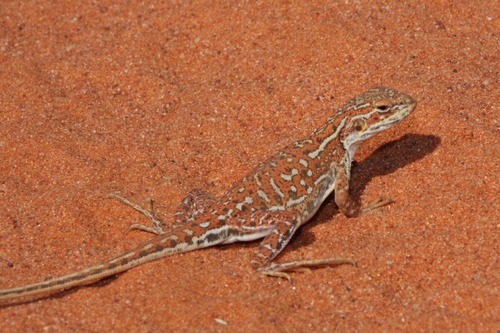
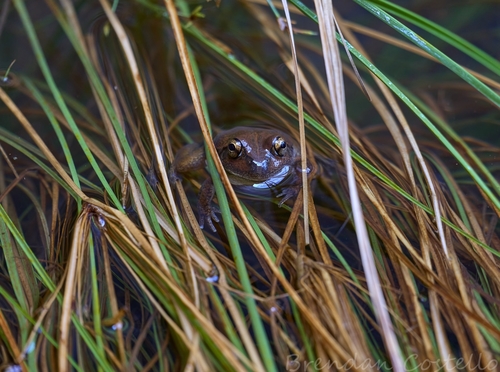

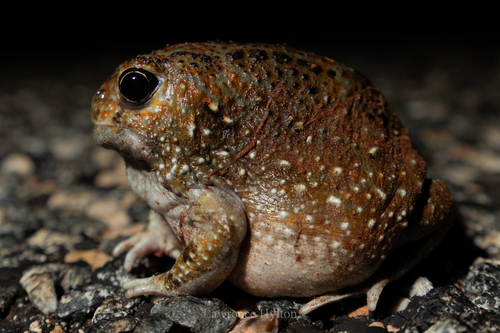

📊 Most Spotted
⭐ Iconic Species
🌙 Most active after dark


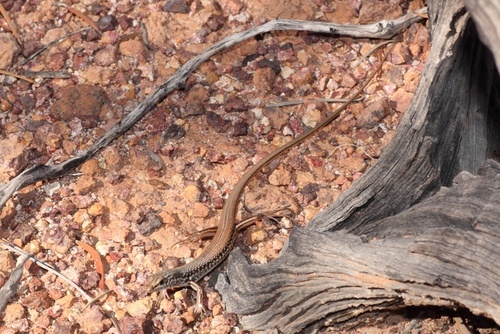
+ 435 more species with insufficient data
Recent sightings in Uluru-Kata Tjuta National Park
LIVEiNaturalistSighting Calendar
How many species you'd see in a day
27Jan
25Feb
31Mar
27Apr
25May
24Jun
23Jul
24Aug
29Sep
32Oct
33Nov
28Dec
Sighting Zones
Warmer areas are where all species together are recorded most often.
-
Katu Tjutu viewing area · sunrise
Daily sight. prob.vs avg Central Netted Ground-dragon~90%+30%
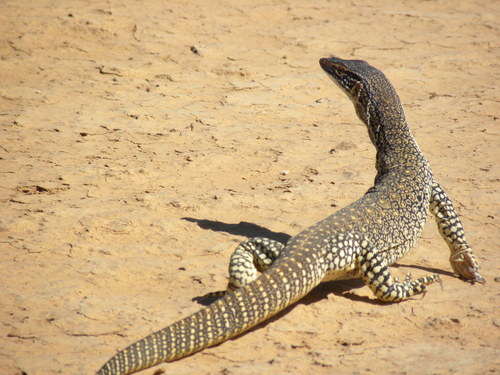
 Gould's Goanna~80%+30%
 Crested Pigeon~80%≈
 Dromedary Camel~70%+30%
 Yellow-throated Miner~60%≈
 Black-faced Woodswallow~60%+20%
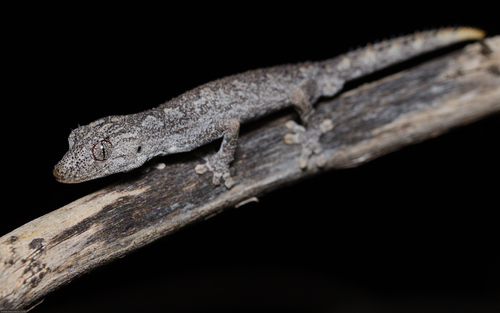
 Northern Spiny-tailed Gecko~50%+20%
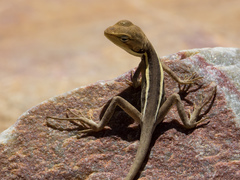 Long-nosed Water Dragon~50%-20%
 Common Knob-tailed Lizard~50%+30%
 Desert Spadefoot Toad~50%+30%
 Budgerigar~30%≈
 Willie Wagtail~20%-60%
-
Kuniya walk and Mutitjulu Waterhole
Daily sight. prob.vs avg -
Walpa Gorge
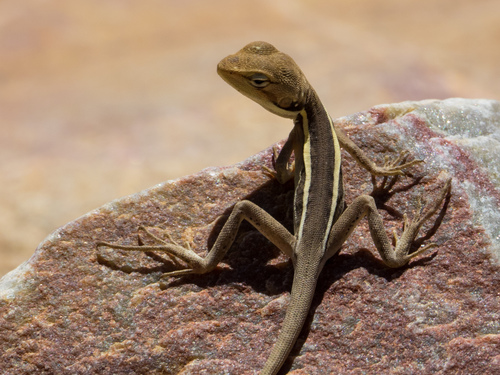
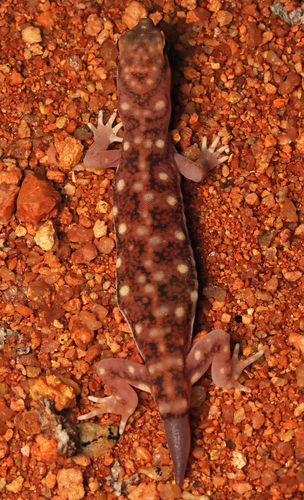
Daily sight. prob.vs avg Central Australian Earless Dragon~90%+50%
- Central Netted Ground-dragon~80%+10%
 Zebra Finch~60%-10%
 Perentie~60%+30%
 White-plumed Honeyeater~60%-30%
- Gould's Goanna~50%≈
 Singing Honeyeater~50%-20%
- Willie Wagtail~50%-40%
- Long-nosed Water Dragon~40%-20%
 Gray Shrikethrush~40%-10%
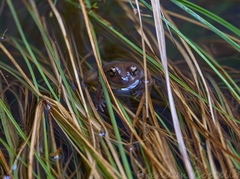 Main's Frog~40%+10%
 Australian Kestrel~30%-20%
-
Car sunset viewing
Daily sight. prob.vs avg -
Talinguru Nyakunytjaku
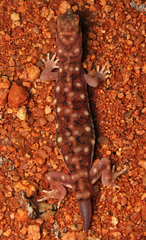
Daily sight. prob.vs avg Thorny Devil~90%+50%
- Gould's Goanna~70%+20%
- Central Netted Ground-dragon~70%≈
 Smooth Knob-tail~50%+20%
- Zebra Finch~50%-30%
- Crested Pigeon~50%-30%
- Willie Wagtail~50%-40%
- Singing Honeyeater~40%-30%
- White-plumed Honeyeater~40%-50%
 Spiny-cheeked Honeyeater~30%-30%
- Yellow-throated Miner~30%-30%
- Australian Kestrel~20%-30%

🏕️ Experience
Essentials
Climate
Temp °C Rain mm
JanFebMarAprMayJunJulAugSepOctNovDec
0.0 Good
Wallace's Line Score
How good is this park for seeing wildlife? 🦜
Biodiversity
Very goodHow rich is the wildlife?
4.2
Species by taxon
🦅 Birds 321
🐒 Mammals 64
🦎 Reptiles 153
🐸 Amphibians 8
546 Total Species
828 Global average across 316 parks
19 Threatened 320 Endemic
🔭
Sighting
GoodHow likely to see animals?
3.0
🎯
Top-12 Avg Probability
67% 📊
Coverage (119 species at ≥5% of 546 in the inventory)
22% 🔀
Taxon variety in top 12 (9 bird, 3 reptile)
50% 🔭
Species per 10 outings (distinct species a visitor would meet over 10 outings — effort held equal across parks)
61 🌟
Iconic-group species (≥15%) (every species from the 19 iconic groups — monkeys, cats, toucans, macaws, sloths, crocodilians… — not just the 4 highlighted above)
9 ⭐
High-prob species (>40%)
19 🏕️
Experience
Very goodHow easy and pleasant is the visit?
4.3
Climate Mixed Medium
Entrance Paid Low
Tourism Medium Medium
Trails Easy High
World Heritage Yes Bonus
What visitors say
I managed to see were a Long-nosed dragon at Kata Tjuta and a Tree dtella at the campsite.
This was very fortunate because shortly before we left camp, I heard a cacatuid [member of the cockatoo family] flying over, and saw it landing on a dune crest.
Central netted dragon And then… my first real view of Uluṟu (even though I could technically see it a little it on the bus ride in).
Arriving at Kings Canyon Station, where we were staying in permanent tents on-site, we first stopped to see the camels!
Before you go
What animals can you see in Uluru-Kata Tjuta National Park?
546 species
Uluru-Kata Tjuta National Park has 546 recorded vertebrate species. The ones wildlife watchers report most often on a given day are White-plumed Honeyeater (about 90%), Willie Wagtail (about 80%), Zebra Finch (about 70%), Crested Pigeon (about 70%) and Long-nosed Water Dragon (about 70%). Among mammals, the most-seen is Dromedary Camel (about 30%); among amphibians, Main's Frog (about 20%).
When is the best time to visit Uluru-Kata Tjuta National Park for wildlife?
August to April
In those months the park's 12 most-seen species average about 70% on a given day, against about 60% in May to July.
Can you see a Long-nosed Water Dragon in Uluru-Kata Tjuta National Park?
Yes
About 70% of wildlife watchers report a Long-nosed Water Dragon sighting in Uluru-Kata Tjuta National Park on a given day, based on 87 verified sightings from GBIF citizen-science data from 2019 to 2026. The best time is February, April and October–November (about 80%).
Can you see a Dromedary Camel in Uluru-Kata Tjuta National Park?
Yes
About 30% of wildlife watchers report a Dromedary Camel sighting in Uluru-Kata Tjuta National Park on a given day, based on 16 verified sightings from GBIF citizen-science data from 2019 to 2026. The best time is May (about 50%).
Can you see a Gould's Goanna in Uluru-Kata Tjuta National Park?
Yes
About 50% of wildlife watchers report a Gould's Goanna sighting in Uluru-Kata Tjuta National Park on a given day, based on 49 verified sightings from GBIF citizen-science data from 2019 to 2026. The best time is January (about 80%).
Where in Uluru-Kata Tjuta National Park is wildlife easiest to see?
Around Katu Tjutu viewing area · sunrise
The richest sighting zone is around Katu Tjutu viewing area · sunrise, followed by Kuniya walk and Mutitjulu Waterhole and Walpa Gorge, ranked by how many of the park's headline animals visitors can expect to see in each. See the zones on the map.
Is Uluru-Kata Tjuta National Park good for wildlife watching?
3.4 out of 5
On the Wallace's Line Score, Uluru-Kata Tjuta National Park rates 3.4/5: 224th of 316 parks worldwide and 20th in Oceania. 22 of its species are reported by about 40% or more of wildlife watchers on a given day.


