Tangkoko Nature Reserve
🇮🇩 Indonesia
Southeast Asia, Indonesia 602 spp. recorded
Tangkoko Nature Reserve is a tropical rainforest sanctuary on the northeastern tip of Sulawesi, Indonesia, featuring dense jungle trails that wind through towering strangler figs and tangled vines. This protected habitat stands out for its high concentration of unusual endemic wildlife.
1.521° N 125.188° E
🦜 Nature

247 Species sighted
24,335 Verified sightings From 2019 to 2026
Jun Best month
⭐ Iconic Species


📊 Most Spotted




⭐ Iconic Species
📊 Most Spotted



⭐ Iconic Species
📊 Most Spotted


📊 Most Spotted






📊 Most Spotted


📊 Most Spotted
🌙 Most active after dark


+ 449 more species with insufficient data
Recent sightings in Tangkoko Nature Reserve
LIVEiNaturalistSighting Calendar
How many species you'd see in a day
29Jan
41Feb
33Mar
36Apr
38May
42Jun
41Jul
38Aug
41Sep
40Oct
38Nov
40Dec
Sighting Zones
Warmer areas are where all species together are recorded most often.
-
Forest and General Area
Daily sight. prob.vs avg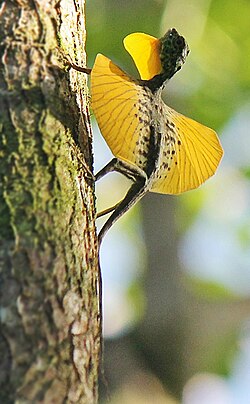 Sulawesi Lined Gliding Lizard~90%+10%
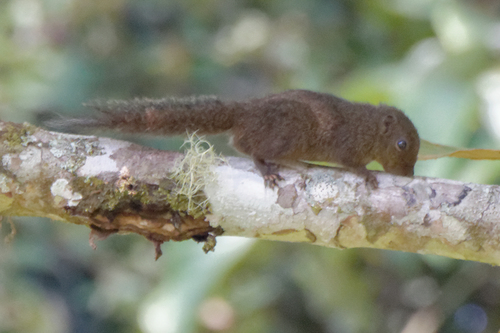
 Whitish Dwarf Squirrel~80%+20%
 Common Water Monitor~60%+20%
 Sulawesian Toad~60%+20%
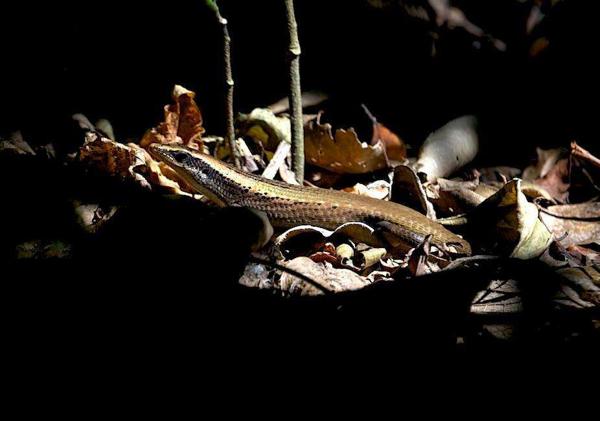 Sulawesi Mabuya~50%+20%
 Brown Tree Snake~50%+10%
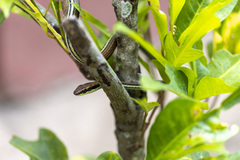 Terrific Bronzeback~50%+20%
 Common House Gecko~50%+10%
 Common Indian Toad~50%+10%
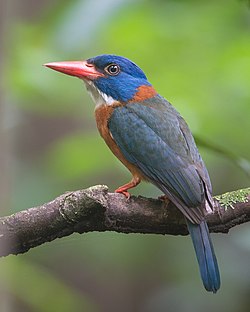 Green-backed Kingfisher~40%≈
 Reticulated Python~40%+20%
 Green Imperial-Pigeon~40%-30%
-
Temboan Hill
Daily sight. prob.vs avg Celebes Crested Macaque~70%+10%
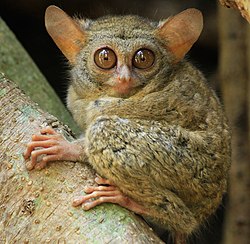 Gursky's Spectral Tarsier~70%+10%
- Common House Gecko~60%+30%
- Sulawesi Lined Gliding Lizard~60%-10%
- Brown Tree Snake~50%+20%
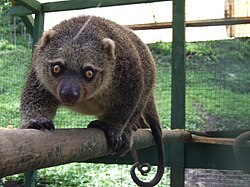 Sulawesi Bear Cuscus~50%-10%
 Flat-tailed House Gecko~50%+20%
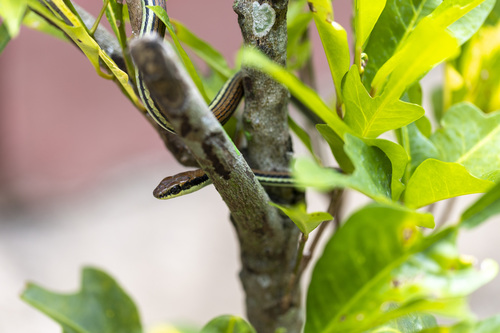
 Oriental Whipsnake~50%+20%
- Common Indian Toad~50%+10%
- Sulawesian Toad~50%≈
- Terrific Bronzeback~50%+10%
 Rough Mabuya~40%+20%
-
Overlook
Daily sight. prob.vs avg- Celebes Crested Macaque~90%+20%
- Gursky's Spectral Tarsier~80%+20%
- Sulawesi Bear Cuscus~80%+10%
 White Imperial-Pigeon~60%-10%
- Green Imperial-Pigeon~60%-20%
 Knobbed Hornbill~60%≈
- Oriental Whipsnake~50%+20%
 Hair-crested Drongo~40%-30%
- Sulawesi Lined Gliding Lizard~40%-30%
 Purple-winged Roller~30%-20%
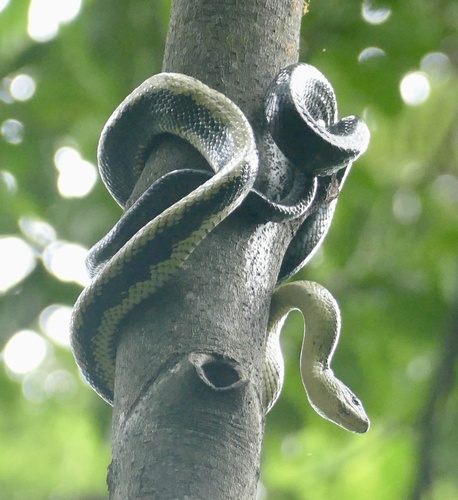
 Celebes Black-Tailed Ratsnake~30%≈


🏕️ Experience
Essentials
Entrance
Paid
Tourism
Low
Typical stay
2–3
daysTrails
Hard
World Heritage
No
Climate
Temp °C Rain mm
JanFebMarAprMayJunJulAugSepOctNovDec
0.0 Excellent
Wallace's Line Score
How good is this park for seeing wildlife? 🦜
Biodiversity
GoodHow rich is the wildlife?
4.0
Species by taxon
🦅 Birds 360
🐒 Mammals 130
🦎 Reptiles 92
🐸 Amphibians 17
🦈 Sharks & Rays 3
602 Total Species
828 Global average across 316 parks
43 Threatened 140 Endemic
🔭
Sighting
Very goodHow likely to see animals?
3.6
🎯
Top-12 Avg Probability
66% 📊
Coverage (142 species at ≥5% of 602 in the inventory)
24% 🔀
Taxon variety in top 12 (6 bird, 4 mammal, 1 reptile, 1 elasmobranch)
83% 🔭
Species per 10 outings (distinct species a visitor would meet over 10 outings — effort held equal across parks)
86 🌟
Iconic-group species (≥15%) (every species from the 19 iconic groups — monkeys, cats, toucans, macaws, sloths, crocodilians… — not just the 4 highlighted above)
13 ⭐
High-prob species (>40%)
30 🏕️
Experience
Very goodHow easy and pleasant is the visit?
3.6
Climate Mixed Medium
Entrance Paid Low
Tourism Low High
Trails Hard Low
World Heritage No —
What visitors say
Sulawesi’s most famous marsupial, and the one we had hoped to see, is the incredible Bear Cuscus.
Before the five-hour Morning Tour ended, we went to the beach and saw various kingfishers, a woodpecker, a pair of hornbills, and a gecko.
We watched cuscus, black macaques and one night a family of tarsiers.
Just before wrapping up our morning in Tangkoko Forest, we caught a glimpse of the Knobbed Hornbill, also known as the Sulawesi wrinkled hornbill.
Before you go
What animals can you see in Tangkoko Nature Reserve?
602 species
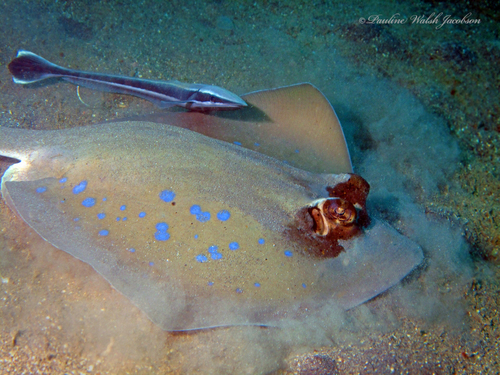
Tangkoko Nature Reserve has 602 recorded vertebrate species. The ones wildlife watchers report most often on a given day are Green Imperial-Pigeon (about 80%), Sulawesi Lined Gliding Lizard (about 70%), Oriental Bluespotted Maskray (about 70%), White Imperial-Pigeon (about 70%) and Hair-crested Drongo (about 70%). Among mammals, the most-seen is Celebes Crested Macaque (about 70%); among amphibians, Sulawesian Toad (about 40%).
When is the best time to visit Tangkoko Nature Reserve for wildlife?
February and June–August
In those months the park's 12 most-seen species average about 70% on a given day, against about 60% in March–May and September–January.
Can you see a Celebes Crested Macaque in Tangkoko Nature Reserve?
Yes
About 70% of wildlife watchers report a Celebes Crested Macaque sighting in Tangkoko Nature Reserve on a given day, based on 312 verified sightings from GBIF citizen-science data from 2019 to 2026. The best time is February (about 80%).
Can you see a Gursky's Spectral Tarsier in Tangkoko Nature Reserve?
Yes
About 60% of wildlife watchers report a Gursky's Spectral Tarsier sighting in Tangkoko Nature Reserve on a given day, based on 194 verified sightings from GBIF citizen-science data from 2019 to 2026. The best time is June–August and December (about 70%).
Can you see a Sulawesi Bear Cuscus in Tangkoko Nature Reserve?
Yes
About 60% of wildlife watchers report a Sulawesi Bear Cuscus sighting in Tangkoko Nature Reserve on a given day, based on 177 verified sightings from GBIF citizen-science data from 2019 to 2026. The best time is August and November (about 80%).
Can you see a Knobbed Hornbill in Tangkoko Nature Reserve?
Yes
About 70% of wildlife watchers report a Knobbed Hornbill sighting in Tangkoko Nature Reserve on a given day, based on 812 verified sightings from GBIF citizen-science data from 2019 to 2026. The best time is July and September (about 80%).
Where in Tangkoko Nature Reserve is wildlife easiest to see?
Around Forest and General Area
The richest sighting zone is around Forest and General Area, followed by Temboan Hill and Overlook, ranked by how many of the park's headline animals visitors can expect to see in each. See the zones on the map.
Is Tangkoko Nature Reserve good for wildlife watching?
3.8 out of 5
On the Wallace's Line Score, Tangkoko Nature Reserve rates 3.8/5: 142nd of 316 parks worldwide and 14th in Southeast Asia. 36 of its species are reported by about 40% or more of wildlife watchers on a given day.


