


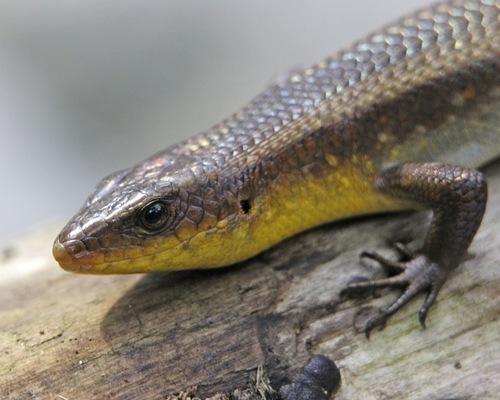





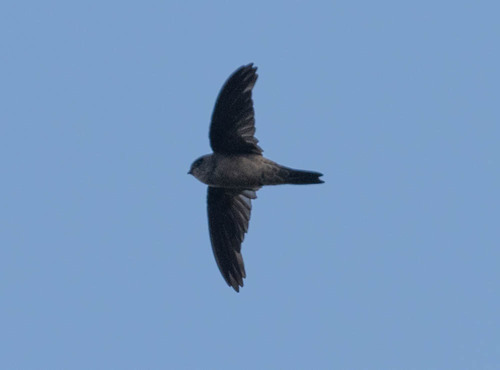

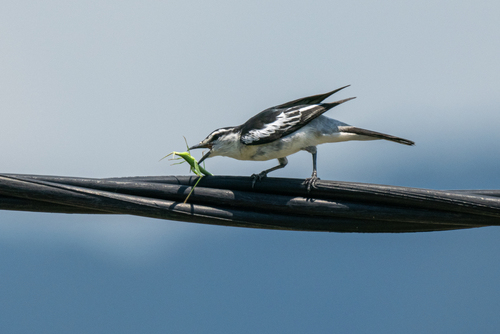


All 3 in 3 days here: ~80%
City
Makassar
🇮🇩 Indonesia
Southeast Asia, Indonesia 116 spp. recorded
Makassar, formerly Ujung Pandang, is the capital of the Indonesian province of South Sulawesi. It is the largest city in the region of Eastern Indonesia and the country's fifth-largest urban center after Jakarta, Surabaya, Medan, and Bandung. The city is located on the southwest coast of the island of Sulawesi, facing the Makassar Strait. Wikipedia
5.183° S 119.469° E
🦜 Nature

116 Species sighted
1,306 Verified sightings From 2019 to 2026
Aug Best month
⭐ Iconic Species
📊 Most Spotted
📊 Most Spotted

LC
 Asian House Shrew
Suncus murinus
⭐ Iconic Species
📊 Most Spotted
⭐ Iconic Species
📊 Most Spotted

LC
 Mutilating Gecko
Gehyra mutilata

LC
 Emerald Tree Skink
Lamprolepis smaragdina

LC
 Khorat Blind Snake
Indotyphlops braminus

NT
Black Pipe Snake
Cylindrophis melanotus

LC
 Maren's Bronzeback
Dendrelaphis marenae

LC
Boie's Mud Snake
Hypsiscopus plumbea

LC
Asian Sunbeam Snake
Xenopeltis unicolor
LC
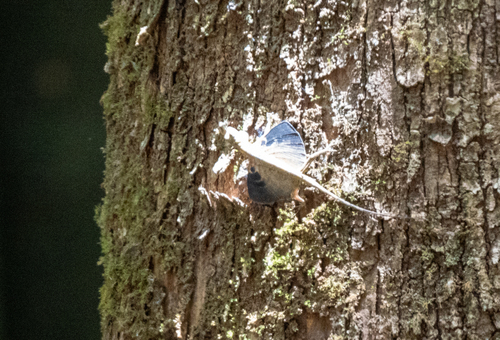
Walker's Gliding Dragon
Draco walkeri
⭐ Iconic Species
📊 Most Spotted

LC
 Asian Painted Frog
Kaloula pulchra

LC
 Alpine Cricket Frog
Fejervarya limnocharis
📊 Most Spotted
🌙 Most active after dark
Challenges you can complete here
Recent sightings in Makassar
LIVEiNaturalistWhere to look
Warmer areas are where all species together are recorded most often.



Sighting Calendar
How many species you'd see in a day
0.9Jan
0.4Feb
0.4Mar
0.4Apr
20May
3.3Jun
10Jul
22Aug
16Sep
2.3Oct
5.8Nov
—
No data
Dec 🏙️ City
Essentials
Green cover
High
Protected land
—
Protected sea
—
Protected areas
—
Wildlife spots
1
spotsZoos & centres
0
placesClimate
Tropical monsoon
World Heritage
No
Climate
Temp °C Rain mm
JanFebMarAprMayJunJulAugSepOctNovDec
0.0 Excellent
Wallace's Line Score
How good is this city for seeing wildlife? 🦜
Biodiversity
Very goodHow rich is the wildlife?
4.0
Species by taxon
🦅 Birds 329
🐒 Mammals 121
🦎 Reptiles 89
🐸 Amphibians 17
556 Total Species
679 Global average across 380 cities
49 Threatened 74 Endemic
🔭
Sighting
GoodHow likely to see animals?
3.9
🎯
Top-12 Avg Probability
60% 📊
Coverage (92 species at ≥5% of 556 in the inventory)
17% 🔀
Taxon variety in top 12 (5 reptile, 4 bird, 3 amphibian)
87% 🌟
Iconic-group species (≥15%) (every species from the 19 iconic groups — monkeys, cats, toucans, macaws, sloths, crocodilians… — not just the 4 highlighted above)
1 ⭐
High-prob species (>40%)
14 🏕️
Experience
Very goodHow easy and pleasant is the visit?
3.5
Climate Mixed Medium
Green cover High High
Protected land & sea — Low
Protected areas 0 Low
Wildlife spots 1 Low
Zoos & centres 0 Low
What visitors say
Before you go
What animals can you see in Makassar?
116 species
Makassar's urban area has 116 recorded vertebrate species. The ones wildlife watchers report most often on a given day are Common Indian Toad (about 80%), Tokay Gecko (about 80%), Green Paddy Frog (about 70%), Togian Water Monitor (about 60%) and Eurasian Tree Sparrow (about 60%).
Can you see a Togian Water Monitor in Makassar?
Yes
About 60% of wildlife watchers report a Togian Water Monitor sighting in Makassar on a given day, based on 10 verified sightings from GBIF citizen-science data from 2019 to 2026.
Can you see a Green Paddy Frog in Makassar?
Yes
About 70% of wildlife watchers report a Green Paddy Frog sighting in Makassar on a given day, based on 20 verified sightings from GBIF citizen-science data from 2019 to 2026.
Can you see a Pale-headed Munia in Makassar?
Yes
About 40% of wildlife watchers report a Pale-headed Munia sighting in Makassar on a given day, based on 37 verified sightings from GBIF citizen-science data from 2019 to 2026.
Is Makassar good for wildlife watching?
3.9 out of 5
On the Wallace's Line Score, which rates each city against other cities, Makassar gets 3.9/5: 253rd of 380 cities worldwide and 19th in Southeast Asia. 17 of its species are reported by about 40% or more of wildlife watchers on a given day.
Nearest Cities


Nearest Parks


Nearest Zoos & Centres


Sources: urban area GHSL Urban Centre Database R2024A, European Commission JRC (CC BY 4.0) · protected land WDPA, UNEP-WCMC & IUCN (via GHSL) · climate NASA POWER · wildlife GBIF.org citizen-science data