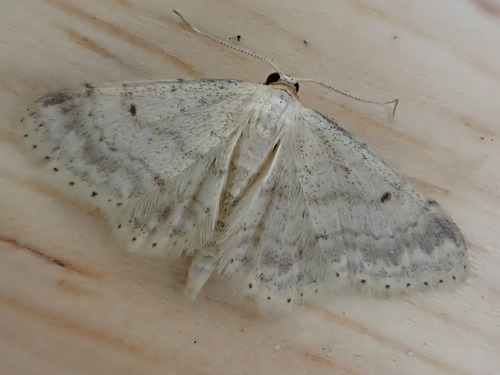
Feathered Thorn

Feathered Thorn

Colotois pennaria

Daily sighting probability <5% · Rare
at Helsinki

In 3 days ~10% in a week ~30%

14 Verified sightings at Helsinki
27 In all 4 parks From 2019 to 2026
September Best month
☀️🌙 Day & Night When it's spotted

About the Feathered Thorn

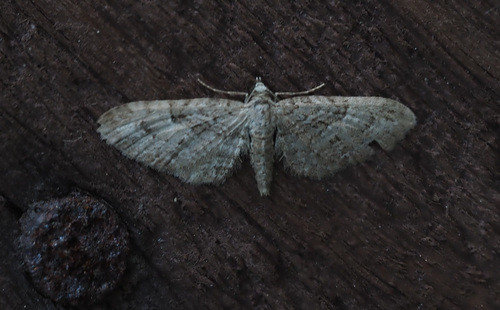
The feathered thorn (Colotois pennaria) is a moth of the family Geometridae. It was first described by Carl Linnaeus in 1761. The common name derives from the very strong feathering on the antennae of the male. Also the species name pennaria derives from the Latin suffix aria – meaning "related to or connected with" – at the end of the Latin word penna meaning "feather".

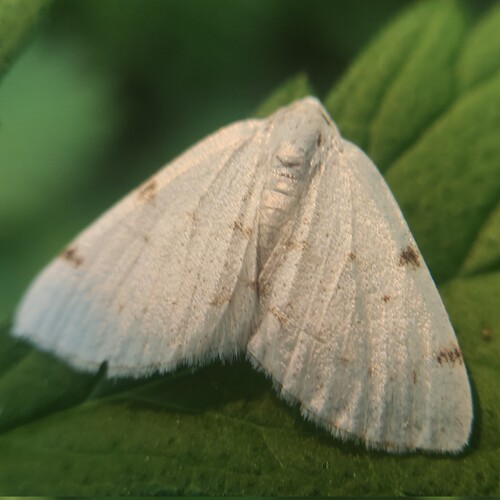
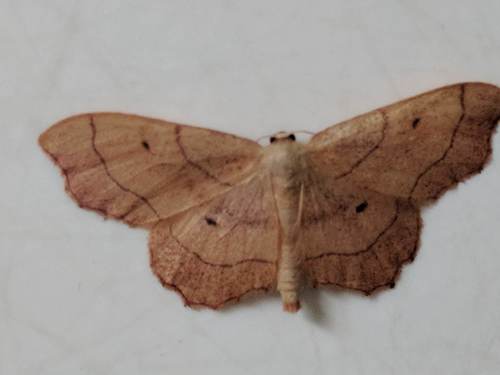
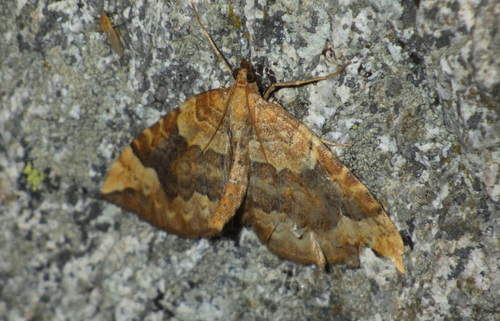
The forewings of this species are basically brown but individuals vary greatly in tone from drab light brown to much richer reddish tones. They are usually marked with two dark fascia and a small discal spot but these features can be faint or almost absent. The hindwings are lighter buffish brown. The wingspan is 46–50 mm, the males being usually larger and broader-winged than the females. Prout describes the aberrations The females tend to be rather sluggish but the males fly actively at night and are attracted to light. The species is on the wing from September to November [1].

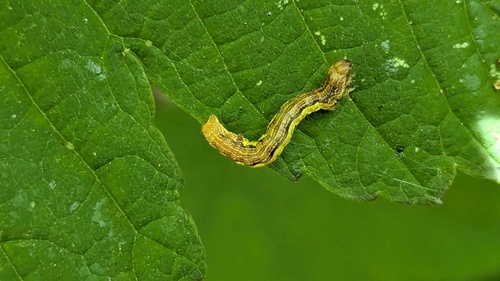
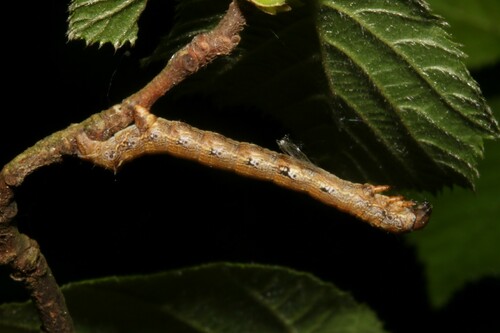
The egg is olive-green with a ring of pale specks round the micropylar end; laid in a cluster on a twig, hibernating.The caterpillar is hairless, brown or purplish grey with ochreous spots and purplish grey... Wikipedia →

Global Distribution

Parks Where Found

# Park Country Daily sighting probability
1 Snowdonia National Park 🇬🇧 United Kingdom
~10%
2 Cévennes National Park 🇫🇷 France
<5%
3 Sierra de Guadarrama National Park 🇪🇸 Spain
<5%
4 Wadden Sea National Park 🇩🇪 Germany
<5%

Cities Where Found

# City Country Daily sighting probability
1 Kharkiv 🇺🇦 Ukraine
~20%
2 Liverpool 🇬🇧 United Kingdom
~10%
3 Vienna 🇦🇹 Austria
~10%
4 Lyon 🇫🇷 France
~10%
5 Paris 🇫🇷 France
~10%
6 London 🇬🇧 United Kingdom
~10%
7 Budapest 🇭🇺 Hungary
~10%
8 Moscow 🇷🇺 Russia
<5%
9 Bucharest 🇷🇴 Romania
<5%
10 Manchester 🇬🇧 United Kingdom
<5%

Before you go

What are the chances of seeing a Feathered Thorn in Helsinki?

Rare

Under 5% of wildlife watchers report a Feathered Thorn sighting in Helsinki on a given day, based on 14 verified sightings from GBIF citizen-science data. It is the 374th most-seen of the 838 insects we can rate there. Over three days the chance rises to about 10%, and over a week to about 30%, if each day is a fresh chance.

When is the best time to see a Feathered Thorn in Helsinki?

September

In that month about 20% of wildlife watchers report a Feathered Thorn in Helsinki on a given day, against under 5% in November to August, the lowest months.

What time of day is best to see a Feathered Thorn?

Between noon and 3 pm

Across all the parks we cover, that three-hour window holds the most Feathered Thorn sightings with a recorded time, and about 7 in 10 of them come between 6 am and 6 pm: it is seen both by day and at night.

Is Helsinki the best place to see a Feathered Thorn?

11th of 21

Of the 21 cities where we can rate Feathered Thorn sightings, Helsinki ranks 11th at under 5%. The best odds are in Kharkiv (Ukraine, about 20%), Liverpool (United Kingdom, about 10%) and Vienna (Austria, about 10%).

Which relatives of the Feathered Thorn live in Helsinki?

Same family: Geometridae

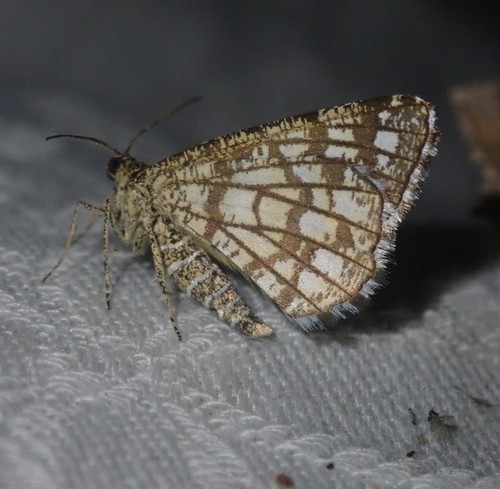
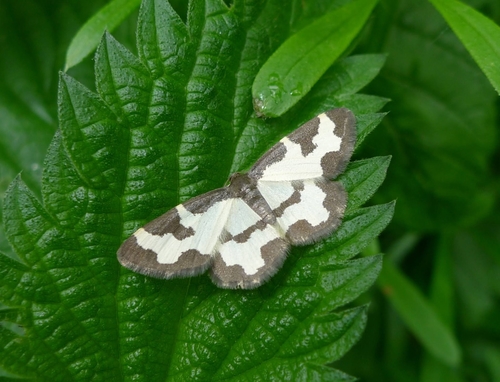
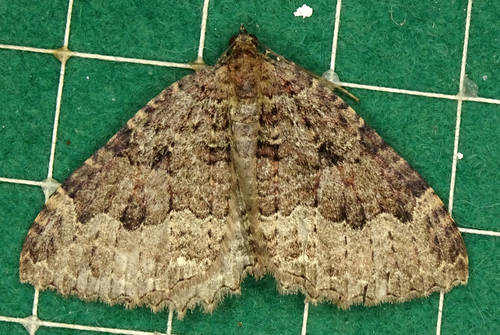
The closest relatives of the Feathered Thorn that you can see in Helsinki (family Geometridae, Geometer Moths) are Common Carpet Moth (about 10%), Mottled Umber (about 10%) and Latticed Heath (about 10%), with each one's daily chance of a sighting.

Where does the Feathered Thorn sighting chance come from?

GBIF citizen-science records

It is estimated from how often the Feathered Thorn is recorded against all the insects logged in Helsinki (14 verified sightings), calibrated against known sighting rates. Figures are rounded to the nearest 10% because citizen-science data supports honest approximations, not decimals, and months with records from fewer than five people show "—". How it works.

← Back to Helsinki