Jasmine Moth

Jasmine Moth

Palpita vitrealis

Daily sighting probability ~10% · With luck
at Istanbul

In 3 days ~20% in a week ~30%

8 Verified sightings at Istanbul
147 In all 8 parks From 2019 to 2026
December Best month
🌙 Nocturnal When it's spotted

About the Jasmine Moth

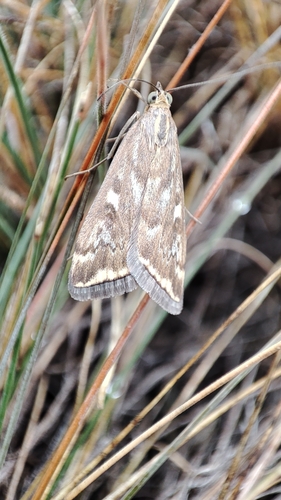
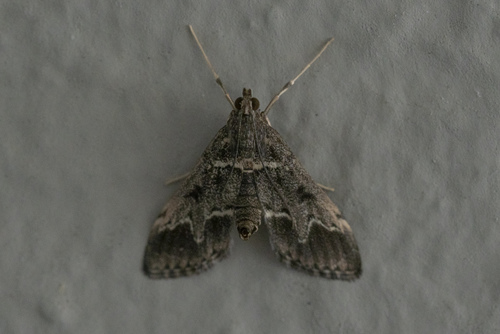
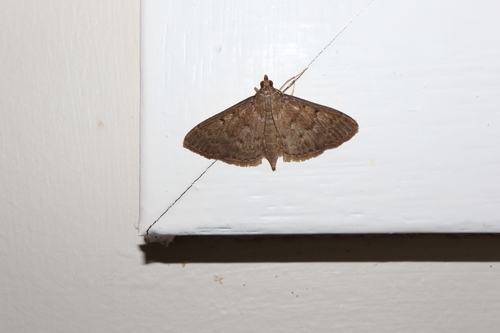
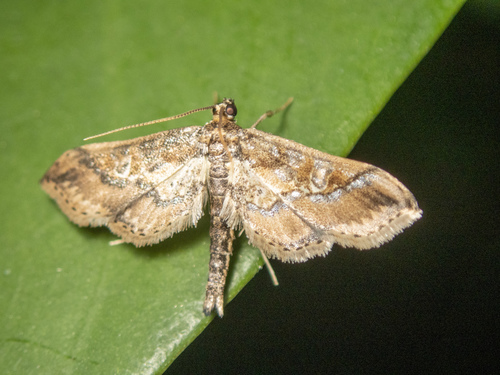
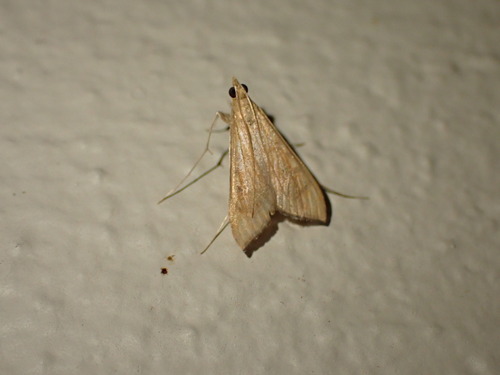
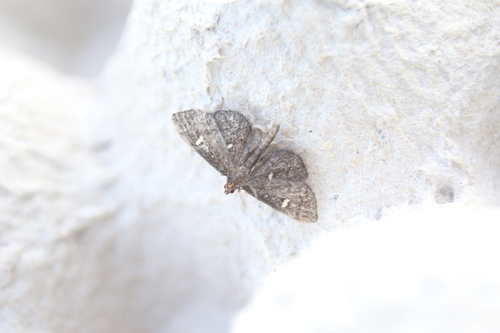
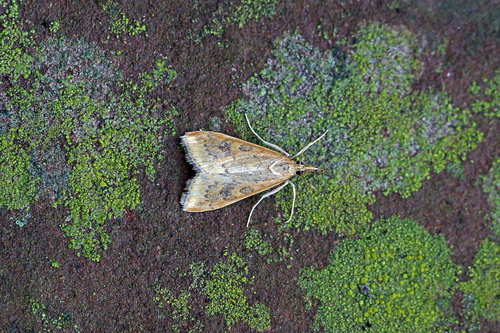
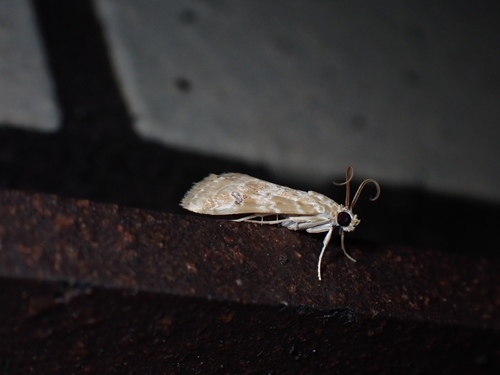
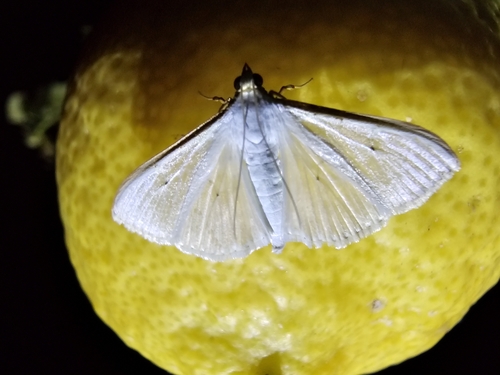
Palpita vitrealis, common name jasmine moth or white pearl, is a species of moth of the family Crambidae. This species occurs worldwide, including Africa (Equatorial Guinea, Gambia, Kenya, Sierra Leone, South Africa),Asia, Australia and Europe. In Europe, it is mainly found in southern Europe, but may be found further north.

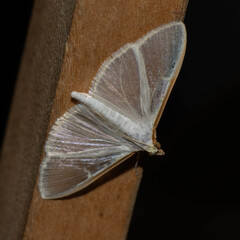
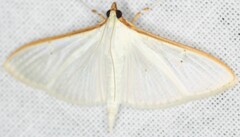
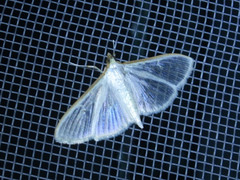
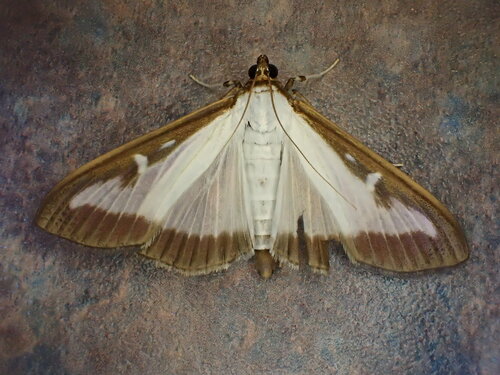
The wingspan of Palpita vitrealis can reach 27–31 mm. The body and the wings are translucent with a slight sheen. Eyes are large and reddish-brown. On the upper edge of the forewings is present a rather broad orange or brown border. The forewings also show two black spots in the middle. Legs are white and brown ringed.

These moths mainly fly from August till late October, depending on the location. They feed on nectar of various flowers, including ivy and buddleia. This species shows a migratory nature. The larvae are initially yellow, later becoming green. They can grow to a length of about 2 cms. They feed on the leaves of the host plants, mainly jasmine (Jasminum officinale), privet (Ligustrum species), Forsythia, Arbutus unedo and european olive (Olea europaea). In Africa the preferred host plants are Sida... Wikipedia →

Global Distribution

Parks Where Found

# Park Country Daily sighting probability
1 Gorongosa National Park 🇲🇿 Mozambique
~20%
2 Garden Route National Park 🇿🇦 South Africa
~10%
3 Sierra Nevada National Park 🇪🇸 Spain
~10%
4 Sierra de Guadarrama National Park 🇪🇸 Spain
~10%
5 Kruger National Park 🇿🇦 South Africa
~10%
6 Pyrénées National Park 🇫🇷 France
~10%
7 Cévennes National Park 🇫🇷 France
<5%
8 Table Mountain National Park 🇿🇦 South Africa
<5%

Cities Where Found

# City Country Daily sighting probability
1 Porto 🇵🇹 Portugal
~20%
2 Madrid 🇪🇸 Spain
~10%
3 Athens 🇬🇷 Greece
~10%
4 Rome 🇮🇹 Italy
~10%
5 Tel Aviv 🇮🇱 Israel
~10%
6 Lisbon 🇵🇹 Portugal
~10%
7 Barcelona 🇪🇸 Spain
~10%
8 Milan 🇮🇹 Italy
~10%
9 Auckland 🇳🇿 New Zealand
~10%
10 Istanbul 🇹🇷 Turkey
~10%

Before you go

What are the chances of seeing a Jasmine Moth in Istanbul?

With luck

About 10% of wildlife watchers report a Jasmine Moth sighting in Istanbul on a given day, based on 8 verified sightings from GBIF citizen-science data. It is the 173rd most-seen of the 266 insects we can rate there. Over three days the chance rises to about 20%, and over a week to about 30%, if each day is a fresh chance.

When is the best time to see a Jasmine Moth in Istanbul?

June–October and December–January

In those months about 10% of wildlife watchers report a Jasmine Moth in Istanbul on a given day, against under 5% in February–May and November, the lowest months.

What time of day is best to see a Jasmine Moth?

Between 9 pm and midnight

Across all the parks we cover, that three-hour window holds the most Jasmine Moth sightings with a recorded time, and about 8 in 10 of them come between 6 pm and 6 am: it is mostly seen at night.

Is Istanbul the best place to see a Jasmine Moth?

10th of 16

Of the 16 cities where we can rate Jasmine Moth sightings, Istanbul ranks 10th at about 10%. The best odds are in Porto (Portugal, about 20%), Madrid (Spain, about 10%) and Athens (Greece, about 10%).

Which relatives of the Jasmine Moth live in Istanbul?

Same family: Crambidae

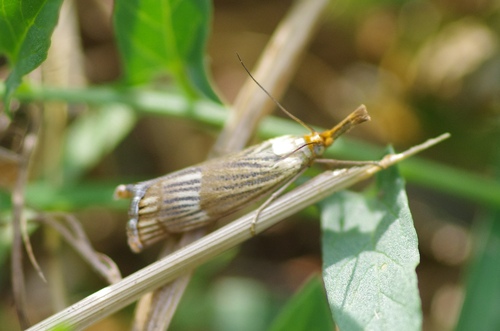
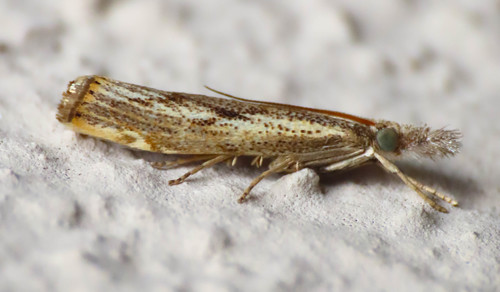
The closest relatives of the Jasmine Moth that you can see in Istanbul (family Crambidae, Crambid Snout Moths) are Rush Veneer (about 10%), Beet Webworm Moth (about 10%) and Box Tree Moth (about 10%), with each one's daily chance of a sighting.

Where does the Jasmine Moth sighting chance come from?

GBIF citizen-science records

It is estimated from how often the Jasmine Moth is recorded against all the insects logged in Istanbul (8 verified sightings), calibrated against known sighting rates. Figures are rounded to the nearest 10% because citizen-science data supports honest approximations, not decimals, and months with records from fewer than five people show "—". How it works.

← Back to Istanbul