Light Brown Apple Moth

Light Brown Apple Moth

Epiphyas postvittana

Daily sighting probability ~50% · Likely
at Liverpool

In 3 days ~90% in a week >90%

822 Verified sightings at Liverpool
25 In all 3 parks From 2019 to 2026
October Best month
🌅 Crepuscular When it's spotted

About the Light Brown Apple Moth

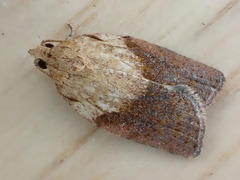
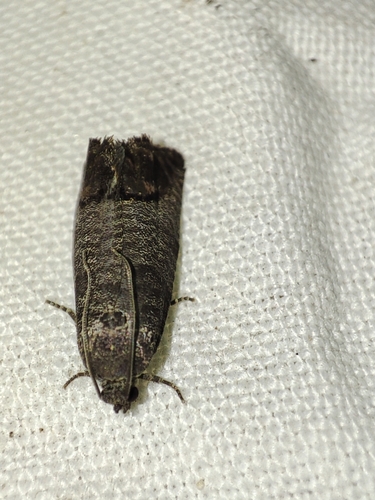
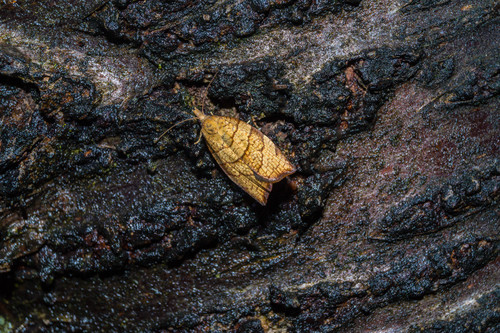
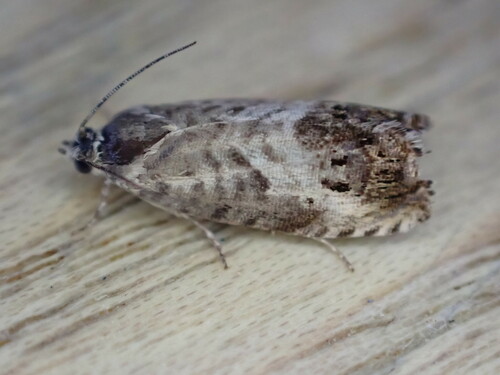
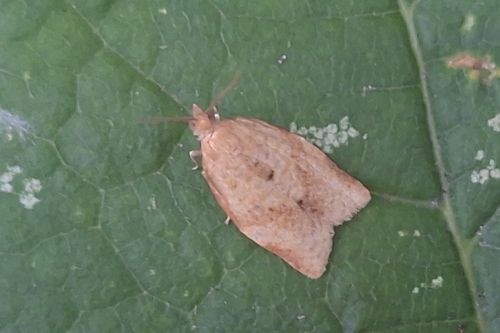
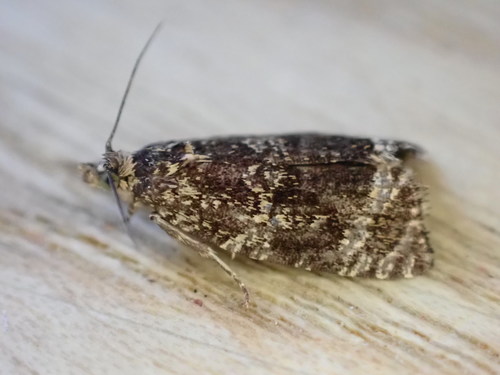
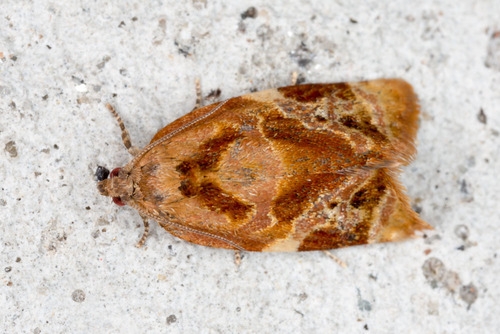
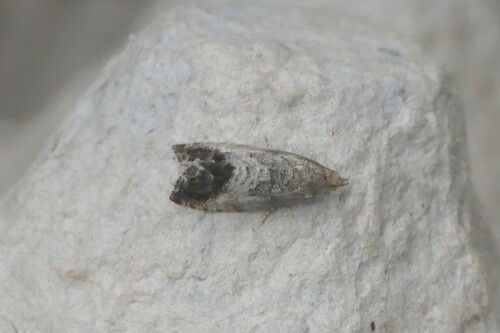
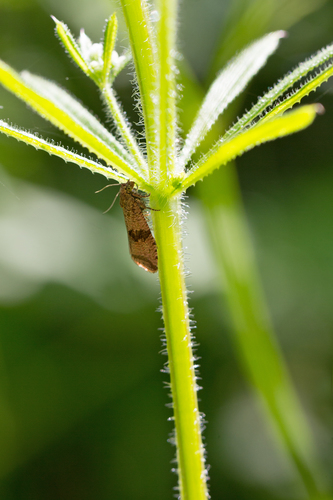
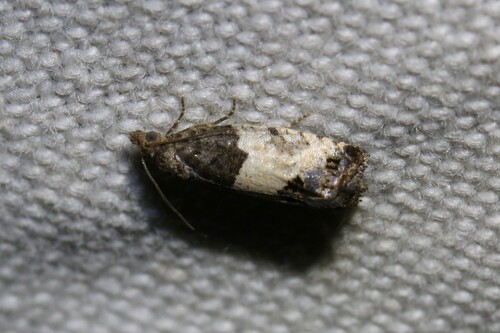
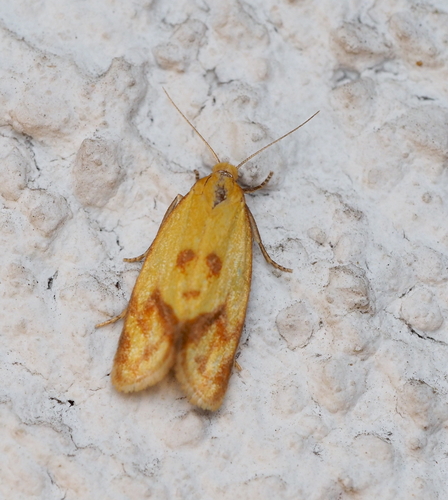
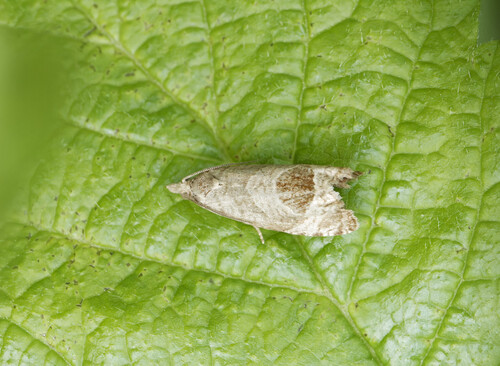
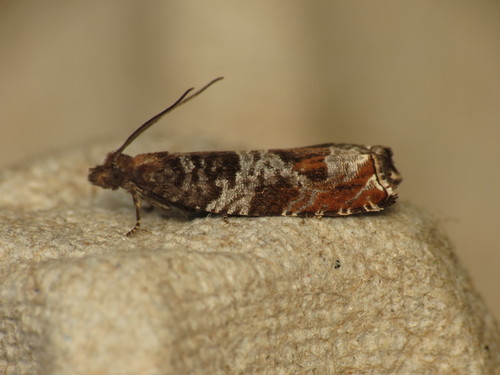
The light brown apple moth (Epiphyas postvittana), often abbreviated to LBAM, is a leafroller moth belonging to the lepidopteran family Tortricidae. Light brown apple moth adults are variable in colour and may be confused with other leafroller moths and similar species. DNA analysis is currently required to positively identify the species that are otherwise indistinguishable on gross characteristics from other moths of similar species. Typical males have a forewing length of 6–10 mm with a light brown area at the base, which is distinguishable from a much darker, red-brown area at the tip. The latter may be absent, with the moth appearing uniformly light brown, as in the females, which have only slightly darker oblique markings distinguishing the area at the tip of the wing. Females have a forewing length of 7–13 mm.

Larvae are not easily distinguished from the larvae of other tortricid leafrollers; only DNA testing is a certain identification method. The first larval instar has a dark brown head; all other instars have a light fawn head and prothoracic plate. Overwintering larvae are darker. First instar larvae are approximately 1... Wikipedia →

Global Distribution

Parks Where Found

# Park Country Daily sighting probability
1 Snowdonia National Park 🇬🇧 United Kingdom
~10%
2 Blue Mountains National Park 🇦🇺 Australia
~10%
3 Great Otway National Park 🇦🇺 Australia
<5%

Cities Where Found

# City Country Daily sighting probability
1 Liverpool 🇬🇧 United Kingdom
~50%
2 London 🇬🇧 United Kingdom
~20%
3 Birmingham 🇬🇧 United Kingdom
~20%
4 Manchester 🇬🇧 United Kingdom
~20%
5 Auckland 🇳🇿 New Zealand
~10%
6 Dublin 🇮🇪 Ireland
~10%
7 Leeds 🇬🇧 United Kingdom
~10%
8 Melbourne 🇦🇺 Australia
<5%
9 San Francisco 🇺🇸 United States
<5%
10 San Diego 🇺🇸 United States
<5%

Before you go

What are the chances of seeing a Light Brown Apple Moth in Liverpool?

Likely

About 50% of wildlife watchers report a Light Brown Apple Moth sighting in Liverpool on a given day, based on 822 verified sightings from GBIF citizen-science data. It is the 3rd most-seen of the 632 insects we can rate there. Over three days the chance rises to about 90%, and over a week to over 90%, if each day is a fresh chance.

When is the best time to see a Light Brown Apple Moth in Liverpool?

October

In that month about 80% of wildlife watchers report a Light Brown Apple Moth in Liverpool on a given day, against about 20% in January to March, the lowest months.

What time of day is best to see a Light Brown Apple Moth?

Between 9 am and noon

Across all the parks we cover, that three-hour window holds the most Light Brown Apple Moth sightings with a recorded time, and about 7 in 10 of them come between 6 am and 6 pm: it is most active around dawn and dusk.

Is Liverpool the best place to see a Light Brown Apple Moth?

Yes

Of the 10 cities where we can rate Light Brown Apple Moth sightings, Liverpool has the highest daily chance: about 50%. Next come London (United Kingdom, about 20%) and Birmingham (United Kingdom, about 20%).

Which relatives of the Light Brown Apple Moth live in Liverpool?

Same family: Tortricidae

The closest relatives of the Light Brown Apple Moth that you can see in Liverpool (family Tortricidae, Tortricid Leafroller Moths) are Codling Moth (about 20%), Chequered Fruit-Tree Tortrix (about 20%) and Acorn Piercer (about 10%), with each one's daily chance of a sighting.

Where does the Light Brown Apple Moth sighting chance come from?

GBIF citizen-science records

It is estimated from how often the Light Brown Apple Moth is recorded against all the insects logged in Liverpool (822 verified sightings), calibrated against known sighting rates. Figures are rounded to the nearest 10% because citizen-science data supports honest approximations, not decimals, and months with records from fewer than five people show "—". How it works.
← Back to Liverpool