City
Luanda
🇦🇴 Angola
Africa, Angola 197 spp. recorded
Luanda is the capital and largest city of Angola. It is Angola's primary port, and its major industrial, cultural and urban centre. Luanda and its metropolitan area is the most populous Portuguese-speaking national capital in the world and the most populous Lusophone city outside Brazil. Wikipedia
8.922° S 13.275° E
🦜 Nature

197 Species sighted
1,372 Verified sightings From 2019 to 2026
Apr Best month
⭐ Iconic Species



📊 Most Spotted











📊 Most Spotted

LC
 Peter's Dwarf Epauletted Fruit Bat
Epomophorus pusillus
⭐ Iconic Species
📊 Most Spotted
⭐ Iconic Species
📊 Most Spotted

LC
 Tropical House Gecko
Hemidactylus mabouia
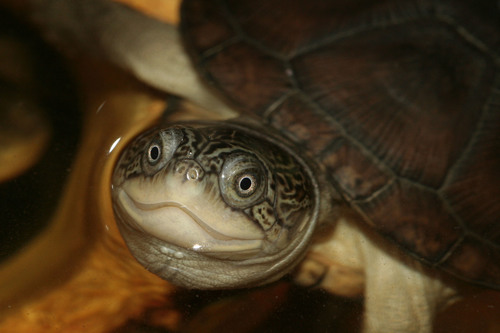
 West African Mud Turtle
Pelusios castaneus

LC
 Flap-necked Chameleon
Chamaeleo dilepis

LC
 Black-lined Plated Lizard
Gerrhosaurus nigrolineatus

Helmeted Turtle
Pelomedusa subrufa

LC
 Rainbow Agama
Agama agama

 Bocage’s Brown House Snake
Boaedon bocagei

LC
 Longhead Half-toed Gecko
Hemidactylus longicephalus

LC
 Bayon's Skink
Sepsina bayonii
📊 Most Spotted

LC
 Anchieta's Ridged Frog
Ptychadena anchietae

LC
 African Common Toad
Sclerophrys gutturalis
📊 Most Spotted
🌙 Most active after dark
LC
Tropical House Gecko
Hemidactylus mabouia
LC
Flap-necked Chameleon
Chamaeleo dilepis
LC
Bayon's Skink
Sepsina bayonii

LC
 Yellow-fronted Canary
Crithagra mozambica

LC
 Alpine Swift
Tachymarptis melba

LC
 Angola Batis
Batis minulla
Recent sightings in Luanda
LIVEiNaturalistSighting Calendar
How many species you'd see in a day
6.8Jan
0.8Feb
0.8Mar
11Apr
8May
0.4Jun
7.2Jul
8.9Aug
5.4Sep
6.8Oct
8.2Nov
0.7Dec
🏙️ City
Essentials
Green cover
Medium
Protected land
—
Protected sea
—
Protected areas
—
Wildlife spots
0
spotsZoos & centres
0
placesClimate
Hot semi-arid
World Heritage
No
Climate
Temp °C Rain mm
JanFebMarAprMayJunJulAugSepOctNovDec
0.0 Moderate
Wallace's Line Score
How good is this city for seeing wildlife? 🦜
Biodiversity
Very goodHow rich is the wildlife?
3.9
Species by taxon
🦅 Birds 458
🐒 Mammals 126
🦎 Reptiles 83
🐸 Amphibians 22
689 Total Species
679 Global average across 380 cities
28 Threatened 0 Endemic
🔭
Sighting
GoodHow likely to see animals?
2.0
🎯
Top-12 Avg Probability
35% 📊
Coverage (59 species at ≥5% of 689 in the inventory)
9% 🔀
Taxon variety in top 12 (11 bird, 1 reptile)
20% 🌟
Iconic-group species (≥15%) (every species from the 19 iconic groups — monkeys, cats, toucans, macaws, sloths, crocodilians… — not just the 4 highlighted above)
1 ⭐
High-prob species (>40%)
3 🏕️
Experience
Very goodHow easy and pleasant is the visit?
3.5
Climate Pleasant High
Green cover Medium Medium
Protected land & sea — Low
Protected areas 0 Low
Wildlife spots 0 Low
Zoos & centres 0 Low
What visitors say
Before you go
What animals can you see in Luanda?
197 species
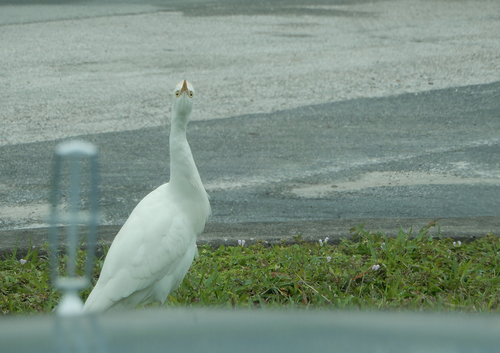
Luanda's urban area has 197 recorded vertebrate species. The ones wildlife watchers report most often on a given day are Mucoso Agama (about 50%), Pied Crow (about 50%), Cattle Egret (about 40%), House Sparrow (about 40%) and Common Bulbul (about 40%).
When is the best time to see wildlife in Luanda?
April
In that month the city's 12 most-seen species average about 50% on a given day, against about 30% in January, May, July and September–November. That is one of Luanda's wettest months, with about 80 mm of rain against almost none in July.
Can you see a Mucoso Agama in Luanda?
Yes
About 50% of wildlife watchers report a Mucoso Agama sighting in Luanda on a given day, based on 10 verified sightings from GBIF citizen-science data from 2019 to 2026. The best time is February (about 70%).
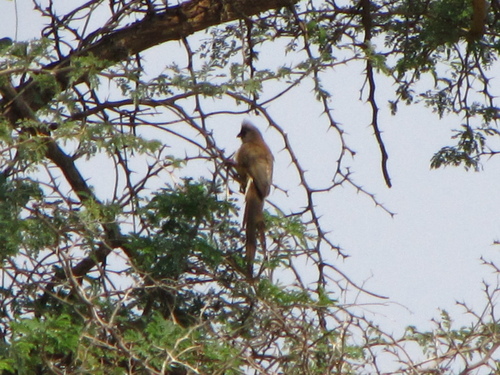
Can you see a Red-backed Mousebird in Luanda?
Yes
About 40% of wildlife watchers report a Red-backed Mousebird sighting in Luanda on a given day, based on 68 verified sightings from GBIF citizen-science data from 2019 to 2026. The best time is April and August (about 50%).
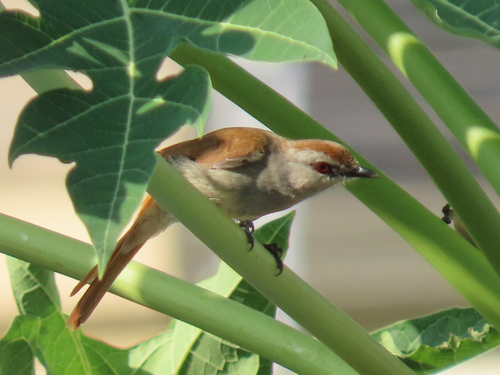
Can you see a Rufous-tailed Palm-Thrush in Luanda?
Yes
About 20% of wildlife watchers report a Rufous-tailed Palm-Thrush sighting in Luanda on a given day, based on 40 verified sightings from GBIF citizen-science data from 2019 to 2026. The best time is April (about 40%).
Is Luanda good for wildlife watching?
2.6 out of 5
On the Wallace's Line Score, which rates each city against other cities, Luanda gets 2.6/5: 371st of 380 cities worldwide and 42nd in Africa. 6 of its species are reported by about 40% or more of wildlife watchers on a given day.
Nearest Cities


Nearest Parks


Nearest Zoos & Centres


Sources: urban area GHSL Urban Centre Database R2024A, European Commission JRC (CC BY 4.0) · protected land WDPA, UNEP-WCMC & IUCN (via GHSL) · climate NASA POWER · wildlife GBIF.org citizen-science data