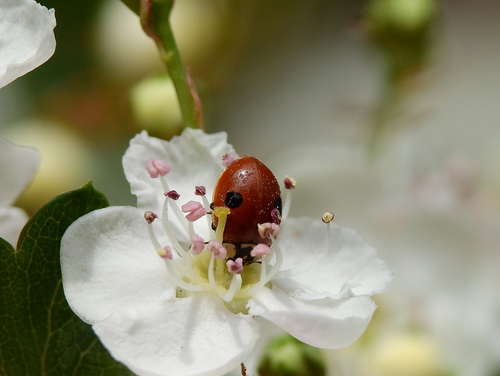
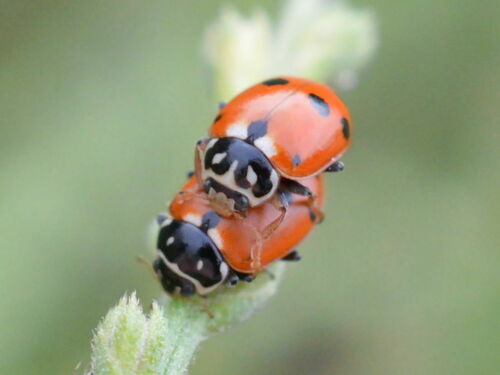
European Glow-Worm

European Glow-Worm

Lampyris noctiluca

Daily sighting probability <5% · Rare
at Milan

In 3 days ~10% in a week ~20%

5 Verified sightings at Milan
101 In all 6 parks From 2019 to 2026
July Best month
☀️🌙 Day & Night When it's spotted

About the European Glow-Worm

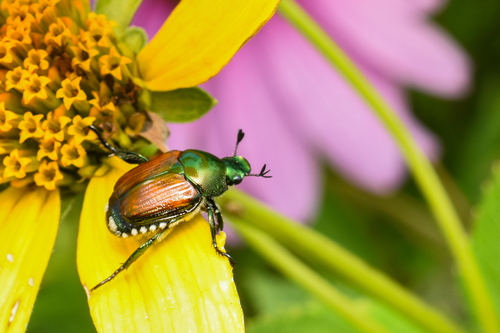
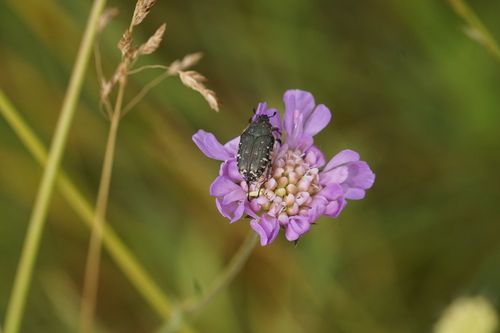
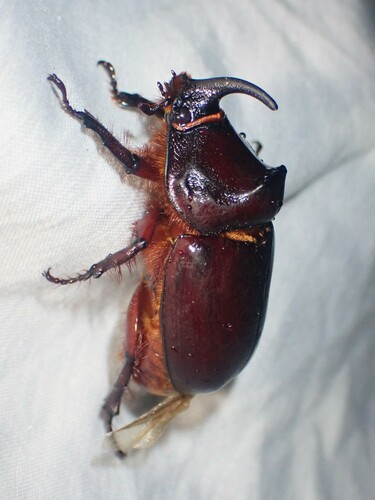
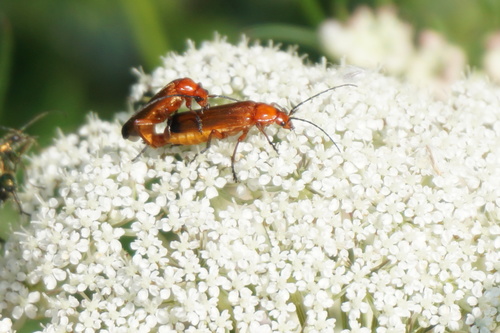
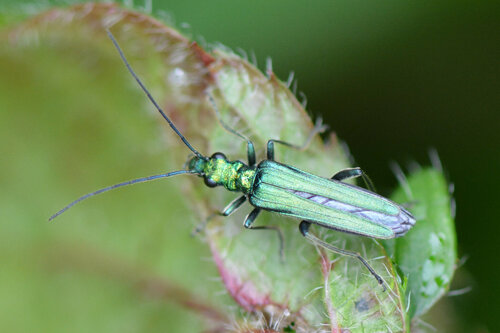
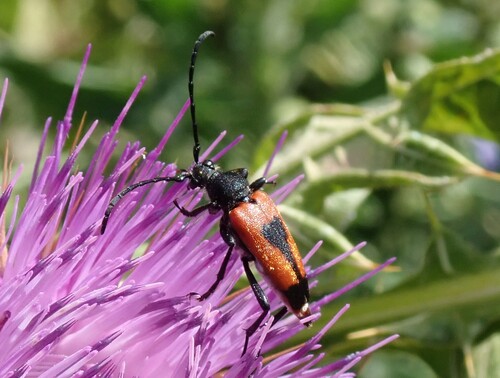
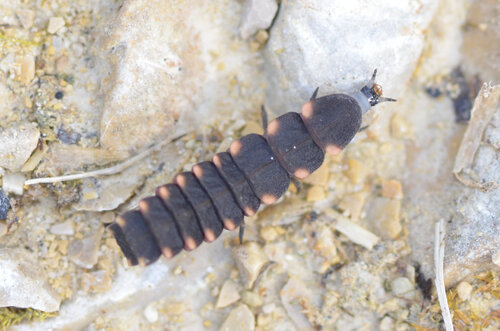
Lampyris noctiluca, the common glowworm of Europe (see also "glowworm"), is the type species of beetle in the genus Lampyris and the family Lampyridae. Lampyris noctiluca presents conspicuous sexual dimorphism. The males are winged, with brown elytra, a clearer pronotum and a large brown spot in the middle, while females are larviform, with no wings, and they are often twice the size of the males (up to 25 millimetres (1 in) in length).

These beetles use their bioluminescence to attract mates. The adult females are mostly famed for their glow, although all stages of their life cycle are capable of glowing. In Britain, this species is fairly common, compared to its cousin Phosphaenus hemipterus—the lesser glow worm—which is very rare.

The etymology of Lampyrus is from Greek for "shining ones"; the genus includes species known as fireflies or lightning bugs. Contrary to its name, it is not worm-like, but a beetle. These beetles are typically the most active at night and spend their day under debris, or in the ground. The larvae are also nocturnal and rarely seen, only coming out when the conditions are right in the months of April to October. The adult stage is much shorter than the larvae stage but they are much easier to spot then as they glow for a few hours and only stop glowing after mating. Wikipedia →
Global Distribution

Parks Where Found

# Park Country Daily sighting probability
1 Białowieża National Park 🇵🇱 Poland
~10%
2 Mercantour National Park 🇫🇷 France
~10%
3 Cévennes National Park 🇫🇷 France
~10%
4 Snowdonia National Park 🇬🇧 United Kingdom
~10%
5 Pyrénées National Park 🇫🇷 France
~10%
6 Bavarian Forest National Park 🇩🇪 Germany
~10%

Cities Where Found

# City Country Daily sighting probability
1 Lyon 🇫🇷 France
~10%
2 Helsinki 🇫🇮 Finland
~10%
3 Paris 🇫🇷 France
~10%
4 Budapest 🇭🇺 Hungary
~10%
5 Cologne 🇩🇪 Germany
<5%
6 Vienna 🇦🇹 Austria
<5%
7 Brussels 🇧🇪 Belgium
<5%
8 Kyiv 🇺🇦 Ukraine
<5%
9 Milan 🇮🇹 Italy
<5%
10 Berlin 🇩🇪 Germany
<5%

Before you go

What are the chances of seeing a European Glow-Worm in Milan?

Rare

Under 5% of wildlife watchers report a European Glow-Worm sighting in Milan on a given day, based on 5 verified sightings from GBIF citizen-science data. It is the 315th most-seen of the 351 insects we can rate there. Over three days the chance rises to about 10%, and over a week to about 20%, if each day is a fresh chance.

When is the best time to see a European Glow-Worm in Milan?

July and October

In those months about 10% of wildlife watchers report a European Glow-Worm in Milan on a given day, against under 5% in August–September and November–June, the lowest months.

What time of day is best to see a European Glow-Worm?

Between 9 pm and midnight

Across all the parks we cover, that three-hour window holds the most European Glow-Worm sightings with a recorded time, and about 6 in 10 of them come between 6 am and 6 pm: it is seen both by day and at night.

Is Milan the best place to see a European Glow-Worm?

9th of 13

Of the 13 cities where we can rate European Glow-Worm sightings, Milan ranks 9th at under 5%. The best odds are in Lyon (France, about 10%), Helsinki (Finland, about 10%) and Paris (France, about 10%).

Where does the European Glow-Worm sighting chance come from?

GBIF citizen-science records

It is estimated from how often the European Glow-Worm is recorded against all the insects logged in Milan (5 verified sightings), calibrated against known sighting rates. Figures are rounded to the nearest 10% because citizen-science data supports honest approximations, not decimals, and months with records from fewer than five people show "—". How it works.

← Back to Milan