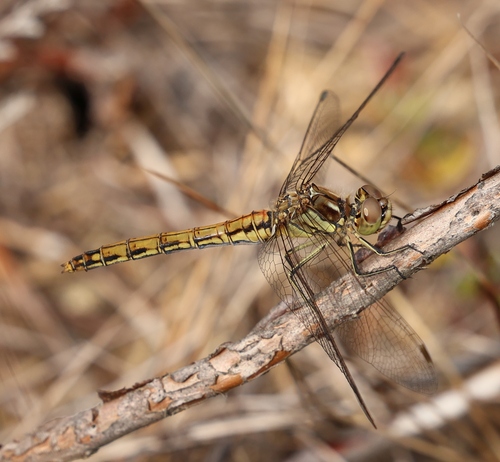
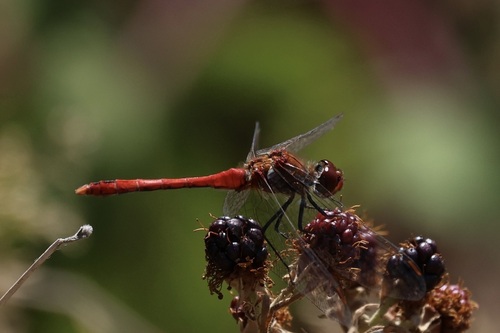
Emerald Spreadwing

Emerald Spreadwing

Lestes dryas

Daily sighting probability <5% · Rare
at Novosibirsk

In 3 days ~10% in a week ~30%

7 Verified sightings at Novosibirsk
90 In all 7 parks From 2019 to 2026
July Best month
☀️ Diurnal When it's spotted

About the Emerald Spreadwing

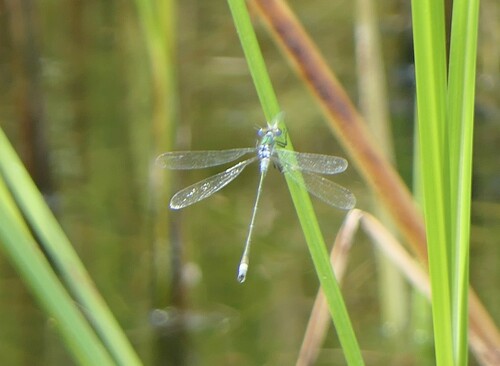
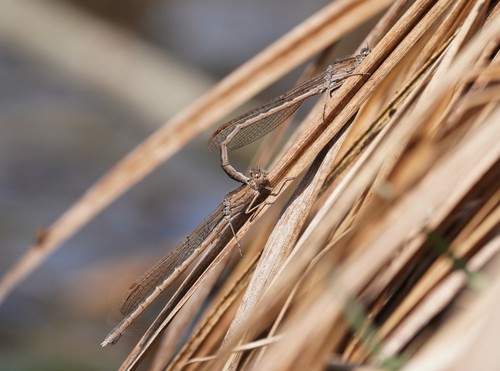
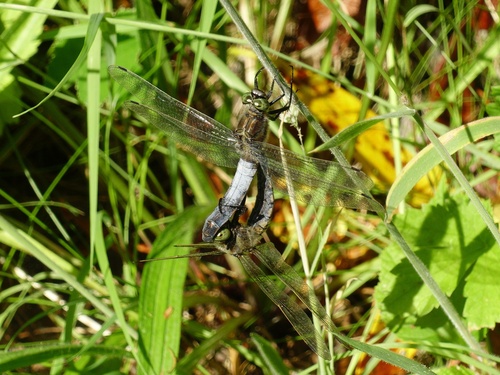
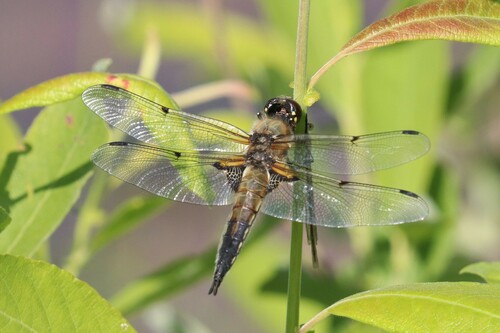
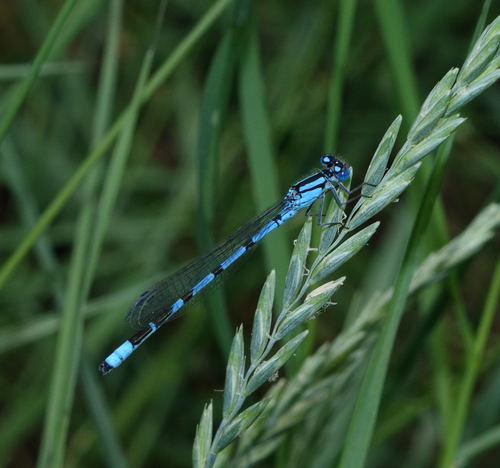
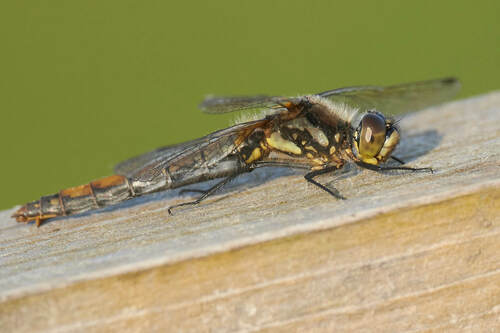
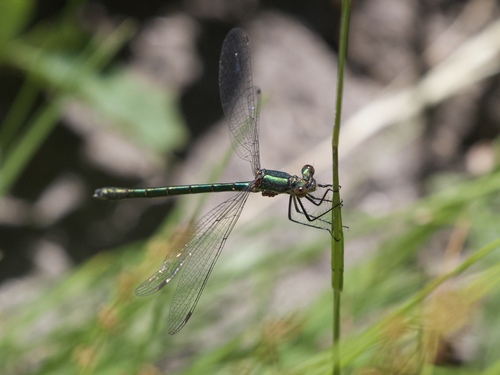
Lestes dryas is a species of damselfly in the family Lestidae, the spreadwings. Its common names include emerald spreadwing, scarce emerald damselfly and robust spreadwing. An alternate name in Ireland is the turlough spreadwing.

This species is native to the Holarctic, especially northern parts of Eurasia and North America. It is relictual in North Africa. Lestes dryas can tolerate extreme conditions that few other dragonflies can survive. This damselfly is about 35 to 42 millimetres (1.4 to 1.7 in) long, with the males generally longer than the females. The males have a wingspan of about 45 millimetres (1.8 in), and the females of about 47 millimetres (1.9 in).

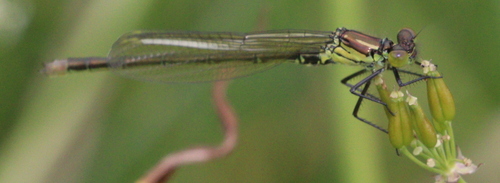
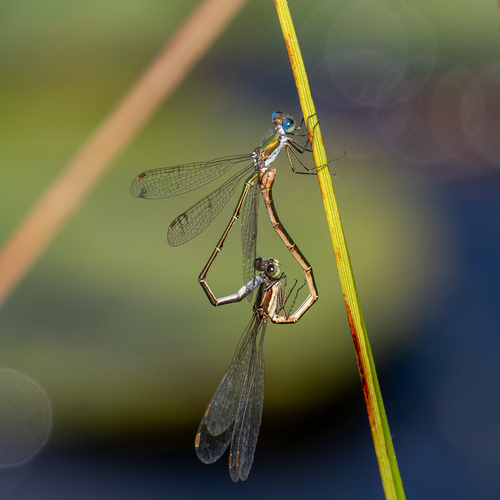
Like the other members of the genus Lestes, both sexes of L. dryas have largely metallic green bodies with a bronze iridescence. They usually rest with their wings half spread. L. dryas is very similar in appearance to the emerald damselfly Lestes sponsa and care must be taken to tell the two species apart.

The male has blue eyes. Powder blue pruinescence develops on the damselflies as they age. However all Lestes are very similar in appearance and it is the shape and colour of the anal appendage that... Wikipedia →
Global Distribution

Parks Where Found

# Park Country Daily sighting probability
1 Cape Breton Highlands National Park 🇨🇦 Canada
~10%
2 Mercantour National Park 🇫🇷 France
~10%
3 Pyrénées National Park 🇫🇷 France
~10%
4 Yosemite National Park 🇺🇸 United States
~10%
5 Cévennes National Park 🇫🇷 France
~10%
6 Glacier National Park 🇺🇸 United States
~10%
7 Rocky Mountain National Park 🇺🇸 United States
<5%

Cities Where Found

# City Country Daily sighting probability
1 Novosibirsk 🇷🇺 Russia
<5%
2 Moscow 🇷🇺 Russia
<5%
3 Copenhagen 🇩🇰 Denmark
<5%
4 Toronto 🇨🇦 Canada
<5%
5 Chicago 🇺🇸 United States
<5%
6 Boston 🇺🇸 United States
<5%

Before you go

What are the chances of seeing an Emerald Spreadwing in Novosibirsk?

Rare

Under 5% of wildlife watchers report an Emerald Spreadwing sighting in Novosibirsk on a given day, based on 7 verified sightings from GBIF citizen-science data. It is the 190th most-seen of the 216 insects we can rate there. Over three days the chance rises to about 10%, and over a week to about 30%, if each day is a fresh chance.

When is the best time to see an Emerald Spreadwing in Novosibirsk?

June and July

In those months about 10% of wildlife watchers report an Emerald Spreadwing in Novosibirsk on a given day, against under 5% in August to May, the lowest months. Those are among Novosibirsk's wettest months, with about 65 mm of rain a month against 25 mm in February.

What time of day is best to see an Emerald Spreadwing?

Between 11 am and 2 pm

Across all the parks we cover, that three-hour window holds the most Emerald Spreadwing sightings with a recorded time, and about 9 in 10 of them come between 6 am and 6 pm: it is a daytime animal.

Is Novosibirsk the best place to see an Emerald Spreadwing?

Yes

Of the 6 cities where we can rate Emerald Spreadwing sightings, Novosibirsk has the highest daily chance: under 5%. Next come Moscow (Russia, under 5%) and Copenhagen (Denmark, under 5%).

Where does the Emerald Spreadwing sighting chance come from?

GBIF citizen-science records

It is estimated from how often the Emerald Spreadwing is recorded against all the insects logged in Novosibirsk (7 verified sightings), calibrated against known sighting rates. Figures are rounded to the nearest 10% because citizen-science data supports honest approximations, not decimals, and months with records from fewer than five people show "—". How it works.

← Back to Novosibirsk