Mallow Skipper

Mallow Skipper

Carcharodus alceae

Daily sighting probability ~10% · With luck
at Rome

In 3 days ~20% in a week ~50%

20 Verified sightings at Rome
146 In all 6 parks From 2019 to 2026
June Best month
☀️ Diurnal When it's spotted

About the Mallow Skipper

Carcharodus alceae, commonly known as the mallow skipper, is a species of butterfly of the family Hesperiidae. The scientific Latin species name alceae refers to the host plants Althaea, which, in turn, are named after the ancient Greek poet Alcaeus of Mytilene.

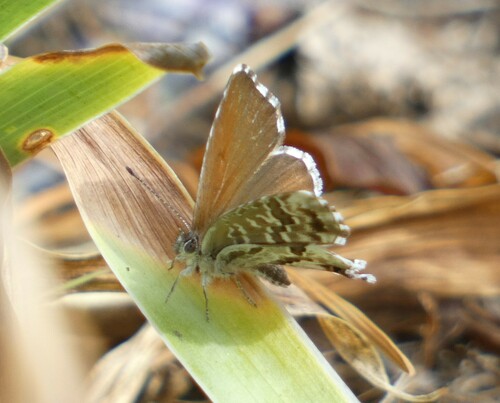
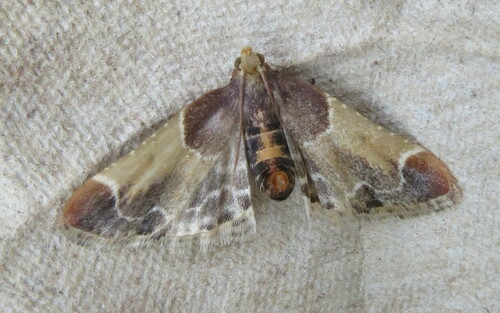
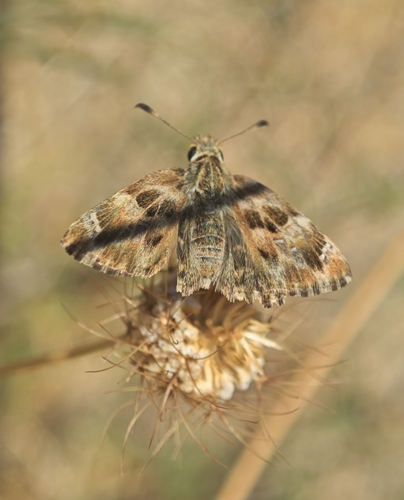
The background colour of the forewings is pinkish brown, with approximately square brown markings, short, white transverse stripes running from the edge and clear patches on the discal area. Hindwings are brownish or grey-brown, with some prominent brighter spots on the underside. Males are without hair tuft on forewings underside. Antennae have cherry brown tips.

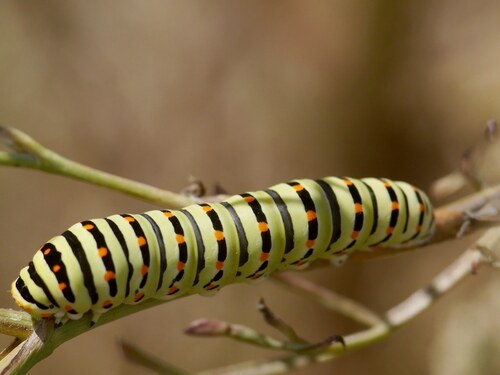
The eggs are yellowish and hemispherical and the surface is covered with elongated warts, connected each other with low ribs. The egg has a prickly appearance. In the course of the development they turn red. The caterpillars can reach a length of about 23 millimetres (0.91 in). They are dark... Wikipedia →

Global Distribution

Parks Where Found

# Park Country Daily sighting probability
1 Aigüestortes National Park 🇪🇸 Spain
~10%
2 Picos de Europa National Park 🇪🇸 Spain
~10%
3 Cévennes National Park 🇫🇷 France
~10%
4 Bavarian Forest National Park 🇩🇪 Germany
~10%
5 Sierra de Guadarrama National Park 🇪🇸 Spain
~10%
6 Pyrénées National Park 🇫🇷 France
~10%

Cities Where Found

# City Country Daily sighting probability
1 Antalya 🇹🇷 Turkey
~20%
2 Izmir 🇹🇷 Turkey
~20%
3 Jerusalem 🇮🇱 Israel
~20%
4 Athens 🇬🇷 Greece
~20%
5 Tehran 🇮🇷 Iran
~20%
6 Budapest 🇭🇺 Hungary
~10%
7 Barcelona 🇪🇸 Spain
~10%
8 Lyon 🇫🇷 France
~10%
9 Tel Aviv 🇮🇱 Israel
~10%
10 Istanbul 🇹🇷 Turkey
~10%

Before you go

What are the chances of seeing a Mallow Skipper in Rome?

With luck

About 10% of wildlife watchers report a Mallow Skipper sighting in Rome on a given day, based on 20 verified sightings from GBIF citizen-science data. It is the 77th most-seen of the 289 insects we can rate there. Over three days the chance rises to about 20%, and over a week to about 50%, if each day is a fresh chance.

When is the best time to see a Mallow Skipper in Rome?

June

In that month about 20% of wildlife watchers report a Mallow Skipper in Rome on a given day, against under 5% in July and November–March, the lowest months. That is one of Rome's driest months, with about 35 mm of rain against 110 mm in November.

What time of day is best to see a Mallow Skipper?

Between 11 am and 2 pm

Across all the parks we cover, that three-hour window holds the most Mallow Skipper sightings with a recorded time, and about 9 in 10 of them come between 6 am and 6 pm: it is a daytime animal.

Is Rome the best place to see a Mallow Skipper?

11th of 23

Of the 23 cities where we can rate Mallow Skipper sightings, Rome ranks 11th at about 10%. The best odds are in Antalya (Turkey, about 20%), Izmir (Turkey, about 20%) and Jerusalem (Israel, about 20%).

Which relatives of the Mallow Skipper live in Rome?

Same order: Lepidoptera

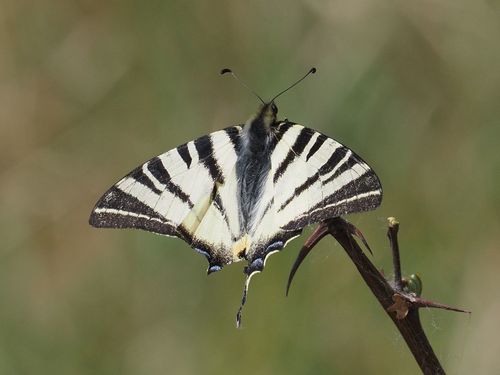
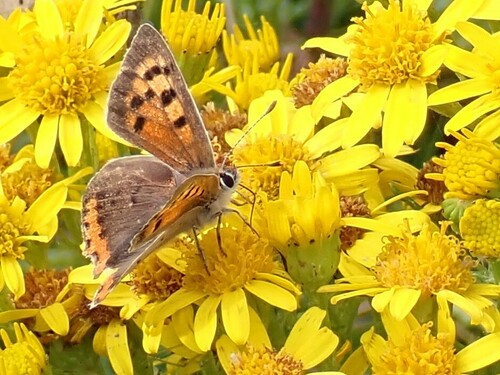
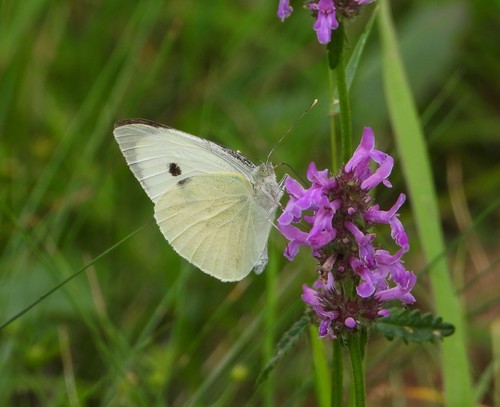
The closest relatives of the Mallow Skipper that you can see in Rome (order Lepidoptera, Butterflies and Moths) are Red Admiral (about 30%), Geranium Bronze (about 20%) and Scarce Swallowtail (about 20%), with each one's daily chance of a sighting.

Where does the Mallow Skipper sighting chance come from?

GBIF citizen-science records

It is estimated from how often the Mallow Skipper is recorded against all the insects logged in Rome (20 verified sightings), calibrated against known sighting rates. Figures are rounded to the nearest 10% because citizen-science data supports honest approximations, not decimals, and months with records from fewer than five people show "—". How it works.

← Back to Rome