Sycamore Tussock Moth

Sycamore Tussock Moth

Halysidota harrisii

Daily sighting probability <5% · Rare
at San Antonio

In 3 days ~10% in a week ~20%

5 Verified sightings at San Antonio
142 In all 3 parks From 2019 to 2026
May Best month
☀️ Diurnal When it's spotted

About the Sycamore Tussock Moth

Halysidota harrisii, the sycamore tiger moth, is a moth belonging to the family Erebidae and the tribe Arctiini, the tiger moths. The species was first described by Benjamin Dann Walsh in 1864. It is found in southeastern Canada, the eastern parts of the United States, and northeastern Mexico.

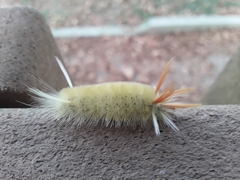
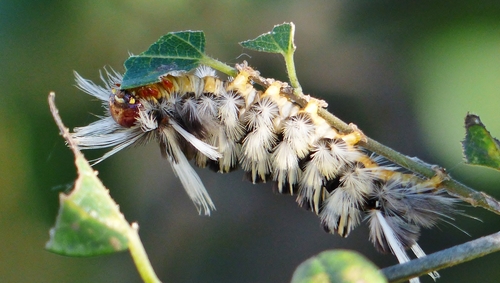
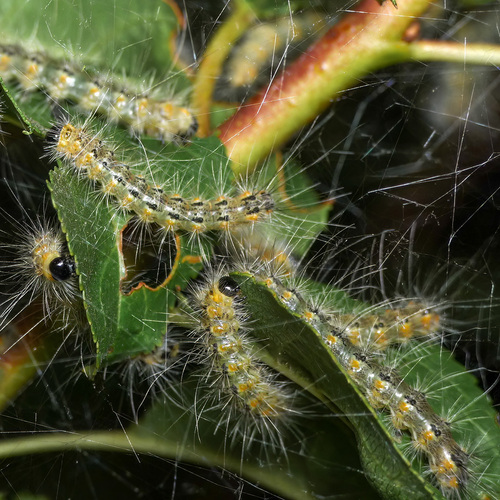
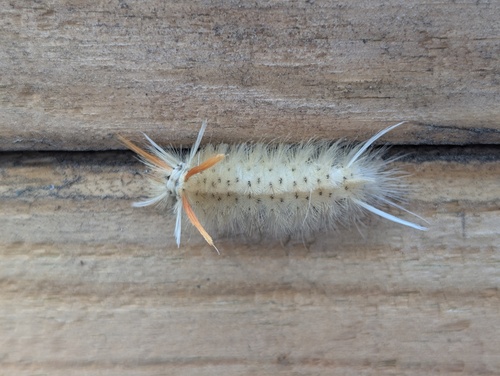
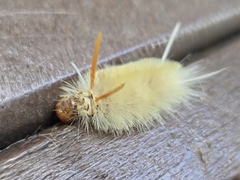
The larvae have yellow-orange heads and bodies covered with hair, and they can grow to approximately 25–35 mm in length. They exhibit two pairs of long, orange hair-pencils and two pairs of white hair-pencils towards the front of their body. They also exhibit one pair of white hair-pencils near the back of their body.

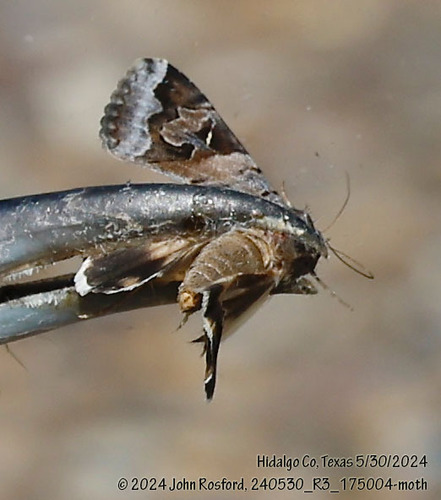
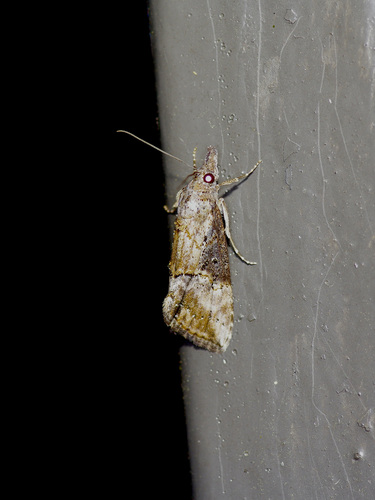
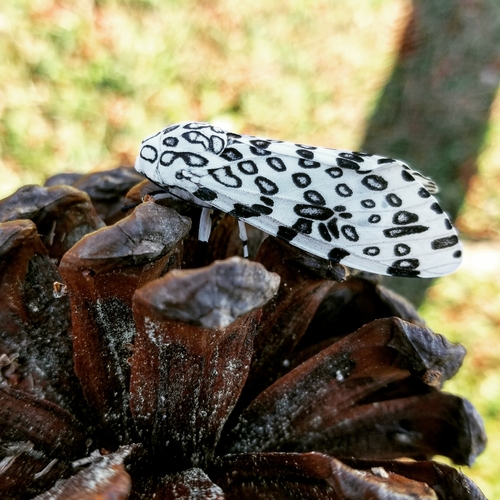
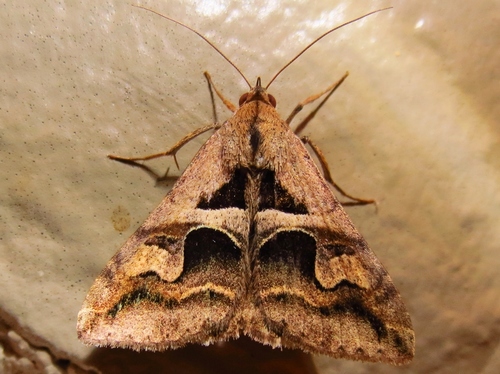
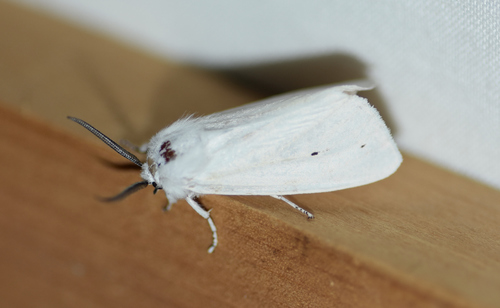
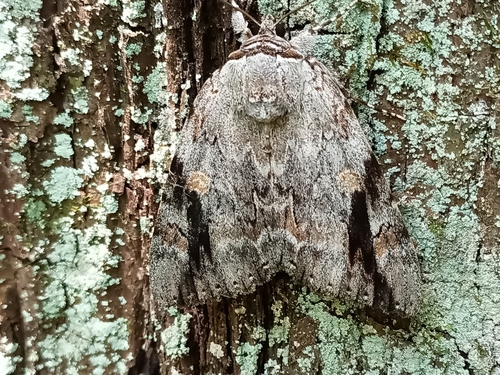
The adults are pale yellow with dark bands on the forewings. Each forewing is 24–26 mm in length, making the wingspan approximately 50 mm. As adults, they are almost indistinguishable from the closely related Halysidota tesselaris.

The sycamore tiger moth produces two generations each year. Moths emerge from overwintering cocoons from May to June. After mating, they lay egg masses on bark and the underside of leaves. The larvae feed on the American sycamore tree, Platanus occidentalis. They pupate in late June and July, and emerge as moths in July... Wikipedia →
Global Distribution

Parks Where Found

# Park Country Daily sighting probability
1 Great Smoky Mountains National Park 🇺🇸 United States
~20%
2 Shenandoah National Park 🇺🇸 United States
~10%
3 Cumbres de Monterrey National Park 🇲🇽 Mexico
~10%

Cities Where Found

# City Country Daily sighting probability
1 Detroit 🇺🇸 United States
~10%
2 Baltimore 🇺🇸 United States
~10%
3 Philadelphia 🇺🇸 United States
~10%
4 New York City 🇺🇸 United States
~10%
5 Washington 🇺🇸 United States
~10%
6 Chicago 🇺🇸 United States
<5%
7 Boston 🇺🇸 United States
<5%
8 Houston 🇺🇸 United States
<5%
9 Monterrey 🇲🇽 México
<5%
10 Austin 🇺🇸 United States
<5%

Before you go

What are the chances of seeing a Sycamore Tussock Moth in San Antonio?

Rare

Under 5% of wildlife watchers report a Sycamore Tussock Moth sighting in San Antonio on a given day, based on 5 verified sightings from GBIF citizen-science data. It is the 625th most-seen of the 697 insects we can rate there. Over three days the chance rises to about 10%, and over a week to about 20%, if each day is a fresh chance.

When is the best time to see a Sycamore Tussock Moth in San Antonio?

Any time of year

In every month with enough records, under 5% of wildlife watchers report a Sycamore Tussock Moth in San Antonio on a given day, so our monthly data shows no clear season.

What time of day is best to see a Sycamore Tussock Moth?

Between 11 am and 2 pm

Across all the parks we cover, that three-hour window holds the most Sycamore Tussock Moth sightings with a recorded time, and about 9 in 10 of them come between 6 am and 6 pm: it is a daytime animal.

Is San Antonio the best place to see a Sycamore Tussock Moth?

11th of 11

Of the 11 cities where we can rate Sycamore Tussock Moth sightings, San Antonio ranks 11th at under 5%. The best odds are in Detroit (United States, about 10%), Baltimore (United States, about 10%) and Philadelphia (United States, about 10%).

Where does the Sycamore Tussock Moth sighting chance come from?

GBIF citizen-science records

It is estimated from how often the Sycamore Tussock Moth is recorded against all the insects logged in San Antonio (5 verified sightings), calibrated against known sighting rates. Figures are rounded to the nearest 10% because citizen-science data supports honest approximations, not decimals, and months with records from fewer than five people show "—". How it works.

← Back to San Antonio