Oleander Aphid

Oleander Aphid

Aphis nerii

Daily sighting probability ~10% · With luck
at San Diego

In 3 days ~20% in a week ~30%

139 Verified sightings at San Diego
134 In all 12 parks From 2019 to 2026
September Best month
☀️ Diurnal When it's spotted

About the Oleander Aphid

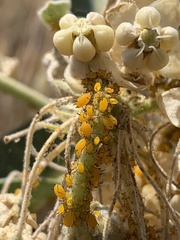
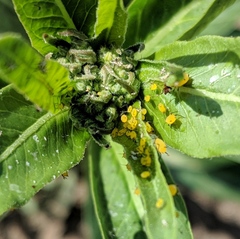
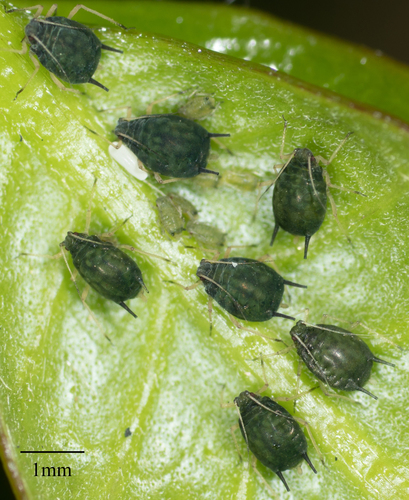
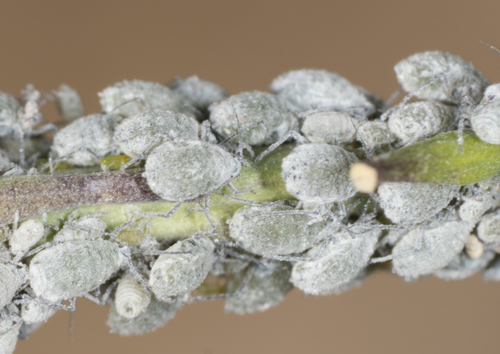
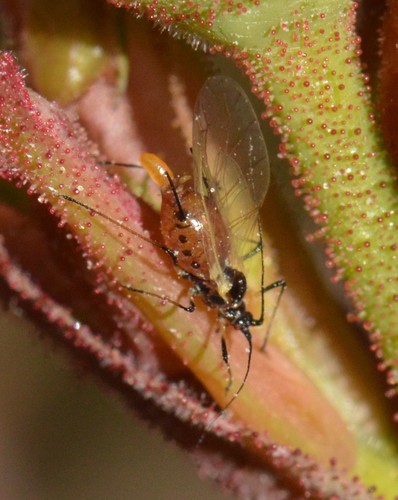
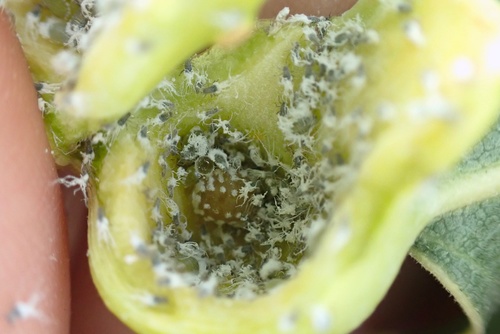
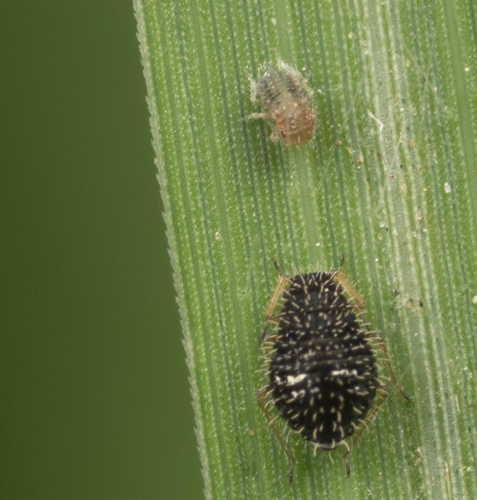
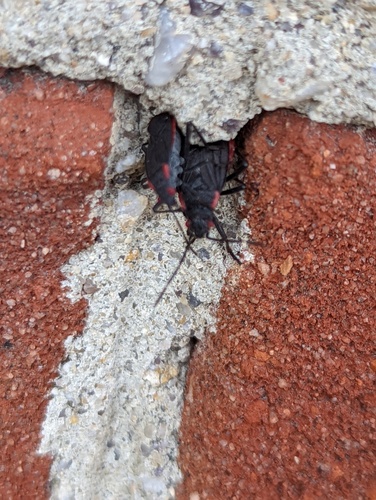
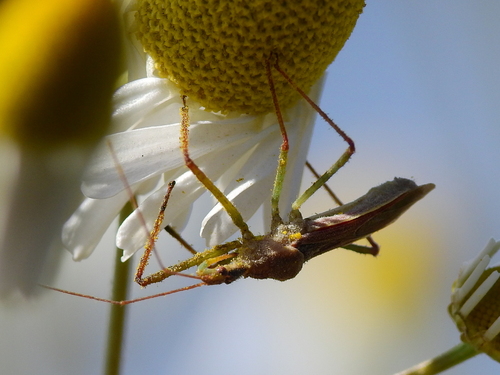
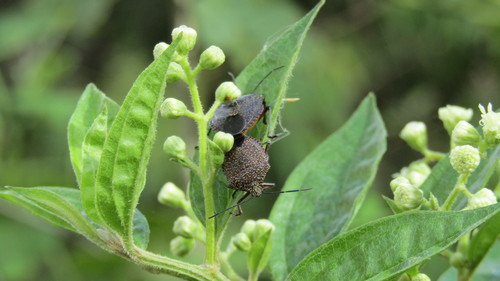
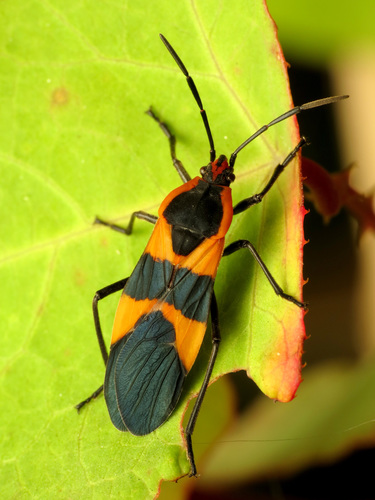
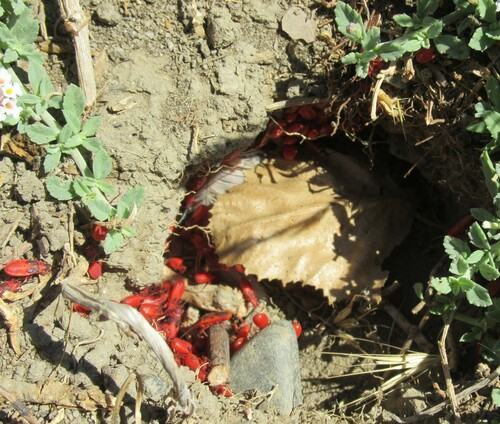
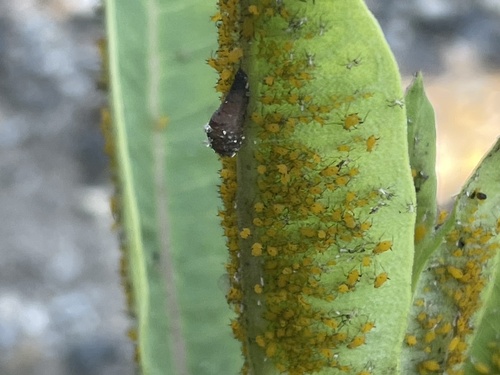
Aphis nerii is an aphid of the family Aphididae. Its common names include oleander aphid, milkweed aphid, sweet pepper aphid, and nerium aphid. The oleander aphid is widespread in regions with tropical and Mediterranean climates.

In Poland, oleander aphid has only been reported from a glasshouse. Small populations of oleander aphid are present in gardens in London, England. Female aphids lay live young (nymphs), a process known as viviparity. Female aphids reproduce by parthenogenesis. Males have never been observed in the wild but have been produced under laboratory conditions. Females may be wingless or winged (alate), the production of the alate form occurs at a higher rate in regions where the aphid must migrate to temporary hosts each year.

Oleander aphid has a wide range of hosts, but mainly feeds on plants in the dogbane family, including milkweeds, oleander and periwinkle. It is occasionally recorded feeding on plants in the bindweed family, daisy family and spurge family as well as rarely being recorded on Citrus.

Oleander aphid can act as a vector of viruses in the genus Potyvirus and Cucumovirus. The following viruses... Wikipedia →
Global Distribution

Parks Where Found

# Park Country Daily sighting probability
1 Biotopo Cerro Cahuí 🇬🇹 Guatemala
~10%
2 Shenandoah National Park 🇺🇸 United States
~10%
3 Joshua Tree National Park 🇺🇸 United States
~10%
4 Zion National Park 🇺🇸 United States
~10%
5 Grand Canyon National Park 🇺🇸 United States
~10%
6 Royal National Park 🇦🇺 Australia
~10%
7 Addo Elephant National Park 🇿🇦 South Africa
~10%
8 Yosemite National Park 🇺🇸 United States
~10%
9 Garden Route National Park 🇿🇦 South Africa
~10%
10 Saguaro National Park 🇺🇸 United States
<5%
11 Cumbres de Monterrey National Park 🇲🇽 Mexico
<5%
12 Table Mountain National Park 🇿🇦 South Africa
<5%

Cities Where Found

# City Country Daily sighting probability
1 Cairo 🇪🇬 Egypt
~20%
2 Kuwait City 🇰🇼 Kuwait
~20%
3 Boston 🇺🇸 United States
~20%
4 Ciudad Juárez 🇲🇽 México
~20%
5 Mendoza 🇦🇷 Argentina
~10%
6 Puebla 🇲🇽 México
~10%
7 Kathmandu 🇳🇵 Nepal
~10%
8 Rosario 🇦🇷 Argentina
~10%
9 Auckland 🇳🇿 New Zealand
~10%
10 Mesa 🇺🇸 United States
~10%

Before you go

What are the chances of seeing an Oleander Aphid in San Diego?

With luck

About 10% of wildlife watchers report an Oleander Aphid sighting in San Diego on a given day, based on 139 verified sightings from GBIF citizen-science data. It is the 83rd most-seen of the 693 insects we can rate there. Over three days the chance rises to about 20%, and over a week to about 30%, if each day is a fresh chance.

When is the best time to see an Oleander Aphid in San Diego?

April, June–October and December

In those months about 10% of wildlife watchers report an Oleander Aphid in San Diego on a given day, against under 5% in January–March, May and November, the lowest months.

What time of day is best to see an Oleander Aphid?

Between 10 am and 1 pm

Across all the parks we cover, that three-hour window holds the most Oleander Aphid sightings with a recorded time, and about 9 in 10 of them come between 6 am and 6 pm: it is a daytime animal.

Is San Diego the best place to see an Oleander Aphid?

53rd of 79

Of the 79 cities where we can rate Oleander Aphid sightings, San Diego ranks 53rd at about 10%. The best odds are in Cairo (Egypt, about 20%), Kuwait City (Kuwait, about 20%) and Boston (United States, about 20%).

Where does the Oleander Aphid sighting chance come from?

GBIF citizen-science records

It is estimated from how often the Oleander Aphid is recorded against all the insects logged in San Diego (139 verified sightings), calibrated against known sighting rates. Figures are rounded to the nearest 10% because citizen-science data supports honest approximations, not decimals, and months with records from fewer than five people show "—". How it works.

← Back to San Diego