Completed
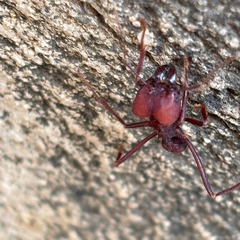
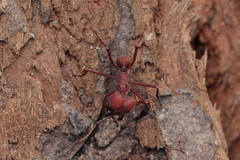
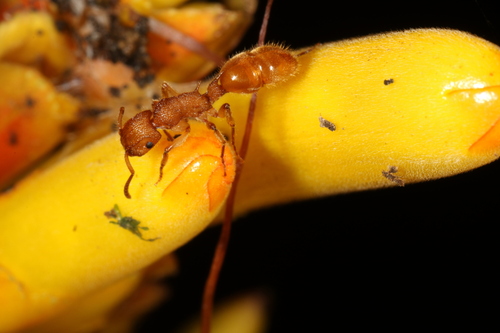
Atta sexdens
Atta sexdens
- KingdomAnimalia (Animals)
- PhylumArthropoda (Arthropods)
- ClassInsecta (Insects)
- OrderHymenoptera (Ants, Bees, Wasps, and Sawflies)
- FamilyFormicidae (Ants)
- GenusAtta
- SpeciesAtta sexdens
In 3 days ~10% in a week ~30%
26 Verified sightings at São Paulo
58 In all 4 parks From 2019 to 2026
July Best month
☀️ Diurnal When it's spotted
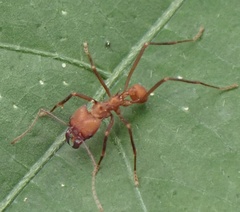
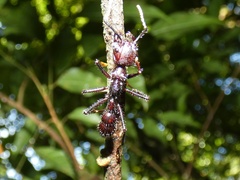
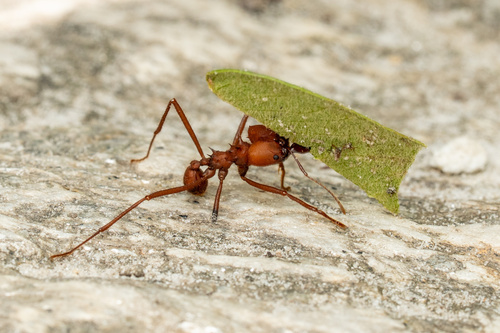
About the Atta sexdens
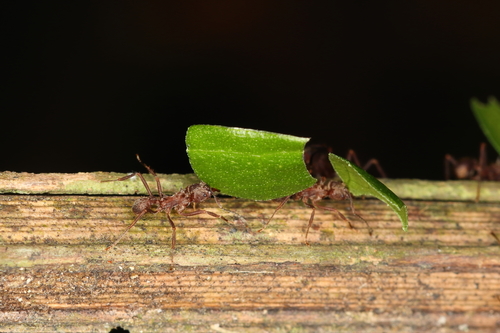
Atta sexdens is a species of leafcutter ant belonging to the tribe Attini, native to America, from the southern United States (Texas) to northern Argentina. They are absent from Chile. They cut leaves to provide a substrate for the fungus farms which are their principal source of food. Their societies are among the most complex found in social insects. A. sexdens is an ecologically important species, but also an agricultural pest. Other Atta species, such as Atta texana, Atta cephalotes and others, have similar behavior and ecology.
A. sexdens colonies are primarily subterranean with a mound of excavated material on the surface. The diameter of the colony may reach 10 m with a depth of 6 m. The colonies contain up to 2000 chambers with a combined volume of more than 20 m3. The two basic types of chambers are fungus farms and waste chambers. The farms contain the fungal culture which sustains the colony and hosts larvae and pupae. The waste chambers are located at the rim of the colony and are significantly larger. They are used to dispose used fungal culture and dead ants. A mature colony contains 5–8 million workers.
The colony often forms... Wikipedia →
Recent sightings of Atta sexdens in São Paulo
LIVEiNaturalistGlobal Distribution
Parks Where Found
| # | Park | Country | Daily sighting probability |
|---|---|---|---|
| 1 | Iguazú National Park | 🇦🇷 Argentina | |
| 2 | Iguaçu National Park | 🇧🇷 Brazil | |
| 3 | Soberanía National Park | 🇵🇦 Panama | |
| 4 | Tijuca National Park | 🇧🇷 Brazil |
Cities Where Found
| # | City | Country | Daily sighting probability |
|---|---|---|---|
| 1 | Brasilia | 🇧🇷 Brazil | |
| 2 | Belo Horizonte | 🇧🇷 Brazil | |
| 3 | Rio de Janeiro | 🇧🇷 Brazil | |
| 4 | Panama City | 🇵🇦 Panama | |
| 5 | São Paulo | 🇧🇷 Brazil |
Closest Relatives at São Paulo

Before you go
What are the chances of seeing an Atta sexdens in São Paulo?
Rare
Under 5% of wildlife watchers report an Atta sexdens sighting in São Paulo on a given day, based on 26 verified sightings from GBIF citizen-science data. It is the 273rd most-seen of the 832 insects we can rate there. Over three days the chance rises to about 10%, and over a week to about 30%, if each day is a fresh chance.
When is the best time to see an Atta sexdens in São Paulo?
June–July and September
In those months about 10% of wildlife watchers report an Atta sexdens in São Paulo on a given day, against under 5% in August and October–May, the lowest months. Those are among São Paulo's driest months, with about 60 mm of rain a month against 230 mm in January.
What time of day is best to see an Atta sexdens?
Between 3 and 6 pm
Across all the parks we cover, that three-hour window holds the most Atta sexdens sightings with a recorded time, and about 9 in 10 of them come between 6 am and 6 pm: it is a daytime animal.
Is São Paulo the best place to see an Atta sexdens?
5th of 5
Of the 5 cities where we can rate Atta sexdens sightings, São Paulo ranks 5th at under 5%. The best odds are in Brasilia (Brazil, about 10%), Belo Horizonte (Brazil, about 10%) and Rio de Janeiro (Brazil, under 5%).
Which relatives of the Atta sexdens live in São Paulo?
Same family: Formicidae
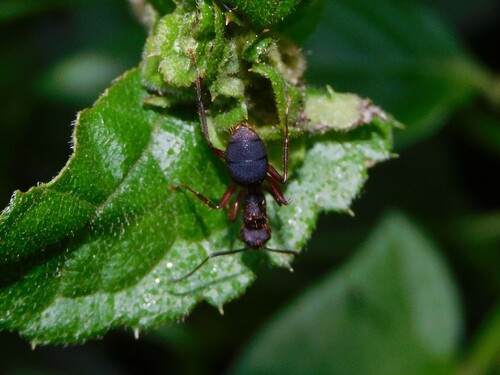
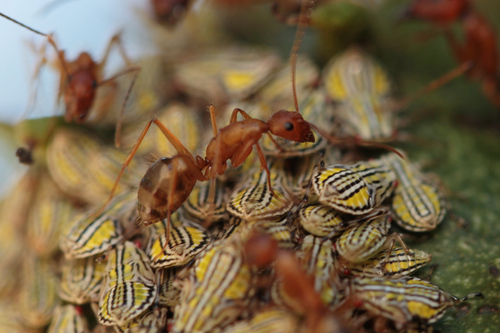
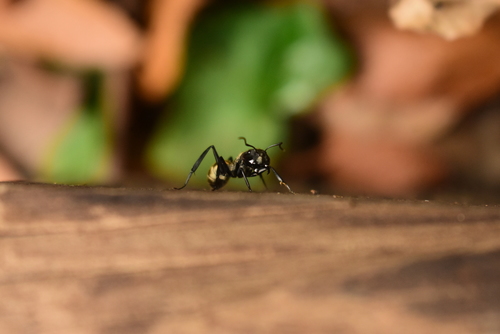
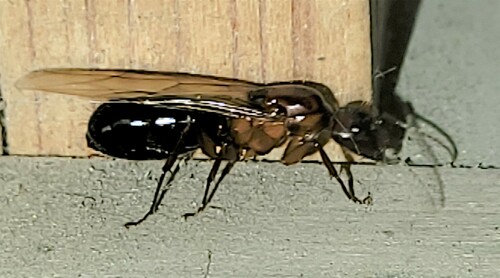
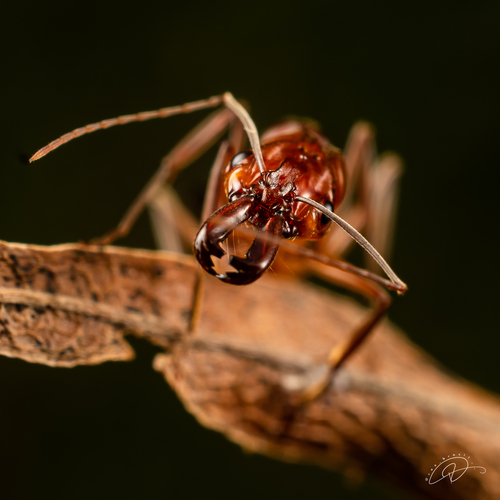
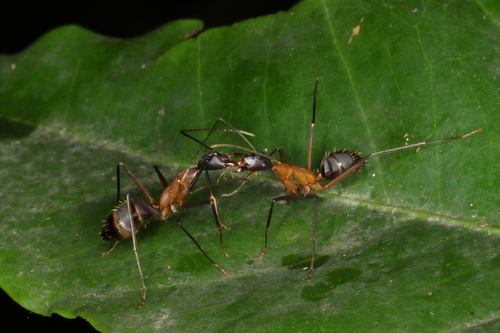
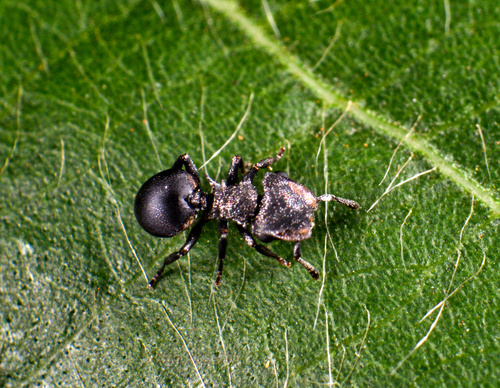
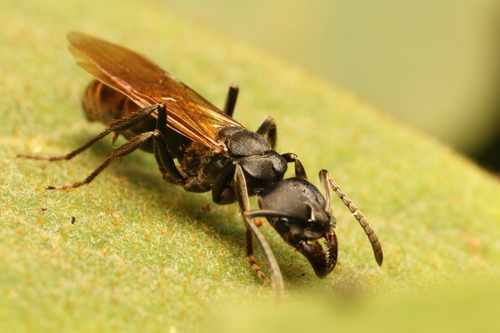
The closest relatives of the Atta sexdens that you can see in São Paulo (family Formicidae, Ants) are Camponotus rufipes (about 10%), Camponotus cingulatus (about 10%) and Shimmering Golden Sugar Ant (about 10%), with each one's daily chance of a sighting.
Where does the Atta sexdens sighting chance come from?
GBIF citizen-science records
It is estimated from how often the Atta sexdens is recorded against all the insects logged in São Paulo (26 verified sightings), calibrated against known sighting rates. Figures are rounded to the nearest 10% because citizen-science data supports honest approximations, not decimals, and months with records from fewer than five people show "—". How it works.
