


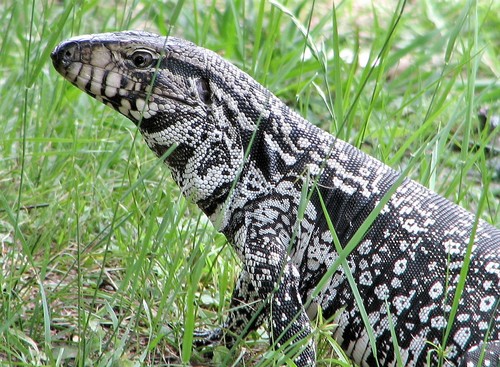


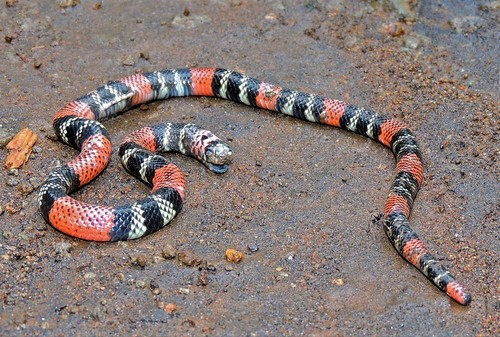


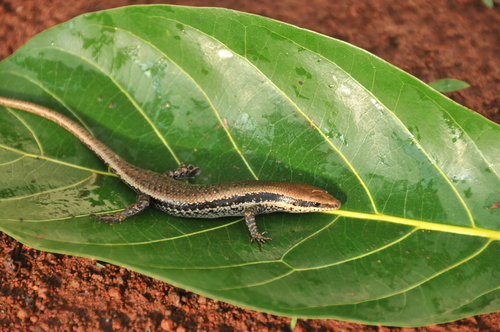


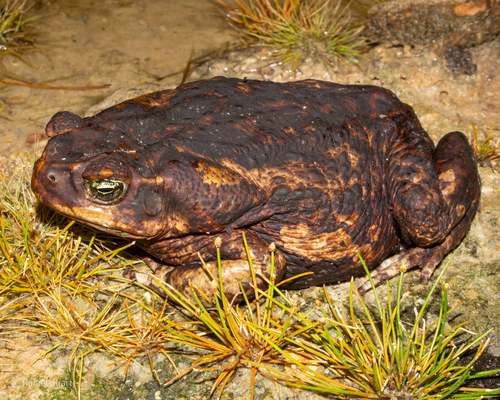


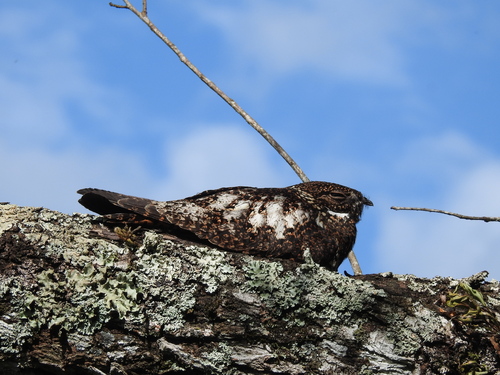


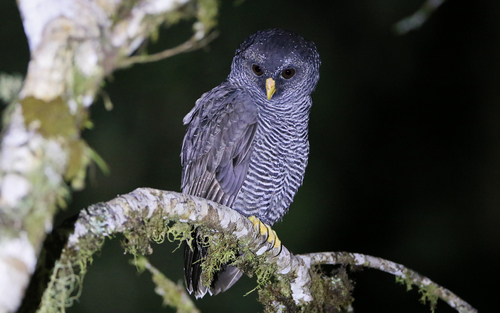


All 5 in 3 days here: ~50%
Iguazú National Park
🇦🇷 Argentina
Misiones, Argentina 1082 spp. recorded
Iguazú National Park is a tropical rainforest in Misiones, Argentina, bordering Brazil and protecting a network of waterfalls and dense, evergreen forest.
-25.673° S 54.289° W
🦜 Nature

498 Species sighted
207,611 Verified sightings From 2019 to 2026
Oct Best month
⭐ Iconic Species
📊 Most Spotted
⭐ Iconic Species
📊 Most Spotted
⭐ Iconic Species
📊 Most Spotted
⭐ Iconic Species
📊 Most Spotted
📊 Most Spotted
📊 Most Spotted
🌙 Most active after dark
+ 621 more species with insufficient data
Challenges you can complete here




All 3 in 3 days here: <5%
Recent sightings in Iguazú National Park
LIVEiNaturalistSounds of Iguazú National Park
Morning soundscape0:48
Argentina · 2005
© Meena Haribal · XC620647 · CC BY-NC-SA 4.0
Sighting Calendar
How many species you'd see in a day
75Jan
73Feb
65Mar
73Apr
87May
88Jun
68Jul
83Aug
74Sep
94Oct
83Nov
74Dec
Sighting Zones
Warmer areas are where all species together are recorded most often.
-
Hotel Selva de Laurel
Daily sight. prob.vs avg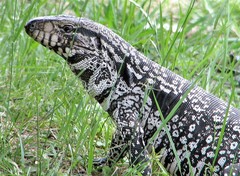 Argentine Black-and-white Tegu~80%≈
 Mono Cai~80%+10%
 Tropical House Gecko~70%+40%
 Pale-breasted Thrush~60%-10%
 Great Kiskadee~60%-20%
 Eared Dove~60%≈
 Southern House Wren~50%-20%
 Western Collared Spiny Lizard~50%-30%
 Broad-snouted Caiman~50%≈
 Blacksmith Tree Frog~50%+40%
 Picazuro Pigeon~40%≈
 Red-rumped Cacique~40%-20%
-
Área Cataratas
Daily sight. prob.vs avg South American Coati~90%+10%
- Western Collared Spiny Lizard~90%+10%
- Argentine Black-and-white Tegu~80%+10%
 Black Vulture~60%≈
- Broad-snouted Caiman~50%+10%
 Plush-crested Jay~50%-20%
- Great Kiskadee~40%-40%
 Azara's Agouti~40%-10%
 Southern Lapwing~40%-20%
 Toco Toucan~30%-20%
- Pale-breasted Thrush~30%-40%
- Eared Dove~30%-30%
-
Trilha das Bananeiras
Daily sight. prob.vs avg- Western Collared Spiny Lizard~80%+10%
- South American Coati~80%-10%
- Azara's Agouti~70%+20%
- Mono Cai~60%-10%
- Argentine Black-and-white Tegu~60%-10%
- Red-rumped Cacique~40%-20%
 Williams' South-American Side-necked Turtle~40%≈
 Brazilian Lancehead~40%+20%
 Capybara~40%+20%
- Broad-snouted Caiman~40%-10%
- Toco Toucan~40%-20%
- Pale-breasted Thrush~30%-30%
-
Observatorio de Aves Daniel Pupi Somay
Daily sight. prob.vs avg- South American Coati>90%+10%
- Western Collared Spiny Lizard~60%-20%
- Mono Cai~60%-10%
- Plush-crested Jay~50%-10%
- Southern House Wren~40%-20%
- Toco Toucan~40%-10%
- Great Kiskadee~40%-40%
 Geoffroy’s Side-necked Turtle~40%+20%
- Williams' South-American Side-necked Turtle~40%≈
 Golden-crowned Warbler~40%-20%
- Broad-snouted Caiman~40%-10%
- Black Vulture~40%-30%
-
Parque das Aves
Daily sight. prob.vs avg- Argentine Black-and-white Tegu~90%+10%
- Azara's Agouti~60%+20%
- Mono Cai~50%-10%
- Great Kiskadee~40%-30%
- South American Coati~40%-40%
- Western Collared Spiny Lizard~40%-40%
 ocellated tree frog~40%+20%
 Nine-banded Armadillo~40%+30%
- Eared Dove~40%-20%
- Pale-breasted Thrush~30%-30%
 Chicken Snake~30%+10%
- Williams' South-American Side-necked Turtle~30%-10%
🏕️ Experience
Essentials
Climate
Temp °C Rain mm
JanFebMarAprMayJunJulAugSepOctNovDec
0.0 Excellent
Wallace's Line Score
How good is this park for seeing wildlife? 🦜
Biodiversity
Very goodHow rich is the wildlife?
4.3
Species by taxon
🦅 Birds 726
🐒 Mammals 162
🦎 Reptiles 127
🐸 Amphibians 67
1082 Total Species
828 Global average across 316 parks
44 Threatened 59 Endemic
🔭
Sighting
Very goodHow likely to see animals?
3.8
🎯
Top-12 Avg Probability
68% 📊
Coverage (223 species at ≥5% of 1082 in the inventory)
21% 🔀
Taxon variety in top 12 (8 bird, 2 mammal, 2 reptile)
67% 🔭
Species per 10 outings (distinct species a visitor would meet over 10 outings — effort held equal across parks)
161 🌟
Iconic-group species (≥15%) (every species from the 19 iconic groups — monkeys, cats, toucans, macaws, sloths, crocodilians… — not just the 4 highlighted above)
12 ⭐
High-prob species (>40%)
31 🏕️
Experience
Very goodHow easy and pleasant is the visit?
4.3
Climate Pleasant High
Entrance Paid Low
Tourism High Low
Trails Easy High
World Heritage Yes Bonus
What visitors say
The jungle itself was a bit light on creatures, but we did see a few toucans and a couple of giant lizards wandering around without a care in the world.
During our drive we saw roadside warning signs that pointed out local wildlife: coatis, wild cats, things you definitely don’t expect to see on a normal city commute.
Almost as soon as we arrived at the campsite we spotted a band of South American coatis, our first time seeing these cute, charismatic mammals on this trip.
There are apparently threatened species of jaguar in the park, although thankfully we didn’t see one!
Before you go
What animals can you see in Iguazú National Park?
1,082 species
Iguazú National Park has 1,082 recorded vertebrate species. The ones wildlife watchers report most often on a given day are South American Coati (about 90%), Western Collared Spiny Lizard (about 80%), Great Kiskadee (about 80%), Argentine Black-and-white Tegu (about 70%) and Mono Cai (about 70%). Among amphibians, the most-seen is ocellated tree frog (about 20%).
When is the best time to visit Iguazú National Park for wildlife?
August to January
In those months the park's 12 most-seen species average about 70% on a given day, against about 60% in February to July.
Can you see a South American Coati in Iguazú National Park?
Yes
About 90% of wildlife watchers report a South American Coati sighting in Iguazú National Park on a given day, based on 896 verified sightings from GBIF citizen-science data from 2019 to 2026. The best time is December to August (about 90%).
Can you see a Mono Cai in Iguazú National Park?
Yes
About 70% of wildlife watchers report a Mono Cai sighting in Iguazú National Park on a given day, based on 636 verified sightings from GBIF citizen-science data from 2019 to 2026. The best time is May and August (about 80%).
Can you see an Argentine Black-and-white Tegu in Iguazú National Park?
Yes
About 70% of wildlife watchers report an Argentine Black-and-white Tegu sighting in Iguazú National Park on a given day, based on 450 verified sightings from GBIF citizen-science data from 2019 to 2026. The best time is November and December (about 90%).
Can you see a Toco Toucan in Iguazú National Park?
Yes
About 50% of wildlife watchers report a Toco Toucan sighting in Iguazú National Park on a given day, based on 3,314 verified sightings from GBIF citizen-science data from 2019 to 2026. The best time is August to October (about 60%).
Where in Iguazú National Park is wildlife easiest to see?
Around Hotel Selva de Laurel
The richest sighting zone is around Hotel Selva de Laurel, followed by Área Cataratas and Trilha das Bananeiras, ranked by how many of the park's headline animals visitors can expect to see in each. See the zones on the map.
Is Iguazú National Park good for wildlife watching?
3.9 out of 5
On the Wallace's Line Score, Iguazú National Park rates 3.9/5: 126th of 316 parks worldwide and 19th in South America. 34 of its species are reported by about 40% or more of wildlife watchers on a given day.


