Unstable Paper Wasp

Unstable Paper Wasp

Polistes instabilis

Daily sighting probability ~10% · With luck
at Cumbres de Monterrey National Park

In 3 days ~20% in a week ~40%

21 Verified sightings at Cumbres de Monterrey National Park From 2019 to 2026
193 In all 8 parks
December Best month
☀️ Diurnal When it's spotted

About the Unstable Paper Wasp

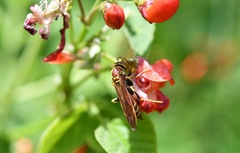
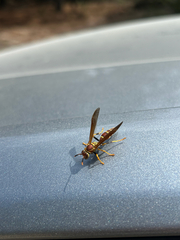
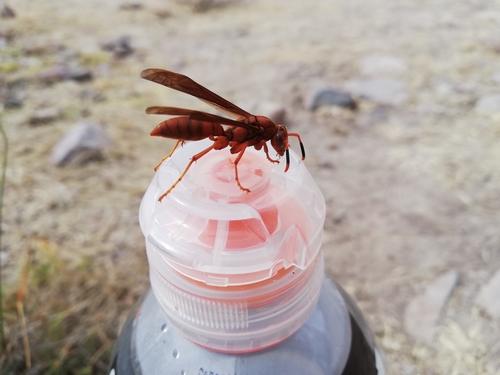
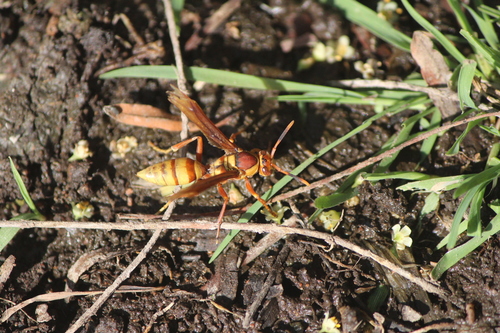
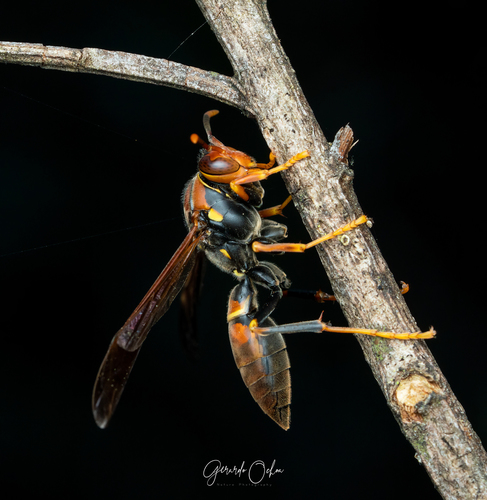
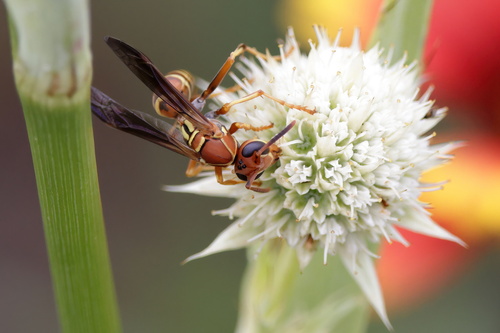
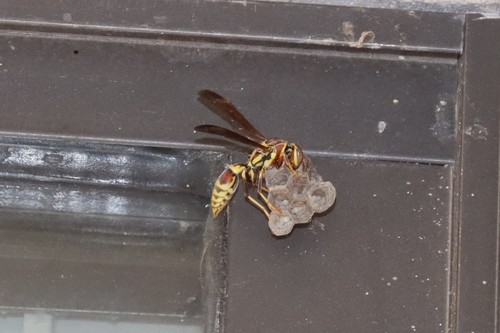
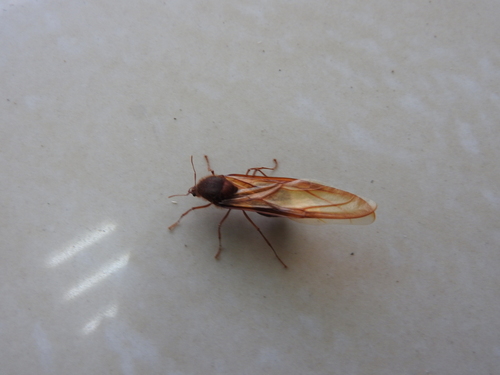
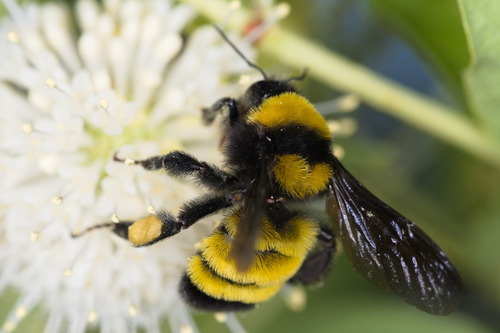
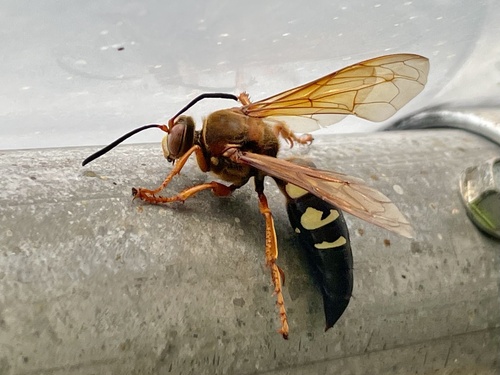
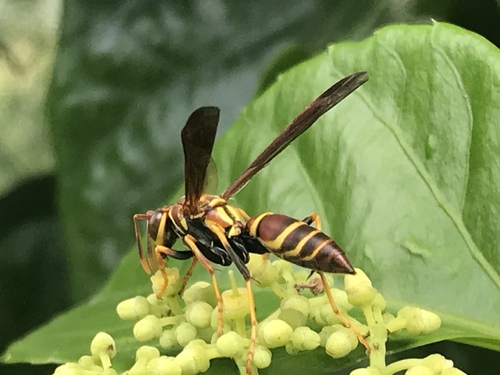
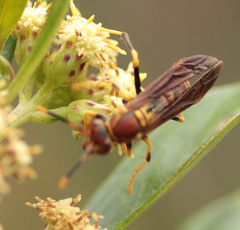
Polistes instabilis, or Unstable paper wasp is a type of paper wasp, is a neotropical, eusocial wasp (family Vespidae) that can be found in tropical and subtropical areas such as Central America and South America. It can be easily identified with its characteristic yellow, brown, and reddish markings, and it builds nests made from chewing plant fibers and making them into paper.

Colonies are usually initiated in the spring after the foundresses have emerged from the winter. Either one or a few queens found each colony by laying eggs, which develop into workers. Although there are no morphological differences between queens and workers, queens can be identified easily by their dominant interactions with workers. While queens are responsible for laying eggs, workers are responsible for gathering materials for the nest, tending to the young, and foraging for food. This species tends to feed on nectar as well as arthropods such as caterpillars.

Polistes wasps, including Polistes instabilis, are large social wasps with yellow, brown and reddish markings. Body size ranges between 0.51–0.98 in (13–25 mm) with wings that are about 0.55 in (14 mm), which... Wikipedia →
Global Distribution

Parks Where Found

# Park Country Daily sighting probability
1 Reserva de la Biosfera Mariposa Monarca 🇲🇽 Mexico
~40%
2 Biotopo Cerro Cahuí 🇬🇹 Guatemala
~20%
3 Palo Verde National Park 🇨🇷 Costa Rica
~20%
4 Ostional Wildlife Refuge 🇨🇷 Costa Rica
~20%
5 Monteverde Cloud Forest Reserve 🇨🇷 Costa Rica
~20%
6 Las Baulas Marine National Park 🇨🇷 Costa Rica
~10%
7 Calakmul Biosphere Reserve 🇲🇽 Mexico
~10%
8 Cumbres de Monterrey National Park 🇲🇽 Mexico
~10%

Cities Where Found

# City Country Daily sighting probability
1 San Pedro Sula 🇭🇳 Honduras
~30%
2 Guatemala City 🇬🇹 Guatemala
~20%
3 Tegucigalpa 🇭🇳 Honduras
~10%
4 Monterrey 🇲🇽 México
~10%

Before you go

What are the chances of seeing an Unstable Paper Wasp in Cumbres de Monterrey National Park?

With luck

About 10% of wildlife watchers report an Unstable Paper Wasp sighting in Cumbres de Monterrey National Park on a given day, based on 21 verified sightings from GBIF citizen-science data from 2019 to 2026. It is the 126th most-seen of the 431 insects we can rate there. Over three days the chance rises to about 20%, and over a week to about 40%, if each day is a fresh chance.

When is the best time to see an Unstable Paper Wasp in Cumbres de Monterrey National Park?

May–June and August–December

In those months about 10% of wildlife watchers report an Unstable Paper Wasp in Cumbres de Monterrey National Park on a given day, against under 5% in January–April and July, the lowest months.

What time of day is best to see an Unstable Paper Wasp?

Between 10 am and 1 pm

Across all the parks we cover, that three-hour window holds the most Unstable Paper Wasp sightings with a recorded time, and about 8 in 10 of them come between 6 am and 6 pm: it is a daytime animal.

Which relatives of the Unstable Paper Wasp live in Cumbres de Monterrey National Park?

Same genus: Polistes

The closest relatives of the Unstable Paper Wasp that you can see in Cumbres de Monterrey National Park (genus Polistes, Umbrella Paper Wasps) are Neotropical Red Paper Wasp (about 10%), Horse Paper Wasp (about 10%) and Veracruz Paper Wasp (about 10%), with each one's daily chance of a sighting.

Where does the Unstable Paper Wasp sighting chance come from?

GBIF citizen-science records

It is estimated from how often the Unstable Paper Wasp is recorded against all the insects logged in Cumbres de Monterrey National Park (21 verified sightings from 2019 to 2026), calibrated against known sighting rates. Figures are rounded to the nearest 10% because citizen-science data supports honest approximations, not decimals, and months with records from fewer than five people show "—". How it works.

← Back to Cumbres de Monterrey National Park