


Completed


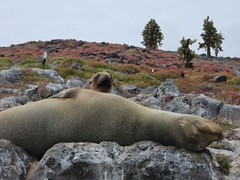


Galapagos Sealion
Zalophus wollebaeki
Silhouette: Margot Michaud · PhyloPic
- KingdomAnimalia (Animals)
- PhylumChordata (Chordates)
- ClassMammalia (Mammals)
- OrderCarnivora (Carnivorans)
- FamilyOtariidae (Eared Seals)
- GenusZalophus (California, Galápagos, and Japanese Sea Lions)
- SpeciesZalophus wollebaeki (Galapagos Sealion)
In 3 days >90%
5,078 Verified sightings at Galápagos Islands From 2019 to 2026
5,078 In 1 park
August Best month
☀️ Diurnal When it's spotted

Completed
About the Galapagos Sealion
The Galápagos sea lion (Zalophus wollebaeki) is a species of sea lion that lives and breeds on the Galápagos Islands and, in smaller numbers, on Isla de la Plata (Ecuador). They are the smallest sea lion species. This species was first described by E. Sivertsen in 1953. It has been considered a subspecies of Zalophus californianus (called Z. c. wollebaeki) by many authors. But genetic data supports Z. wollebaeki as a separate species. The species belongs to the family Otariidae and genus Zalophus.
Slightly smaller than their Californian congener, Galápagos sea lions range from 1.5 to 2.5 m (4.9 to 8.2 ft) in length and weigh between 50 and 400 kg (110 and 880 lb), with the males averaging larger than females. Sexual dimorphism plays a small role in the physical characteristics and size of Galápagos sea lions, as males also tend to have a thicker, more robust neck, chest, and shoulders in comparison to their slender abdomen, whereas females have a longer, more slender neck and thick torso. The male's sagittal crest enlarges when he reaches sexual maturity, forming a small, characteristic bump-like projection on his forehead. Adult females... Wikipedia →
Sounds
Recording0:19
Ecuador · 2019
© sea-kangaroo · iNaturalist · CC BY-NC 4.0
Recent sightings of Galapagos Sealion in Galápagos Islands
LIVEiNaturalistGlobal Distribution
Parks Where Found
| # | Park | Country | Daily sighting probability |
|---|---|---|---|
| 1 | Galápagos Islands | 🇪🇨 Ecuador |
More parks will be added in future updates.
Zoos & Centres Where Found
| # | Zoo / Centre | Country | |
|---|---|---|---|
| 1 | Houston Zoo | 🇺🇸 United States | |
| 2 | Minsk Zoo | 🇧🇾 Belarus | |
| 3 | Mediterraneo Malta Marine Park | 🇲🇹 Malta | |
| 4 | Parque Marino de La Magdalena | 🇪🇸 Spain | |
| 5 | Дэльфінарый | 🇧🇾 Belarus |
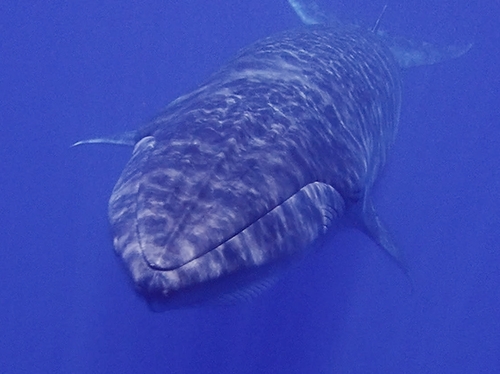
Closest Relatives at Galápagos Islands




Before you go
What are the chances of seeing a Galapagos Sealion in Galápagos Islands?
Very likely
About 80% of wildlife watchers report a Galapagos Sealion sighting in Galápagos Islands on a given day, based on 5,078 verified sightings from GBIF citizen-science data from 2019 to 2026. It is the most-seen of the 12 mammals we can rate there. Over three days the chance rises to over 90%, if each day is a fresh chance.
When is the best time to see a Galapagos Sealion in Galápagos Islands?
Any time of year
In every month with enough records, about 80% of wildlife watchers report a Galapagos Sealion in Galápagos Islands on a given day, so our monthly data shows no clear season.
What time of day is best to see a Galapagos Sealion?
Between 7 and 10 am
Across all the parks we cover, that three-hour window holds the most Galapagos Sealion sightings with a recorded time, and about 9 in 10 of them come between 6 am and 6 pm: it is a daytime animal.
Where else can you see a Galapagos Sealion?
Only Galápagos Islands, in our data
Galápagos Islands is the only park on Wallace's Line with enough records to rate Galapagos Sealion sightings: about 80% of wildlife watchers there report one on a given day.
Where does the Galapagos Sealion sighting chance come from?
GBIF citizen-science records
It is estimated from how often the Galapagos Sealion is recorded against all the mammals logged in Galápagos Islands (5,078 verified sightings from 2019 to 2026), calibrated against known sighting rates. Figures are rounded to the nearest 10% because citizen-science data supports honest approximations, not decimals, and months with records from fewer than five people show "—". How it works.
