Roundtail Horned Lizard

Roundtail Horned Lizard

Phrynosoma modestum

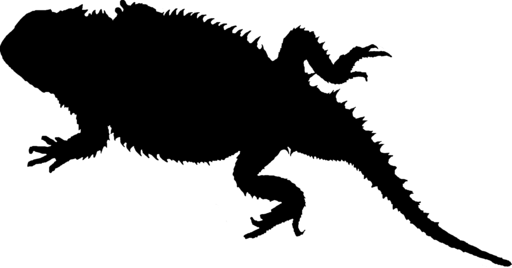
Silhouette: Jose Carlos Arenas-Monroy · PhyloPic

LCLeast ConcernNTVUENCR
Daily sighting probability ~30% · Possible
at Guadalupe Mountains National Park

In 3 days ~60% in a week ~90%

17 Verified sightings at Guadalupe Mountains National Park From 2019 to 2026
49 In all 2 parks
August Best month
☀️ Diurnal When it's spotted

About the Roundtail Horned Lizard

The roundtail horned lizard (Phrynosoma modestum) is a species of lizard in the family Phrynosomatidae. It is one of the smaller species of the horned lizards (genus Phrynosoma). The specific epithet, modestum, is Latin, meaning "modest" or "calm". The species is native to the United States, in western Texas, New Mexico, eastern Arizona, and southeastern Colorado; and eight states in northcentral Mexico, where it is referred to as tapayaxtin.

The roundtail horned lizard prefers rocky and sandy, semiarid habitat with sparse vegetation, near harvester ant or especially honeypot ant colonies, which are its primary diet. The coloration of the roundtail horned lizard usually reflects the color of the soil in its native habitat. Most specimens are uniformly gray in color, but can also be light brown, or even a pale yellow. Often, darker-colored regions occur around the neck and groin, and sometimes striping on the tail.

Phrynosoma modestum is a short, flat, round-bodied lizard with short limbs, and a small head, which has a distinctive crest of nearly equal-length horns. Unlike other horned lizards, it lacks a fringe of lateral scales and does not seek to... Wikipedia →

Global Distribution

Parks Where Found

# Park Country Daily sighting probability
1 Guadalupe Mountains National Park 🇺🇸 United States
~30%
2 Big Bend National Park 🇺🇸 United States
~10%

Before you go

What are the chances of seeing a Roundtail Horned Lizard in Guadalupe Mountains National Park?

Possible

About 30% of wildlife watchers report a Roundtail Horned Lizard sighting in Guadalupe Mountains National Park on a given day, based on 17 verified sightings from GBIF citizen-science data from 2019 to 2026. It is the 9th most-seen of the 21 reptiles we can rate there. Over three days the chance rises to about 60%, and over a week to about 90%, if each day is a fresh chance.

When is the best time to see a Roundtail Horned Lizard in Guadalupe Mountains National Park?

August

In that month about 50% of wildlife watchers report a Roundtail Horned Lizard in Guadalupe Mountains National Park on a given day, against under 5% in September and November–April, the lowest months. That is one of Guadalupe Mountains National Park's wettest months, with about 50 mm of rain against 10 mm in April.

What time of day is best to see a Roundtail Horned Lizard?

Between 8 and 11 am

Across all the parks we cover, that three-hour window holds the most Roundtail Horned Lizard sightings with a recorded time, and about 8 in 10 of them come between 6 am and 6 pm: it is a daytime animal.

Is Guadalupe Mountains National Park the best place to see a Roundtail Horned Lizard?

Yes

Of the 2 parks where we can rate Roundtail Horned Lizard sightings, Guadalupe Mountains National Park has the highest daily chance: about 30%. Next come Big Bend National Park (United States, about 10%).

Which relatives of the Roundtail Horned Lizard live in Guadalupe Mountains National Park?

Same genus: Phrynosoma

The closest relatives of the Roundtail Horned Lizard that you can see in Guadalupe Mountains National Park (genus Phrynosoma, Horned Lizards) are Texas Horned Lizard (about 20%) and Greater Short-horned Lizard (about 20%), with each one's daily chance of a sighting.

Where does the Roundtail Horned Lizard sighting chance come from?

GBIF citizen-science records

It is estimated from how often the Roundtail Horned Lizard is recorded against all the reptiles logged in Guadalupe Mountains National Park (17 verified sightings from 2019 to 2026), calibrated against known sighting rates. Figures are rounded to the nearest 10% because citizen-science data supports honest approximations, not decimals, and months with records from fewer than five people show "—". How it works.

← Back to Guadalupe Mountains National Park