White-rumped Monjita

White-rumped Monjita

Xolmis velatus

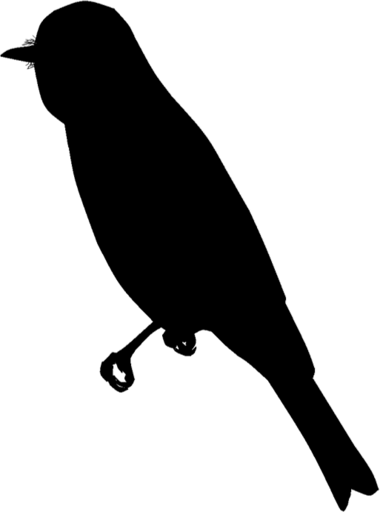
Silhouette: Edwin Price · PhyloPic

LCLeast ConcernNTVUENCR
Daily sighting probability <5% · Rare
at Itatiaia National Park

In 3 days ~10%

35 Verified sightings at Itatiaia National Park From 2019 to 2026
654 In all 5 parks
October Best month
☀️ Diurnal When it's spotted

About the White-rumped Monjita

The white-rumped monjita (Xolmis velatus) is a species of bird in the family Tyrannidae, the tyrant flycatchers. It is found in Bolivia, Brazil, Paraguay, and as a vagrant to Argentina. The white-rumped monjita was formally described in 1823 as Muscicapa velata, a member of the Old World flycatcher family. It was eventually transferred to genus Xolmis that had been erected in 1826. Because Xolmis is masculine, it was necessary to change the ending of the specific epithet to velatus.

According to the IOC, the South American Classification Committee of the American Ornithological Society (SACC), and the Clements taxonomy, the white-rumped monjita shares genus Xolmis with only the white monjita (X. irupero). However, as of December 2024 BirdLife International's Handbook of the Birds of the World includes six other species in addition to the white-rumped and white monjitas. All agree that the white-rumped monjita is monotypic.

The white-rumped monjita is 19 to 20 cm (7.5 to 7.9 in) long. The sexes have the same plumage. Adults have a mostly white head with a pearly gray nape. Their upperparts are mostly brownish gray with a white rump. The... Wikipedia →

Sounds

Call0:28

Brazil · 2023

© Robson Silva e Silva · XC1018634 · CC BY-NC-SA 4.0

Dawn song1:17

Brazil · 2004

© Dante Buzzetti · XC654325 · CC BY-NC-SA 4.0

Song0:27

Bolivia · 2009

© Dan Lane · XC149539 · CC BY-NC-SA 3.0

Global Distribution

Parks Where Found

# Park Country Daily sighting probability
1 Emas National Park 🇧🇷 Brazil
~70%
2 Serra da Canastra National Park 🇧🇷 Brazil
~50%
3 Itatiaia National Park 🇧🇷 Brazil
<5%
4 Parque Estadual Encontro das Águas 🇧🇷 Brazil
<5%
5 Iguaçu National Park 🇧🇷 Brazil
<5%

Cities Where Found

# City Country Daily sighting probability
1 Campo Grande 🇧🇷 Brazil
<5%
2 São Paulo 🇧🇷 Brazil
<5%

Before you go

What are the chances of seeing a White-rumped Monjita in Itatiaia National Park?

Rare

Under 5% of wildlife watchers report a White-rumped Monjita sighting in Itatiaia National Park on a given day, based on 35 verified sightings from GBIF citizen-science data from 2019 to 2026. It is the 243rd most-seen of the 352 birds we can rate there. Over three days the chance rises to about 10%, if each day is a fresh chance.

When is the best time to see a White-rumped Monjita in Itatiaia National Park?

October

In that month about 10% of wildlife watchers report a White-rumped Monjita in Itatiaia National Park on a given day, against under 5% in November to September, the lowest months.

What time of day is best to see a White-rumped Monjita?

Between 8 and 11 am

Across all the parks we cover, that three-hour window holds the most White-rumped Monjita sightings with a recorded time, and about 9 in 10 of them come between 6 am and 6 pm: it is a daytime animal.

Is Itatiaia National Park the best place to see a White-rumped Monjita?

3rd of 5

Of the 5 parks where we can rate White-rumped Monjita sightings, Itatiaia National Park ranks 3rd at under 5%. The best odds are in Emas National Park (Brazil, about 70%) and Serra da Canastra National Park (Brazil, about 50%).

Which relatives of the White-rumped Monjita live in Itatiaia National Park?

Same family: Tyrannidae

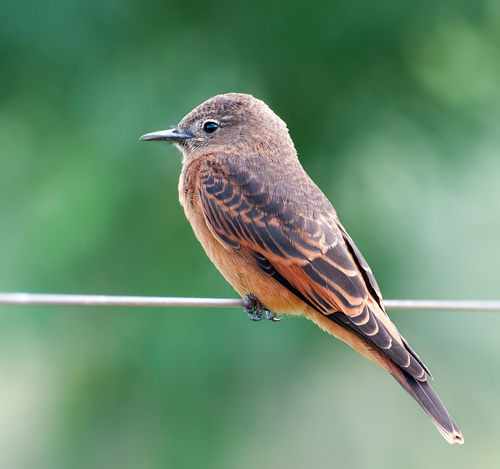
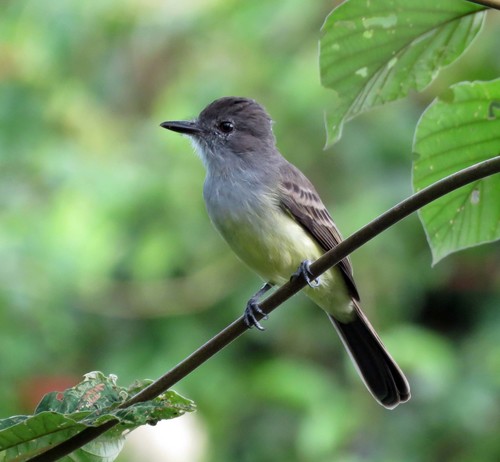
The closest relatives of the White-rumped Monjita that you can see in Itatiaia National Park (family Tyrannidae, Tyrant Flycatchers) are Cliff Flycatcher (about 60%), Great Kiskadee (about 50%) and Planalto Tyrannulet (about 40%), with each one's daily chance of a sighting.

Where does the White-rumped Monjita sighting chance come from?

GBIF citizen-science records

It is estimated from how often the White-rumped Monjita is recorded against all the birds logged in Itatiaia National Park (35 verified sightings from 2019 to 2026), calibrated against known sighting rates. Figures are rounded to the nearest 10% because citizen-science data supports honest approximations, not decimals, and months with records from fewer than five people show "—". How it works.

← Back to Itatiaia National Park