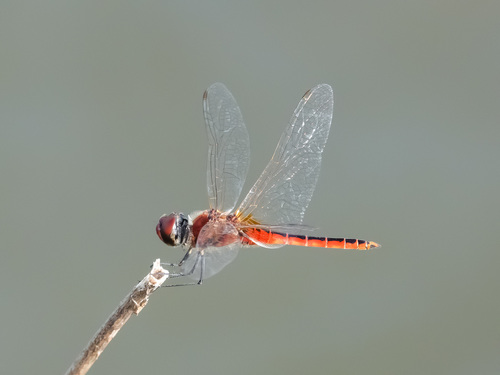
Australian Tiger

Australian Tiger

Ictinogomphus australis

Daily sighting probability ~10% · With luck
at Kakadu National Park

In 3 days ~40% in a week ~70%

9 Verified sightings at Kakadu National Park From 2019 to 2026
23 In all 3 parks
November Best month
☀️ Diurnal When it's spotted

About the Australian Tiger

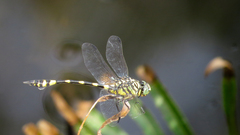
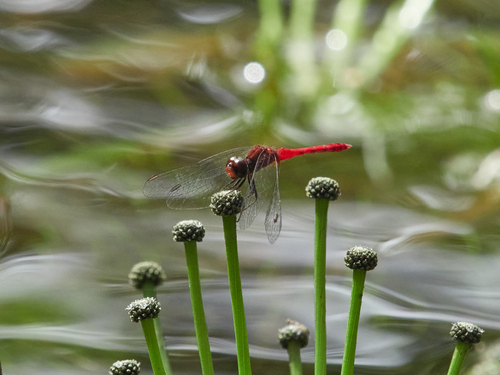
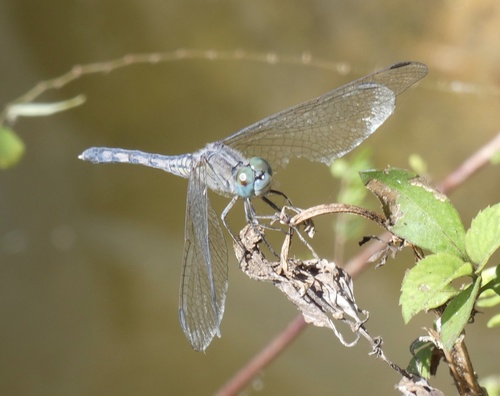
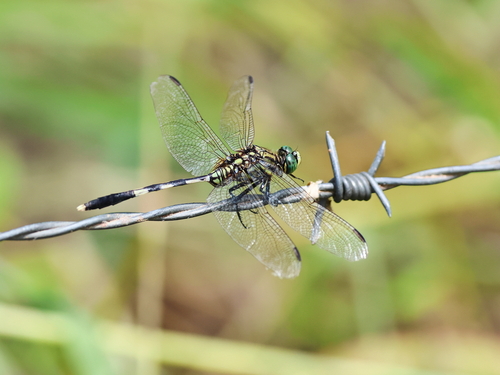
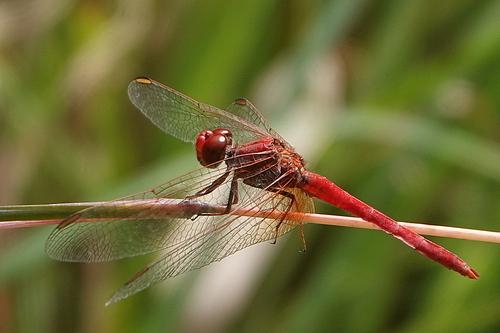
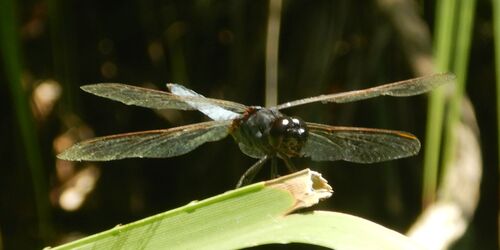
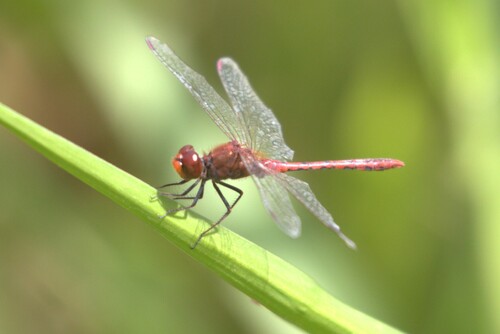
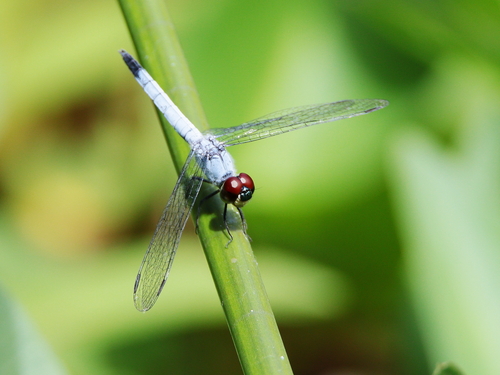
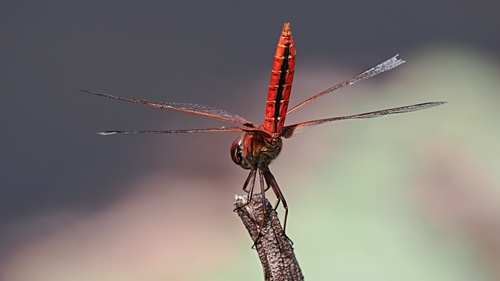
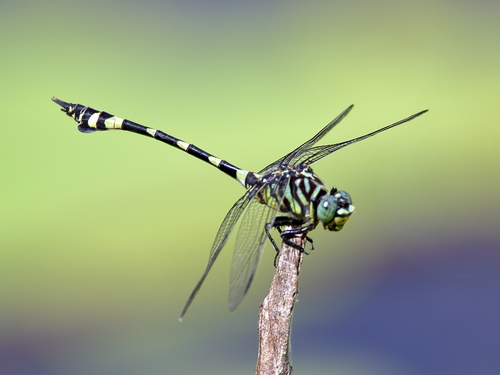
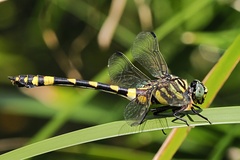
Ictinogomphus australis, known as the Australian tiger, is a species of dragonfly in the family Gomphidae. It is found near rivers, lagoons, lakes and ponds. They are large dragonflies (wingspan 100mm, length 70mm) with eyes widely spaced on top of the head. They have clear wings and are yellow and black in colour. Males are identified from females by two curved flaps below segment eight of the abdomen. They are found in an arc ranging from about Broome, Western Australia along the north of the continent to Point Hicks on the south-east corner. The taxon has been assessed for the IUCN Red List as being of least concern.

The genus name Ictinogomphus is derived from the Greek ἴκτινος (iktinos, "kite"), combined with Gomphus, a genus name derived from the Greek γόμφος (gomphos, "peg" or "nail"). The name likely refers to the large size of the genus, emphasised by the distinctive large flaps near the end of the abdomen in both males and females.

The species name australis is Latin for "southern", in this case referring directly to Australia, where the species was first recorded. Wikipedia →
Global Distribution

Parks Where Found

# Park Country Daily sighting probability
1 Kakadu National Park 🇦🇺 Australia
~10%
2 Lamington National Park 🇦🇺 Australia
~10%
3 Springbrook National Park 🇦🇺 Australia
~10%

Cities Where Found

# City Country Daily sighting probability
1 Brisbane 🇦🇺 Australia
~10%
2 Sydney 🇦🇺 Australia
<5%

Before you go

What are the chances of seeing an Australian Tiger in Kakadu National Park?

With luck

About 10% of wildlife watchers report an Australian Tiger sighting in Kakadu National Park on a given day, based on 9 verified sightings from GBIF citizen-science data from 2019 to 2026. It is the 43rd most-seen of the 76 insects we can rate there. Over three days the chance rises to about 40%, and over a week to about 70%, if each day is a fresh chance.

When is the best time to see an Australian Tiger in Kakadu National Park?

November

In that month about 30% of wildlife watchers report an Australian Tiger in Kakadu National Park on a given day, against under 5% in July, September and December–March, the lowest months.

What time of day is best to see an Australian Tiger?

Between 11 am and 2 pm

Across all the parks we cover, that three-hour window holds the most Australian Tiger sightings with a recorded time, and about 9 in 10 of them come between 6 am and 6 pm: it is a daytime animal.

Is Kakadu National Park the best place to see an Australian Tiger?

Yes

Of the 3 parks where we can rate Australian Tiger sightings, Kakadu National Park has the highest daily chance: about 10%. Next come Lamington National Park (Australia, about 10%) and Springbrook National Park (Australia, about 10%).

Which relatives of the Australian Tiger live in Kakadu National Park?

Same order: Odonata

The closest relatives of the Australian Tiger that you can see in Kakadu National Park (order Odonata, Dragonflies and Damselflies) are Painted Grasshawk (about 40%), Graphic Flutterer (about 40%) and Common Glider (about 30%), with each one's daily chance of a sighting.

Where does the Australian Tiger sighting chance come from?

GBIF citizen-science records

It is estimated from how often the Australian Tiger is recorded against all the insects logged in Kakadu National Park (9 verified sightings from 2019 to 2026), calibrated against known sighting rates. Figures are rounded to the nearest 10% because citizen-science data supports honest approximations, not decimals, and months with records from fewer than five people show "—". How it works.

← Back to Kakadu National Park