












blog.biosphere-expeditions.org Web excerpt · 2026
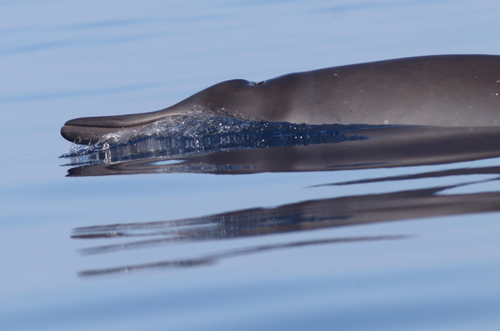
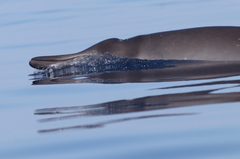
“Then we saw the first sperm whale of the expedition, a large male.”
🇵🇹 Portugal
Pico Nature Park is a Portuguese nature park located on the island of Pico, on the Azores. Created in 2008, it is the largest nature park of the archipelago, occupying 35% of the island plus 74.38 km2 of marine domain.
38.485° N 28.387° W

Warmer areas are where all species together are recorded most often.
How rich is the wildlife?
How likely to see animals?
How easy and pleasant is the visit?
Your review
“Then we saw the first sperm whale of the expedition, a large male.”
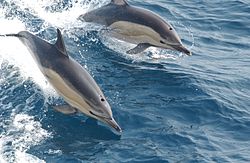
“I saw playful dolphins like common dolphins or bottlenose dolphins.”
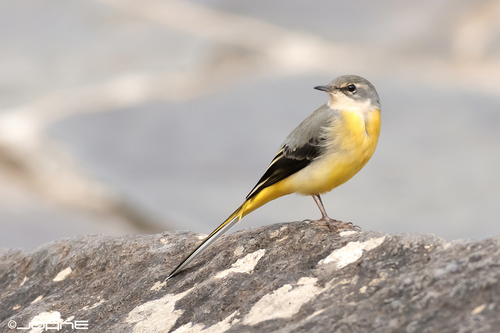
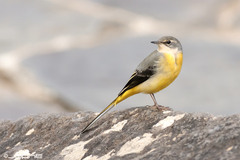
“Iconic species like European Robin, Eurasian Blackbird, and Gray Wagtail, which I had last seen during my February 2018 trip to Spain, proved to be common residents of the parks and gardens in the Azores.”
“We saw plenty of these but our target here was to see the Sooty Tern that has been present here for a while.”
290 species
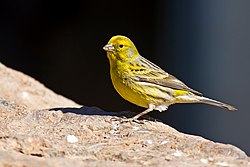
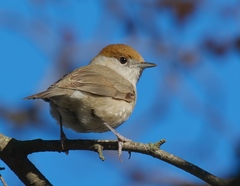
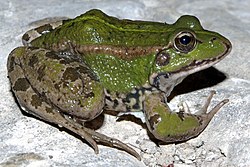
Pico Island Natural Park (Azores) has 290 recorded vertebrate species. The ones wildlife watchers report most often on a given day are Eurasian Blackbird (over 90%), Island Canary (about 90%), Yellow-legged Gull (about 90%), Azores Chaffinch (about 90%) and Blackcap (about 80%). Among mammals, the most-seen is Common Dolphin (about 70%); among reptiles, Madeira Lizard (about 80%); among amphibians, Iberian Green Frog (about 40%).
March
In that month the park's 12 most-seen species average about 90% on a given day, against about 70% in August.
Yes
About 70% of wildlife watchers report a Common Dolphin sighting in Pico Island Natural Park (Azores) on a given day, based on 64 verified sightings from GBIF citizen-science data from 2019 to 2026. The best time is May–June and September (about 80%).
Yes
About 60% of wildlife watchers report a Bottlenose Dolphin sighting in Pico Island Natural Park (Azores) on a given day, based on 47 verified sightings from GBIF citizen-science data from 2019 to 2026. The best time is April and June (about 70%).
Yes
About 50% of wildlife watchers report a Sperm Whale sighting in Pico Island Natural Park (Azores) on a given day, based on 323 verified sightings from GBIF citizen-science data from 2019 to 2026. The best time is November (about 70%).
Yes
Over 90% of wildlife watchers report a Eurasian Blackbird sighting in Pico Island Natural Park (Azores) on a given day, based on 1,915 verified sightings from GBIF citizen-science data from 2019 to 2026. The best time is February–August and November (over 90%).
Around Posto de Turismo
The richest sighting zone is around Posto de Turismo, followed by Companhia de Cima and Tourism Office, ranked by how many of the park's headline animals visitors can expect to see in each. See the zones on the map.
3.4 out of 5
On the Wallace's Line Score, Pico Island Natural Park (Azores) rates 3.4/5: 248th of 340 parks worldwide and 8th in Europe. 24 of its species are reported by about 40% or more of wildlife watchers on a given day.


