Asian Tiger Mosquito

Asian Tiger Mosquito

Aedes albopictus

Daily sighting probability ~10% · With luck
at Pyrénées National Park

In 3 days ~10% in a week ~30%

14 Verified sightings at Pyrénées National Park From 2019 to 2026
24 In all 2 parks
December Best month
🌅 Crepuscular When it's spotted

About the Asian Tiger Mosquito

Aedes albopictus (synonym Stegomyia albopicta), from the mosquito (Culicidae) family, also known as the (Asian) tiger mosquito or forest mosquito, is a species of mosquito found in the tropical and subtropical areas of the world.

In the past few centuries, its distribution has expanded along with the expansion of international trade. This mosquito has become a significant pest in many communities because it closely associates with humans and typically flies and feeds in the daytime in addition to at dusk and dawn.

It is often referred to as a “tiger mosquito” because it has white bands on its legs and body, as does a tiger. It is an epidemiologically important disease vector for the transmission of many viral pathogens, including the yellow fever virus, dengue fever, and Chikungunya fever, as well as several filarial nematodes such as Dirofilaria immitis. Aedes albopictus is capable of hosting the Zika virus and is considered a potential vector for Zika transmission among humans.

In 1894, a British-Australian entomologist, Frederick A. Askew Skuse, was the first to scientifically describe the Asian tiger mosquito, which he named Culex albopictus... Wikipedia →


Global Distribution

Parks Where Found

# Park Country Daily sighting probability
1 Cévennes National Park 🇫🇷 France
~10%
2 Pyrénées National Park 🇫🇷 France
~10%

Cities Where Found

# City Country Daily sighting probability
1 Zhuhai [Macau] 🇨🇳 China
~20%
2 Johor Bahru 🇲🇾 Malaysia
~10%
3 Lyon 🇫🇷 France
~10%
4 Tel Aviv 🇮🇱 Israel
~10%
5 Izmir 🇹🇷 Turkey
~10%
6 Athens 🇬🇷 Greece
~10%
7 Jerusalem 🇮🇱 Israel
~10%
8 Yogyakarta 🇮🇩 Indonesia
~10%
9 Barcelona 🇪🇸 Spain
~10%
10 Turin 🇮🇹 Italy
~10%

Before you go

What are the chances of seeing an Asian Tiger Mosquito in Pyrénées National Park?

With luck

About 10% of wildlife watchers report an Asian Tiger Mosquito sighting in Pyrénées National Park on a given day, based on 14 verified sightings from GBIF citizen-science data from 2019 to 2026. It is the 576th most-seen of the 1277 insects we can rate there. Over three days the chance rises to about 10%, and over a week to about 30%, if each day is a fresh chance.

When is the best time to see an Asian Tiger Mosquito in Pyrénées National Park?

June, August, October and December

In those months about 10% of wildlife watchers report an Asian Tiger Mosquito in Pyrénées National Park on a given day, against under 5% in January–May, July, September and November, the lowest months.

What time of day is best to see an Asian Tiger Mosquito?

Between 5 and 8 pm

Across all the parks we cover, that three-hour window holds the most Asian Tiger Mosquito sightings with a recorded time, and about 6 in 10 of them come between 6 am and 6 pm: it is most active around dawn and dusk.

Is Pyrénées National Park the best place to see an Asian Tiger Mosquito?

Among the best

Of the 2 parks where we can rate Asian Tiger Mosquito sightings, Pyrénées National Park ranks 2nd at about 10%, level with the leaders once rounded. The best odds are in Cévennes National Park (France, about 10%).

Which relatives of the Asian Tiger Mosquito live in Pyrénées National Park?

Same order: Diptera

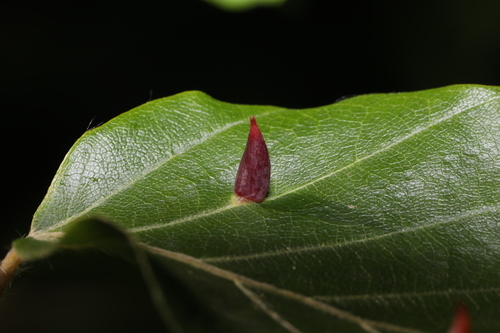
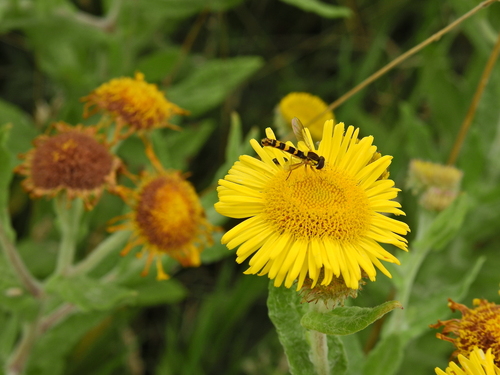
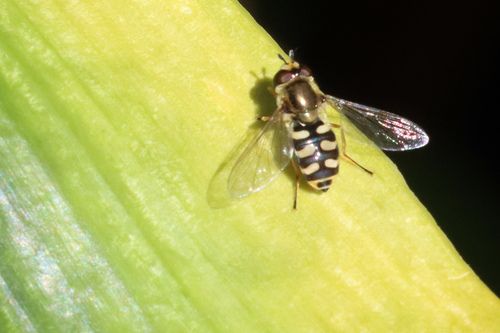
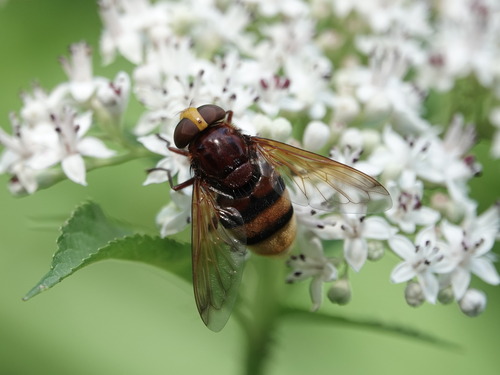
The closest relatives of the Asian Tiger Mosquito that you can see in Pyrénées National Park (order Diptera, Flies) are Common Drone Fly (about 10%), Tapered Drone Fly (about 10%) and Beech Gall Midge (about 10%), with each one's daily chance of a sighting.

Where does the Asian Tiger Mosquito sighting chance come from?

GBIF citizen-science records

It is estimated from how often the Asian Tiger Mosquito is recorded against all the insects logged in Pyrénées National Park (14 verified sightings from 2019 to 2026), calibrated against known sighting rates. Figures are rounded to the nearest 10% because citizen-science data supports honest approximations, not decimals, and months with records from fewer than five people show "—". How it works.

← Back to Pyrénées National Park