


Pine Ladybird

Pine Ladybird

Brumus quadripustulatus

Daily sighting probability <5% · Rare
at Pyrénées National Park

In 3 days ~10% in a week ~30%

9 Verified sightings at Pyrénées National Park From 2019 to 2026
41 In all 4 parks
October Best month
☀️ Diurnal When it's spotted

About the Pine Ladybird

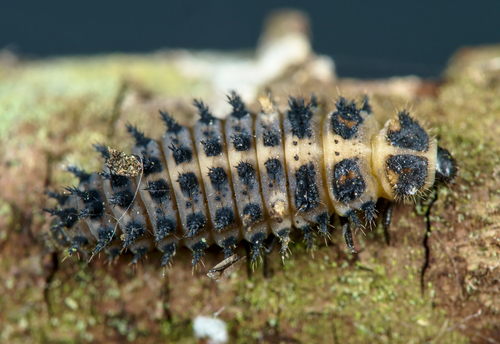
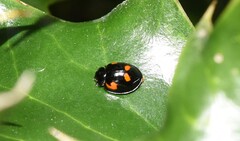
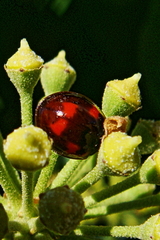
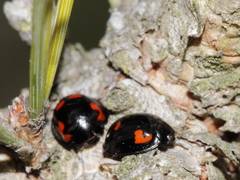
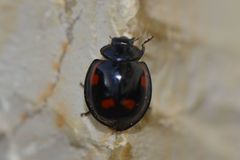
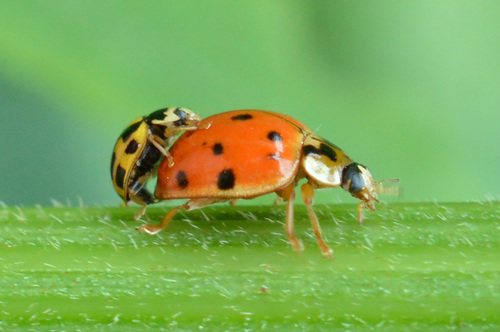
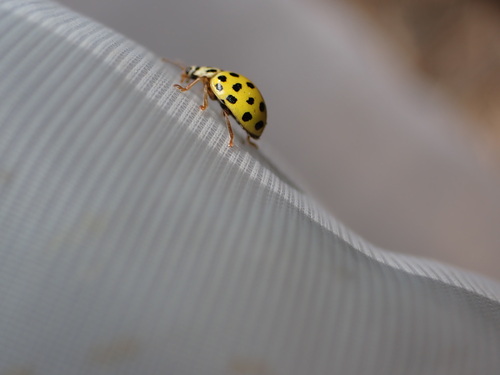
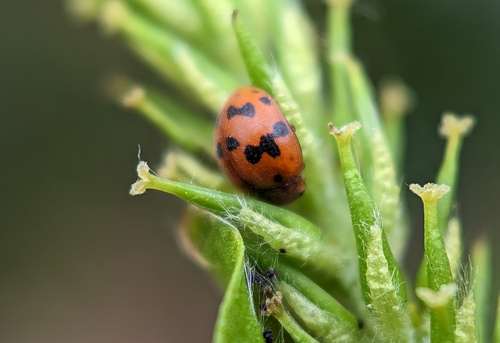
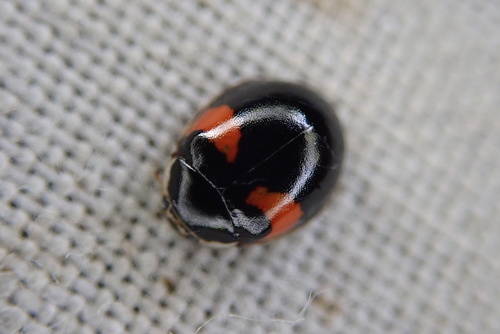
Exochomus quadripustulatus, commonly known as the pine ladybird or pine lady beetle, is a species of beetle of the family Coccinellidae. Exochomus quadripustulatus can reach a length of about 4-6 millimeters. It is almost circular, convex and shining, with a flange around the base. The color is quite variable and may change with age. Usually the elytra are black with two larger red comma-shaped spots and two smaller round red spots. The color of these spots can also be orange or yellow, but completely reddish brown specimens may occur.

This species is present in most of Europe, in the eastern Palearctic, and in the Near East. It was first recorded in Ireland (County Armagh) in 2014. It was introduced to San Francisco between 1915 and 1930 to control the hemlock woolly adelgid, and has since spread across the west coast of North America from California to British Columbia. It is also present in Massachusetts.

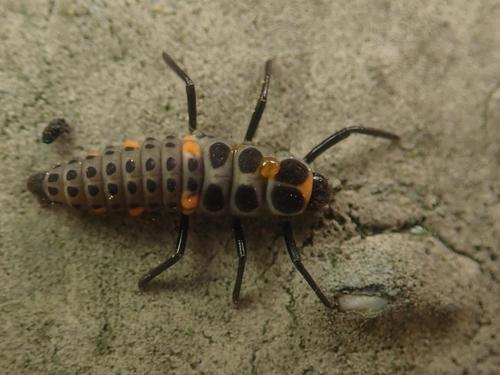
This fairly common ladybug can be found from April to October especially on conifers and in areas with deciduous trees. The pine ladybird in both adult and larval stages preys on aphids and scale... Wikipedia →

Global Distribution

Parks Where Found

# Park Country Daily sighting probability
1 Fertő-Hanság National Park 🇭🇺 Hungary
~10%
2 Bavarian Forest National Park 🇩🇪 Germany
~10%
3 Cévennes National Park 🇫🇷 France
<5%
4 Pyrénées National Park 🇫🇷 France
<5%

Cities Where Found

# City Country Daily sighting probability
1 Hamburg 🇩🇪 Germany
~10%
2 Vienna 🇦🇹 Austria
~10%
3 Budapest 🇭🇺 Hungary
~10%
4 London 🇬🇧 United Kingdom
~10%
5 Sofia 🇧🇬 Bulgaria
~10%
6 Birmingham 🇬🇧 United Kingdom
~10%
7 Bucharest 🇷🇴 Romania
~10%
8 Essen 🇩🇪 Germany
~10%
9 Liverpool 🇬🇧 United Kingdom
~10%
10 Lyon 🇫🇷 France
~10%

Before you go

What are the chances of seeing a Pine Ladybird in Pyrénées National Park?

Rare

Under 5% of wildlife watchers report a Pine Ladybird sighting in Pyrénées National Park on a given day, based on 9 verified sightings from GBIF citizen-science data from 2019 to 2026. It is the 806th most-seen of the 1277 insects we can rate there. Over three days the chance rises to about 10%, and over a week to about 30%, if each day is a fresh chance.

When is the best time to see a Pine Ladybird in Pyrénées National Park?

February, April and October

In those months about 10% of wildlife watchers report a Pine Ladybird in Pyrénées National Park on a given day, against under 5% in March, May–September and November–January, the lowest months.

What time of day is best to see a Pine Ladybird?

Between noon and 3 pm

Across all the parks we cover, that three-hour window holds the most Pine Ladybird sightings with a recorded time, and nearly all of them come between 6 am and 6 pm: it is a daytime animal.

Which relatives of the Pine Ladybird live in Pyrénées National Park?

Same family: Coccinellidae

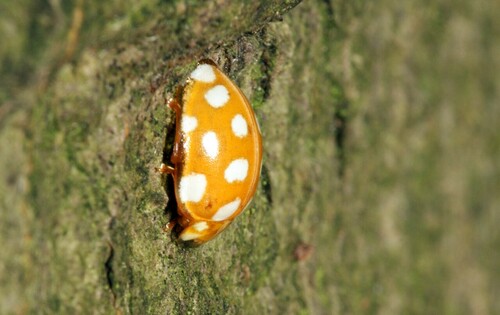
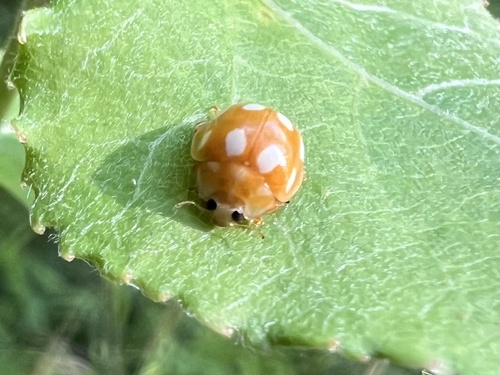
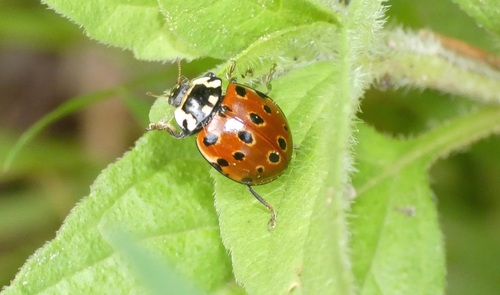
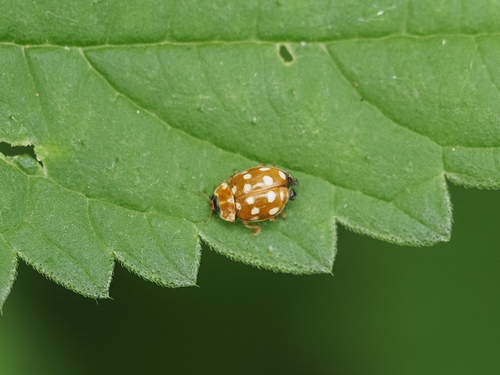
The closest relatives of the Pine Ladybird that you can see in Pyrénées National Park (family Coccinellidae, Lady Beetles) are Seven-Spotted Lady Beetle (about 20%), Asian Lady Beetle (about 20%) and Orange Ladybird (about 10%), with each one's daily chance of a sighting.

Where does the Pine Ladybird sighting chance come from?

GBIF citizen-science records

It is estimated from how often the Pine Ladybird is recorded against all the insects logged in Pyrénées National Park (9 verified sightings from 2019 to 2026), calibrated against known sighting rates. Figures are rounded to the nearest 10% because citizen-science data supports honest approximations, not decimals, and months with records from fewer than five people show "—". How it works.

← Back to Pyrénées National Park