The White-Point

The White-Point

Mythimna albipuncta

Daily sighting probability ~10% · With luck
at Pyrénées National Park

In 3 days ~20% in a week ~40%

28 Verified sightings at Pyrénées National Park From 2019 to 2026
126 In all 6 parks
May Best month
🌅 Crepuscular When it's spotted

About the The White-Point

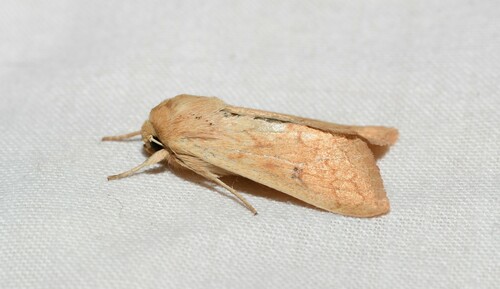
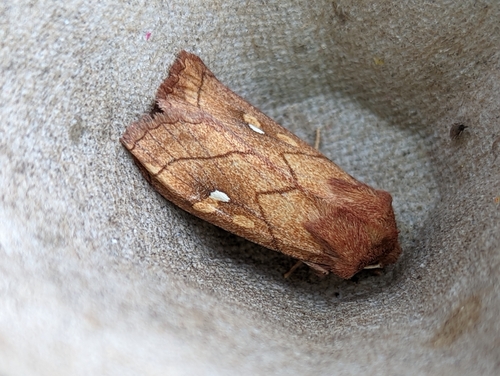
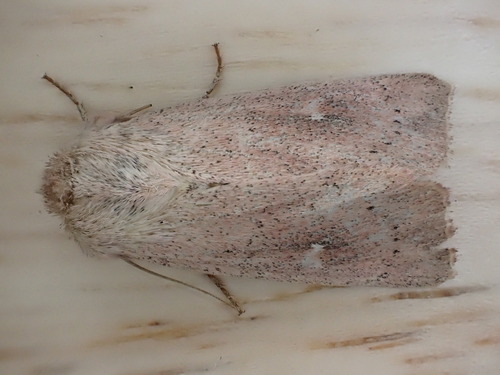
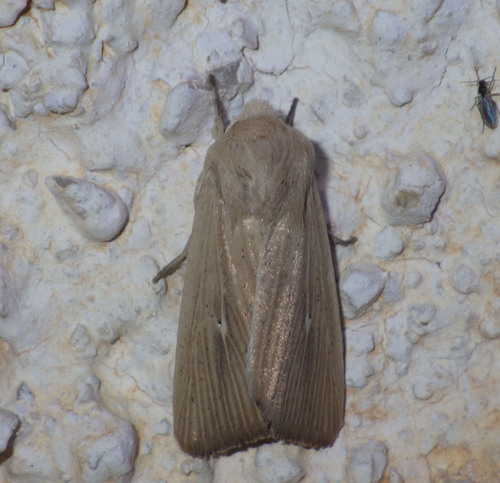
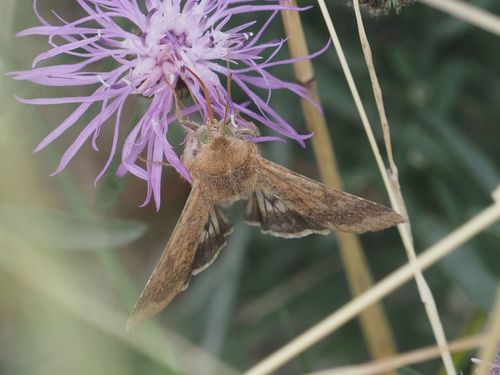
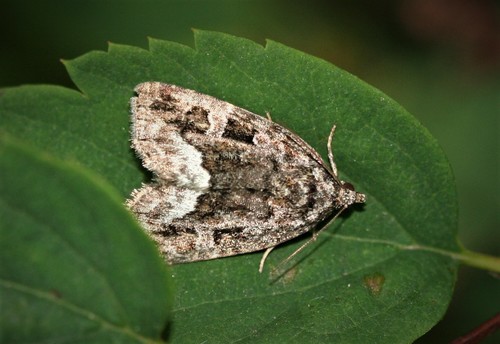
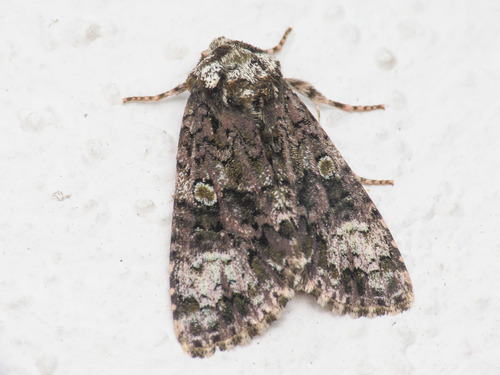
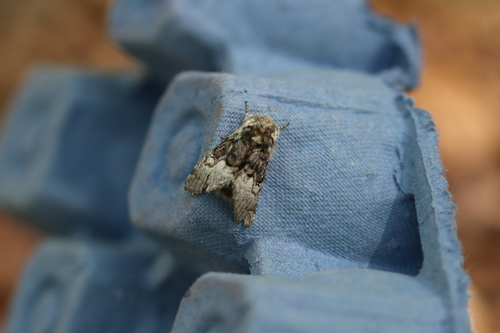
Mythimna albipuncta, the white-point, is a moth of the family Noctuidae. The species was first described by Michael Denis and Ignaz Schiffermüller in 1775. It is distributed throughout Europe and one subspecies is found in Tunisia. It is also found in Asia Minor, Armenia, and Iran, and the northeastern United States.

The moth has a wingspan of 30 to 35 mm. The length of the forewings varies from 14 to 17 mm. Forewing rufous brown, dusted with greyer; costal edge whitish; lines brown, conversely edged with paler; outer line obscurely lunulate-dentate, the teeth not marked by dots on veins; submarginal line pale, diffuse, edged outwardly with darker; reniform stigma forming a distinct white spot at lower end of cell; hindwing dark or pale grey, sometimes tinged with rufous or ochreous; in the form known as italogallica Mill, the wings are darker, dull brown; — flecki Carad.; from Romania and the Bukovina, is rather smaller, the forewing dull grey brown, the hindwing fuscous: - in fasciata Spul. the darker brown tints are more strongly developed in median area so as to form a kind of fascia; besides the above already named forms there appear to... Wikipedia →

Global Distribution

Parks Where Found

# Park Country Daily sighting probability
1 Aigüestortes National Park 🇪🇸 Spain
~10%
2 Cévennes National Park 🇫🇷 France
~10%
3 Bavarian Forest National Park 🇩🇪 Germany
~10%
4 Pyrénées National Park 🇫🇷 France
~10%
5 Wadden Sea National Park 🇩🇪 Germany
~10%
6 Sierra de Guadarrama National Park 🇪🇸 Spain
<5%

Cities Where Found

# City Country Daily sighting probability
1 Kharkiv 🇺🇦 Ukraine
~10%
2 London 🇬🇧 United Kingdom
~10%
3 Budapest 🇭🇺 Hungary
~10%
4 Sofia 🇧🇬 Bulgaria
~10%
5 Kyiv 🇺🇦 Ukraine
~10%
6 Vienna 🇦🇹 Austria
~10%
7 Prague 🇨🇿 Czechia
~10%
8 Berlin 🇩🇪 Germany
~10%
9 Porto 🇵🇹 Portugal
~10%
10 Copenhagen 🇩🇰 Denmark
<5%

Before you go

What are the chances of seeing a The White-Point in Pyrénées National Park?

With luck

About 10% of wildlife watchers report a The White-Point sighting in Pyrénées National Park on a given day, based on 28 verified sightings from GBIF citizen-science data from 2019 to 2026. It is the 384th most-seen of the 1277 insects we can rate there. Over three days the chance rises to about 20%, and over a week to about 40%, if each day is a fresh chance.

When is the best time to see a The White-Point in Pyrénées National Park?

April–May and July–October

In those months about 10% of wildlife watchers report a The White-Point in Pyrénées National Park on a given day, against under 5% in June and November–March, the lowest months.

What time of day is best to see a The White-Point?

Between 10 pm and 1 am

Across all the parks we cover, that three-hour window holds the most The White-Point sightings with a recorded time, and about 6 in 10 of them come between 6 pm and 6 am: it is most active around dawn and dusk.

Is Pyrénées National Park the best place to see a The White-Point?

Among the best

Of the 6 parks where we can rate The White-Point sightings, Pyrénées National Park ranks 4th at about 10%, level with the leaders once rounded. The best odds are in Aigüestortes National Park (Spain, about 10%), Cévennes National Park (France, about 10%) and Bavarian Forest National Park (Germany, about 10%).

Which relatives of the The White-Point live in Pyrénées National Park?

Same genus: Mythimna

The closest relatives of the The White-Point that you can see in Pyrénées National Park (genus Mythimna) are Armyworm Moth (about 10%), The Delicate (about 10%) and Brown-Line Bright-Eye (about 10%), with each one's daily chance of a sighting.

Where does the The White-Point sighting chance come from?

GBIF citizen-science records

It is estimated from how often the The White-Point is recorded against all the insects logged in Pyrénées National Park (28 verified sightings from 2019 to 2026), calibrated against known sighting rates. Figures are rounded to the nearest 10% because citizen-science data supports honest approximations, not decimals, and months with records from fewer than five people show "—". How it works.

← Back to Pyrénées National Park